Senate Advances $1.66 Trillion Omnibus, Lawmakers Rush Deadline
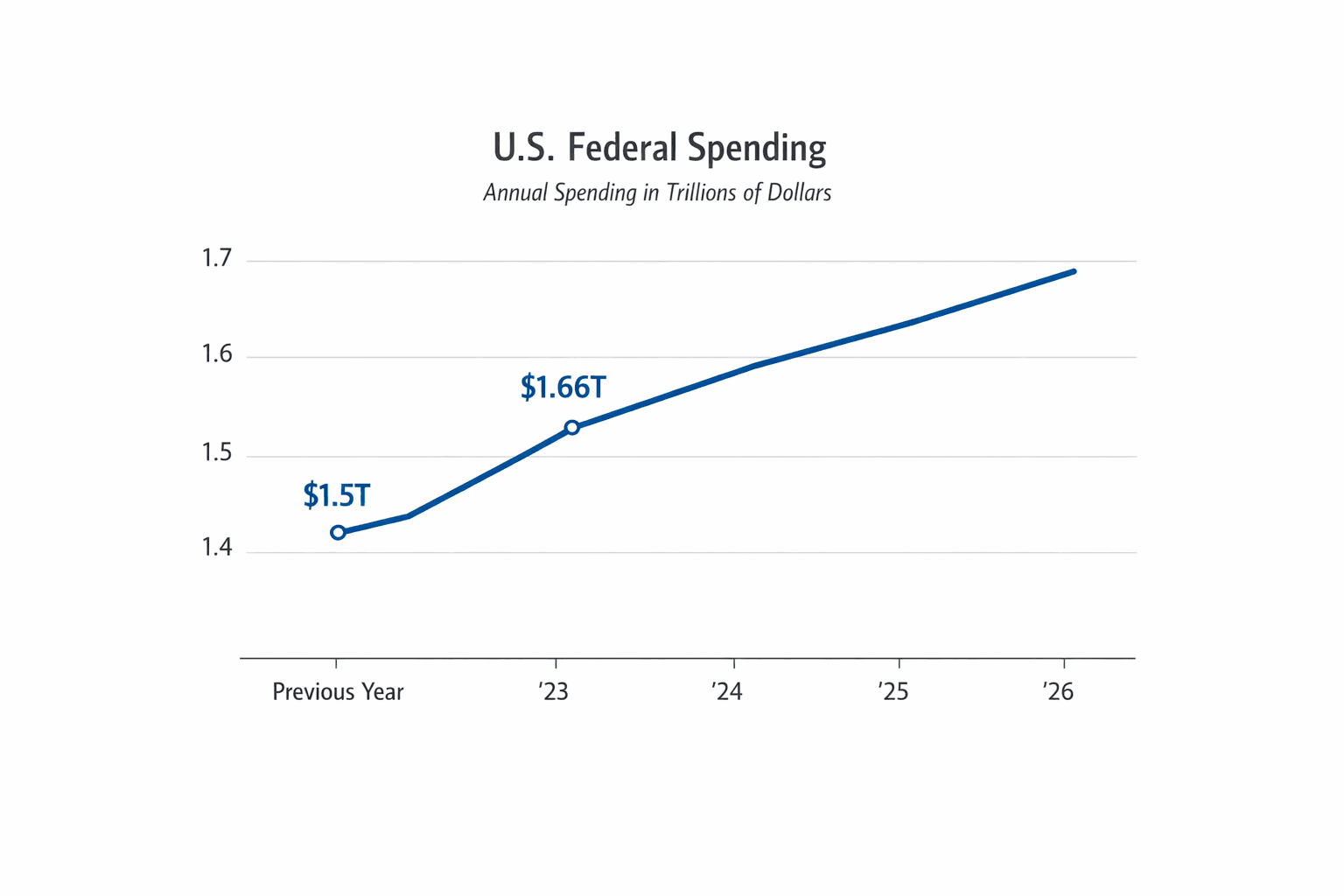
The U.S. Senate moved an approximately $1.66 trillion omnibus government funding package forward on December 27 as members of Congress scrambled to avert a lapse in temporary funding later in the week. The sprawling measure would increase overall federal spending from the prior year, heightening scrutiny of substance and process as lawmakers race toward final approval.
The U.S. Senate advanced an approximately $1.66 trillion omnibus government funding bill on December 27, according to reporting by Reuters, while other reports described lawmakers across Congress working to move the package toward final passage before a temporary funding authorization expires later in the week. The measure is described in reporting as sprawling and would raise overall federal spending compared with the prior year.
The immediate legislative math remains opaque in the public accounts provided. Reports do not include Senate vote tallies, sponsor names, the bill number, or a breakdown of allocations for agencies and programs. They likewise do not specify whether the House has approved the same text or what amendments might remain in play. The compressed timeline is clear in the reporting, and it was this urgency that lawmakers cited as they pushed to advance the package.
The omnibus approach bundles annual appropriations across multiple departments into a single package, a process that has long been a fixture of late year negotiations. That aggregation can facilitate deal making across ideological lines, but it also concentrates consequential choices into a single legislative vehicle and often reduces the opportunity for public scrutiny and standalone floor debate on specific priorities. With reported overall spending higher than the prior year, fiscal hawks and program advocates alike will be watching for how increases are distributed among defense, domestic discretionary programs, and mandatory spending pressures.

Institutionally, the move illustrates how short term funding deadlines compress Congress. As temporary continuing resolutions approach expiration, leadership in both parties frequently pivot to omnibus packages to clear a broad slate of measures at once. That momentum often forces rank and file members to vote on large, complex bills under tight time pressures, raising questions about transparency and constituent oversight. The reporting does not indicate whether the Senate advancement was by cloture, final passage, or another procedural step, leaving open the questions of how much further action is needed in the Senate and what the House timetable will be.
The reported increase in overall spending compared with the prior year also has policy implications beyond the immediate appropriations cycle. It will affect deficit projections, debt service costs, and the allocation of federal resources across competing priorities. Analysts will need the bill text to assess which agencies and programs receive funding boosts, what policy riders if any are attached, and whether the package alters long term fiscal or programmatic commitments.
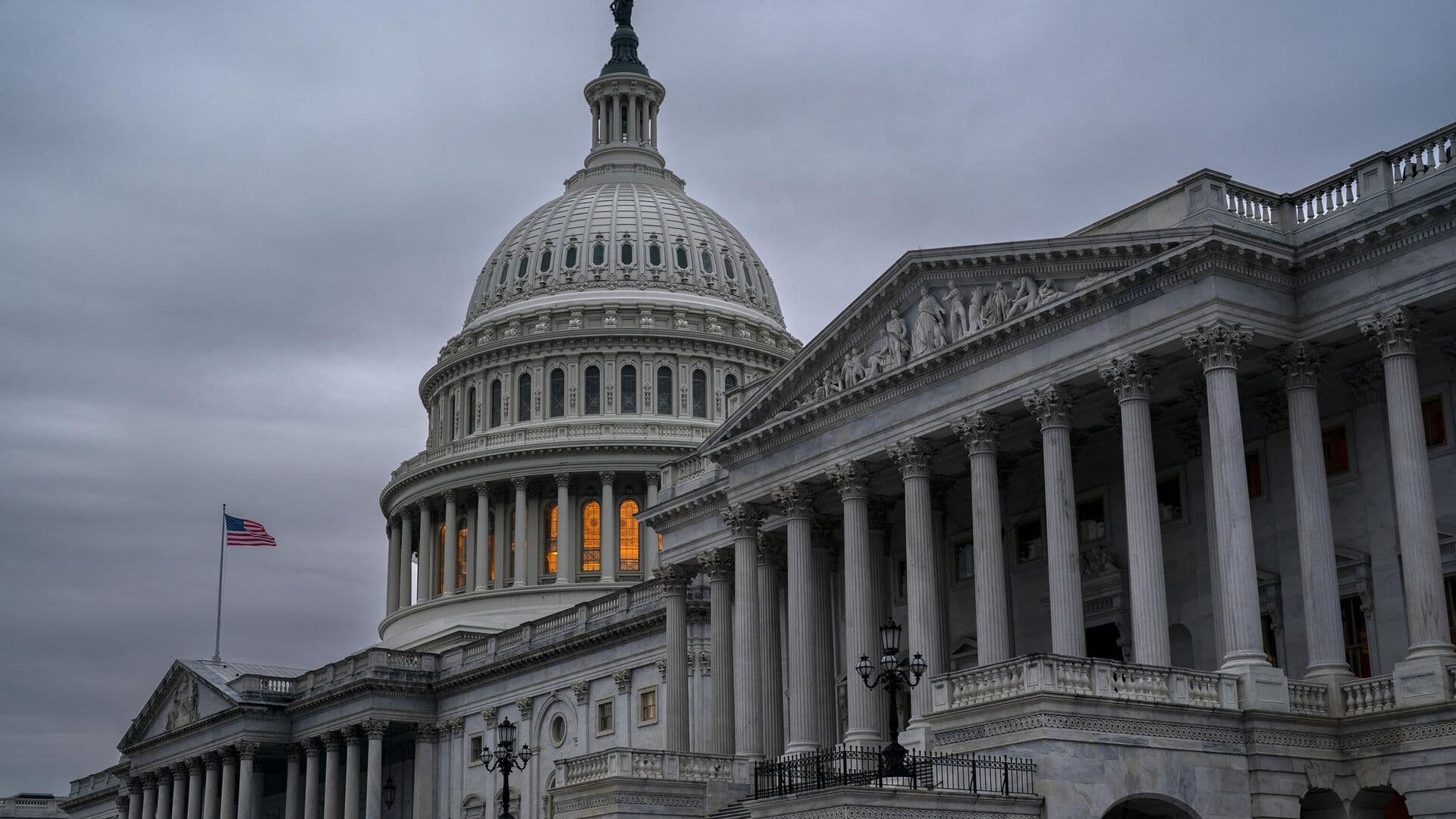
A Reuters photograph accompanying the coverage captured the U.S. Capitol at sunset on Capitol Hill, underscoring the late hour of the legislative calendar. Key follow up items for reporters and the public include the exact procedural steps taken in the Senate, vote counts, any House action, the precise expiration date of the temporary funding, and a detailed accounting of agency and program funding levels. Those confirmations will determine whether Congress delivered a timely funding solution and how the final package reshapes federal priorities for the coming year.
This article was produced by Prism’s automated news system from verified source data, official records, and press releases, then run through automated quality and moderation checks before publishing. The system is built and supervised by the people who set the standards it runs under. Read our full AI policy.
Did this article answer your question?

