Senate Democrats threaten to block DHS funding after Minneapolis deaths
Senate Democrats say they will oppose an appropriations package that includes DHS funding unless DHS and ICE funds are separated, risking a shutdown.
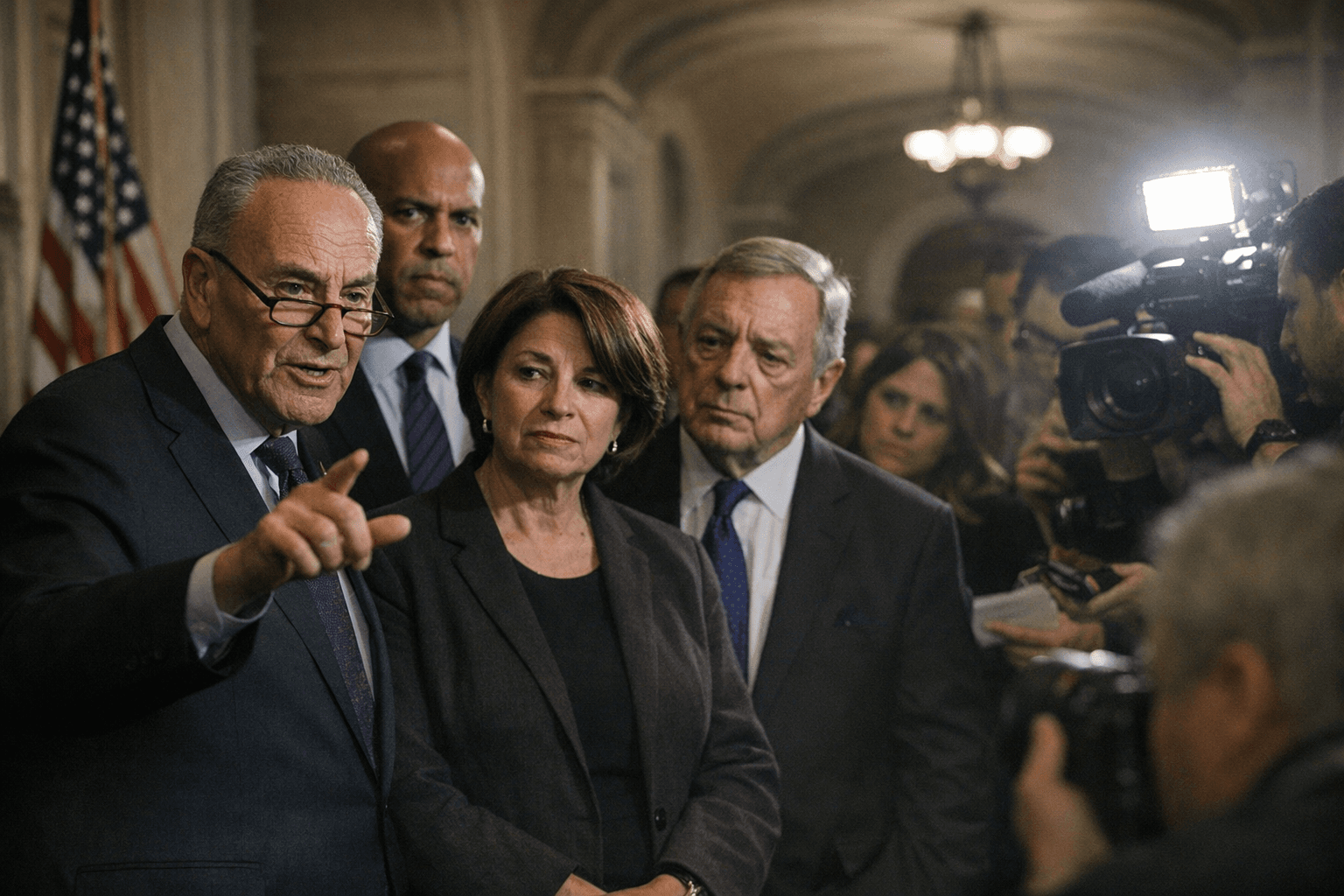
Deadly encounters between federal immigration agents and civilians in Minneapolis have provoked a sharp reaction from Senate Democrats who say they will block an appropriations package that includes Department of Homeland Security funding unless DHS and Immigration and Customs Enforcement funding are separated for distinct consideration. The move, announced after the incidents on January 27, 2026, escalates a political standoff that could force lawmakers to choose between a short-term funding fix and a potentially disruptive budget fight.
Lawmakers framed the decision as a bid to secure accountability and closer oversight of immigration enforcement after the Minneapolis events. By tying support for the larger appropriations package to the unbundling of DHS funding, the Democratic bloc aims to force targeted debate on ICE operations and Department of Homeland Security policies without jeopardizing other spending priorities that are commonly grouped in omnibus bills.
The tactic is consequential because DHS appropriations are typically folded into must-pass packages. If the Senate cannot clear the consolidated package, Congress will be pushed toward either dismantling the bill to allow separate votes or adopting a continuing resolution to extend current funding levels. Either path would place additional pressure on leaders in both chambers, raise the odds of a partial lapse in federal funding, and complicate operations at agencies responsible for border security, aviation safety, disaster response, and maritime operations.
Beyond immediate budget arithmetic, the showdown underscores broader questions about the use of federal force in domestic immigration enforcement, the mechanisms of oversight, and adherence to legal and human rights obligations. The Minneapolis incidents have prompted calls for independent investigations and have intensified scrutiny from civil society groups and local officials. The congressional maneuvering now folds those concerns into a high-stakes budget process that will test both parties' appetite for compromise.
Senate leaders face a narrow path. Separating DHS or ICE appropriations would create a freestanding vote on contentious policy items such as detention funding, surveillance authorities, and enforcement priorities. Passing a separated measure could prove difficult if rank-and-file senators insist on linking fiscal support to policy reforms. Conversely, maintaining a unified package risks alienating members who demand accountability measures in the wake of the Minneapolis shootings.
Operationally, uncertainty over DHS funding can have ripple effects. FEMA disaster response plans, air travel security operations under TSA, Coast Guard missions, and long-term migration processing all rely on predictable appropriations cycles. Prolonged disagreement may delay procurement, hamper training initiatives, and complicate coordination with state, local, and international partners engaged in migration management and border security.
The standoff also matters for U.S. diplomatic relations. Allies and neighboring governments monitor how Washington balances enforcement with legal safeguards, and protracted domestic turmoil can hinder cooperation on cross-border migration and law enforcement.
As the next steps unfold, congressional negotiators must reconcile competing priorities: legislative oversight and reform demanded by Democrats, and the broader fiscal package favored by other lawmakers seeking stability in federal operations. The outcome will shape not only near-term government funding but also how Congress asserts oversight over a volatile area of domestic and international policy.
This article was produced by Prism’s automated news system from verified source data, official records, and press releases, then run through automated quality and moderation checks before publishing. The system is built and supervised by the people who set the standards it runs under. Read our full AI policy.
Did this article answer your question?

