Senate Faces Narrow Window to Extend Section 702 Surveillance Authority
House Republicans only bought 10 days on Section 702 after a broader renewal collapsed, leaving the Senate racing a looming April 20 expiration.
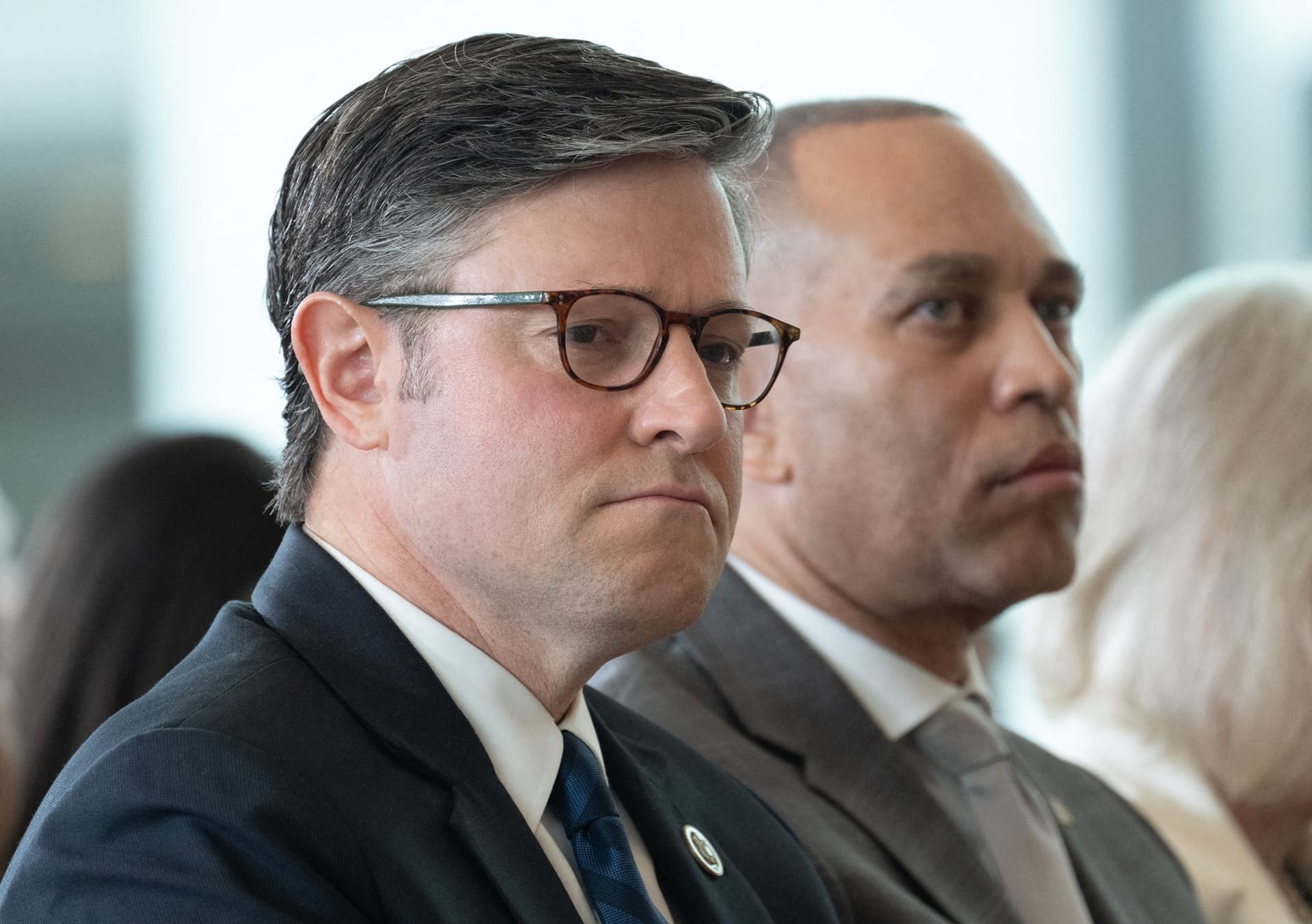
The House’s last-minute, 10-day extension of Section 702 bought time, but it also exposed how badly Congress has split over one of the government’s most powerful surveillance tools. After a larger renewal collapsed in a 197-228 procedural defeat, lawmakers used unanimous consent to push the deadline from April 20 to April 30, and the Senate still had to act before the authority could lapse.
The stopgap came after a proposed five-year deal unraveled and leaders had already been pressing an 18-month clean renewal. Hard-line privacy hawks and some House Intelligence Committee members resisted that approach, forcing House Republicans to fall back to a narrow extension in the early hours Friday. Speaker Mike Johnson said the chamber was “very close” and would work out the remaining wording issues, but the scramble made clear that Congress could agree only on postponement, not on the policy itself.
Section 702 lets U.S. intelligence agencies collect foreigners’ communications abroad without a traditional warrant, but Americans’ communications can be incidentally swept up in the process. That built-in reach has made the statute a recurring civil-liberties flashpoint, even as national-security officials argue it remains essential for counterterrorism, cyber defense and foreign-espionage cases. Congress last reauthorized the law in April 2024 for two years, and lawmakers have spent the past year relitigating how much oversight should attach to the program.
President Donald Trump backed a clean reauthorization, while Senate Judiciary Committee Chairman Chuck Grassley endorsed a clean 18-month extension after the Justice Department agreed to revise congressional attendance procedures for Foreign Intelligence Surveillance Court and Foreign Intelligence Surveillance Court of Review proceedings. That agreement gave renewal a procedural boost in the Senate, but it did not settle the deeper fight over whether investigators should need a warrant before searching Americans’ data collected under Section 702.
Those unresolved questions have shadowed hearings in both chambers, including a House Judiciary Committee hearing on Dec. 11, 2025, and a Senate Judiciary Committee hearing on Jan. 28, 2026. Civil-liberties advocates at the Brennan Center for Justice have warned that the program has been used to access Americans’ communications and has a record of abuses. Intelligence officials and their allies have countered that weakening the authority would handcuff agencies that rely on it to track foreign threats.
If the Senate stalls, the clock runs out on April 20. The House’s 10-day reprieve only underscores the larger problem: lawmakers have kicked the hardest questions down the road, and the next deadline will arrive before the public debate has been resolved.
This article was produced by Prism’s automated news system from verified source data, official records, and press releases, then run through automated quality and moderation checks before publishing. The system is built and supervised by the people who set the standards it runs under. Read our full AI policy.
Did this article answer your question?

