Senate impasse over Trump pick lets spy authority expire
A fight over Bill Pulte’s acting intelligence post helped sink a bipartisan deal, leaving Section 702 to expire for the first time since 2008.
A feud over who should run the nation’s intelligence apparatus helped push a core surveillance authority past its deadline, leaving Congress to confront the consequences of its own stalemate. The dispute centered on Donald Trump’s choice of Bill Pulte, the head of the Federal Housing Finance Agency, as acting director of national intelligence, a move Democrats said they could not ignore while weighing whether to extend Section 702 of the Foreign Intelligence Surveillance Act.
The House of Representatives rejected a short-term extension on June 11, and Section 702 was set to lapse at midnight Friday, June 12, for the first time since Congress enacted it in 2008. The authority allows U.S. intelligence agencies to collect foreigners’ communications and has long been treated by national-security officials as a critical tool. Its expiration also underscored how a personnel fight in the White House can spill directly into national-security legislation, with the Senate unable to bridge the gap in time.
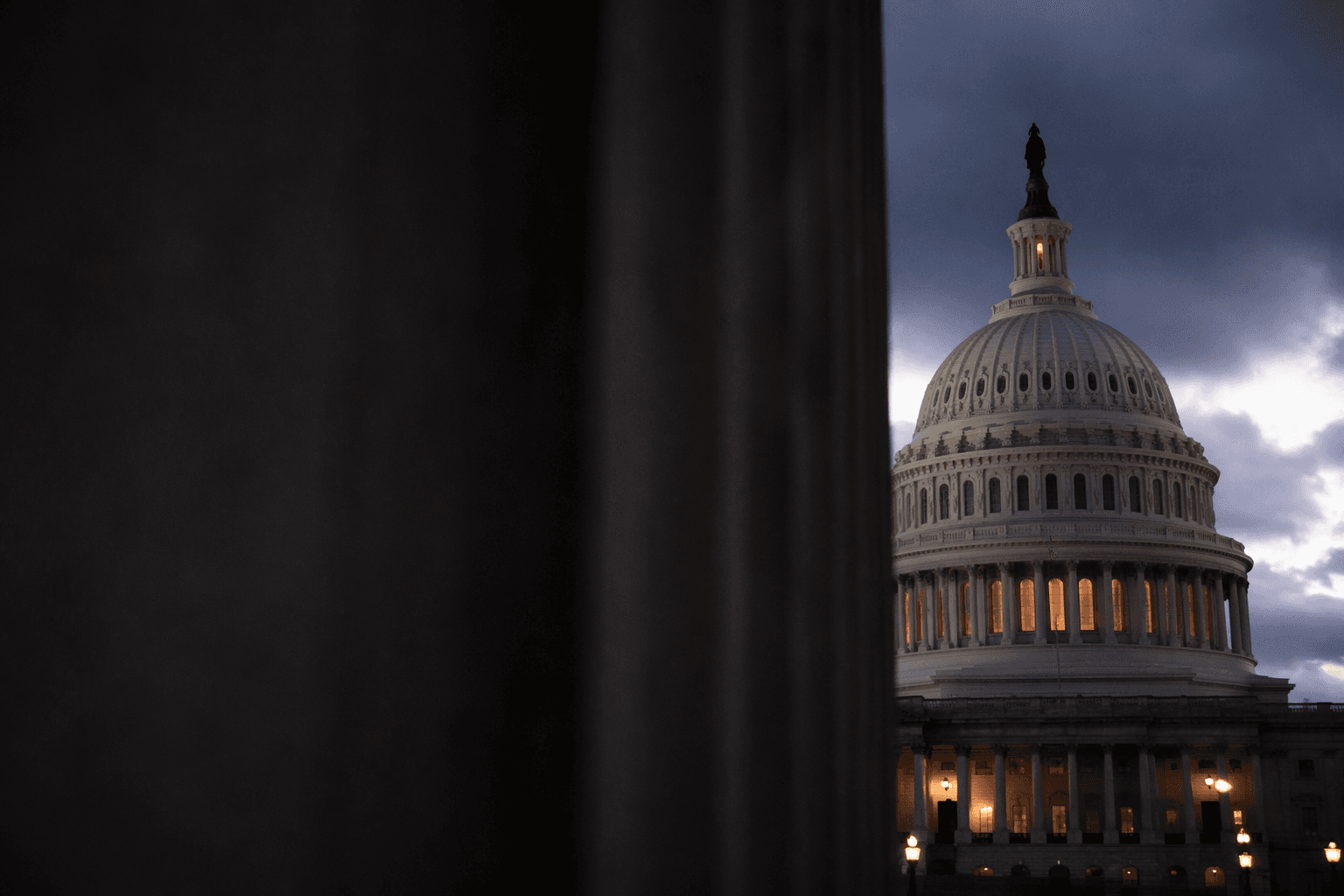
Democrats tied their opposition to Pulte’s acting appointment, arguing that he had no prior national-security experience and had been closely associated with Trump’s efforts to investigate political opponents. That stance helped derail a fragile, bipartisan push to renew Section 702, and it deepened concerns on Capitol Hill about the independence of the intelligence community under the current White House arrangement. In a press release, Mark Warner said the appointment spoke volumes about what Trump expects from the nation’s top intelligence official.
Trump responded to the backlash on June 11 by nominating Jay Clayton, the former Securities and Exchange Commission chair and current U.S. attorney for the Southern District of New York, to serve as permanent director of national intelligence. The Senate Intelligence Committee quickly scheduled Clayton’s confirmation hearing for June 17. Warner, the committee’s top Democrat, said on Sunday that he hoped the Senate could confirm Clayton this week and described him as a capable public servant with the right temperament for the role, while also faulting Trump’s timing because the nomination came after the House vote and too late to save the surveillance deal.
Even with the statute lapsed, some reporting indicated that existing Foreign Intelligence Surveillance Court certifications could keep parts of the program operating for now. But the episode left a sharper warning behind it: when a confirmation fight reaches into the top of the intelligence chain, the damage can extend far beyond personnel and into the mechanics of surveillance, oversight, and accountability.
This article was produced by Prism’s automated news system from verified source data, official records, and press releases, then run through automated quality and moderation checks before publishing. The system is built and supervised by the people who set the standards it runs under. Read our full AI policy.
Know something we missed? Have a correction or additional information?
Submit a Tip