Senate must reject Blanche nomination over Justice Department independence concerns
Donald Trump has nominated his former defense lawyer to lead the Justice Department, intensifying fears that ethics guardrails and recusal rules could give way to loyalty.
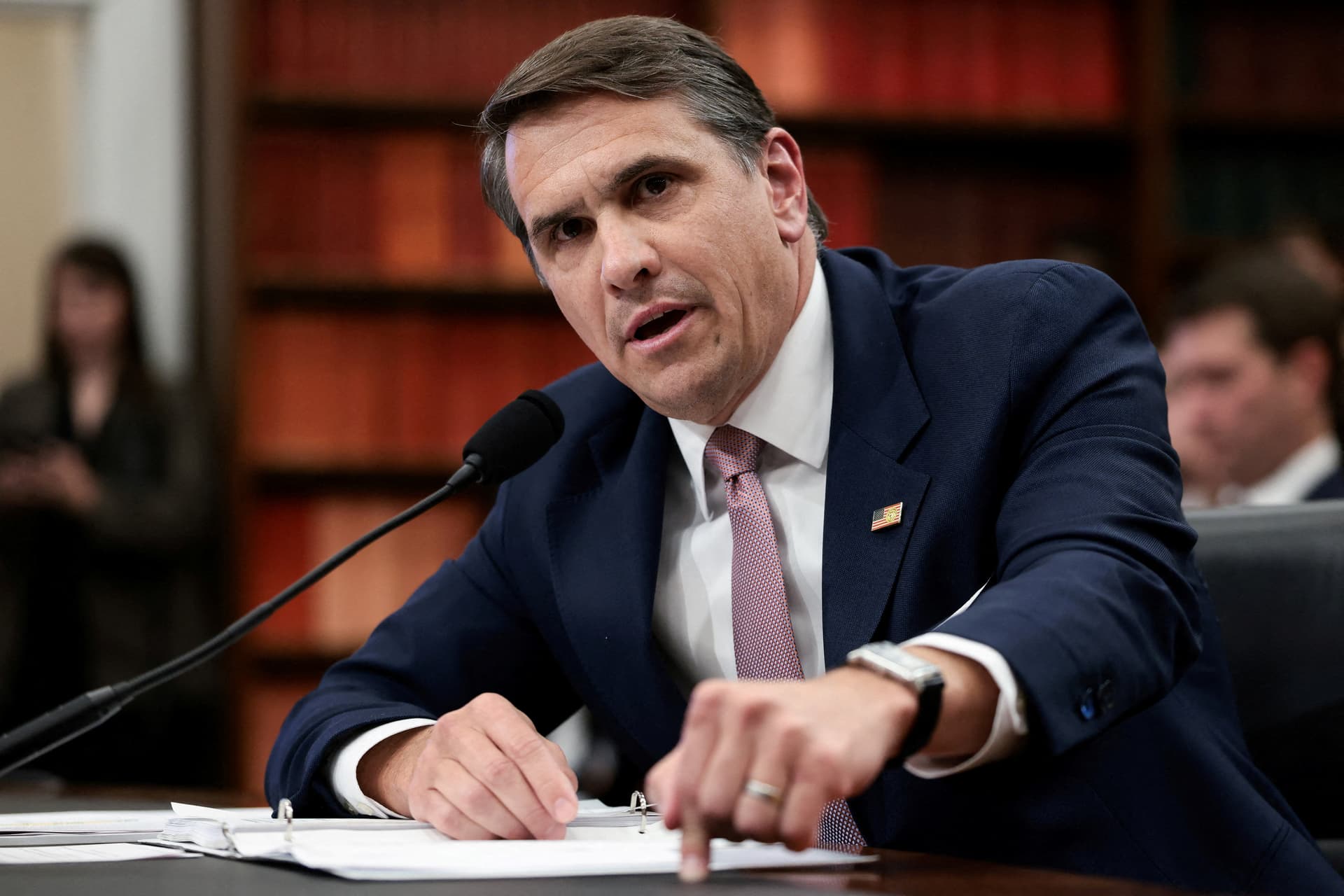
Todd Blanche’s nomination puts the Justice Department’s independence on the line at the exact moment the public needs it most. Trump formally sent Blanche’s name to the Senate on June 8, 2026, elevating a man who already serves as acting attorney general and who once defended Trump as his personal criminal lawyer.
Blanche now oversees more than 100,000 employees across Main Justice, the FBI, the Drug Enforcement Administration, the U.S. Marshals Service, the Bureau of Alcohol, Tobacco, Firearms and Explosives, the Federal Bureau of Prisons and 93 U.S. attorney’s offices. That reach is precisely why the attorney general is supposed to stand apart from presidential loyalty and act for the public interest, not the president’s personal needs.
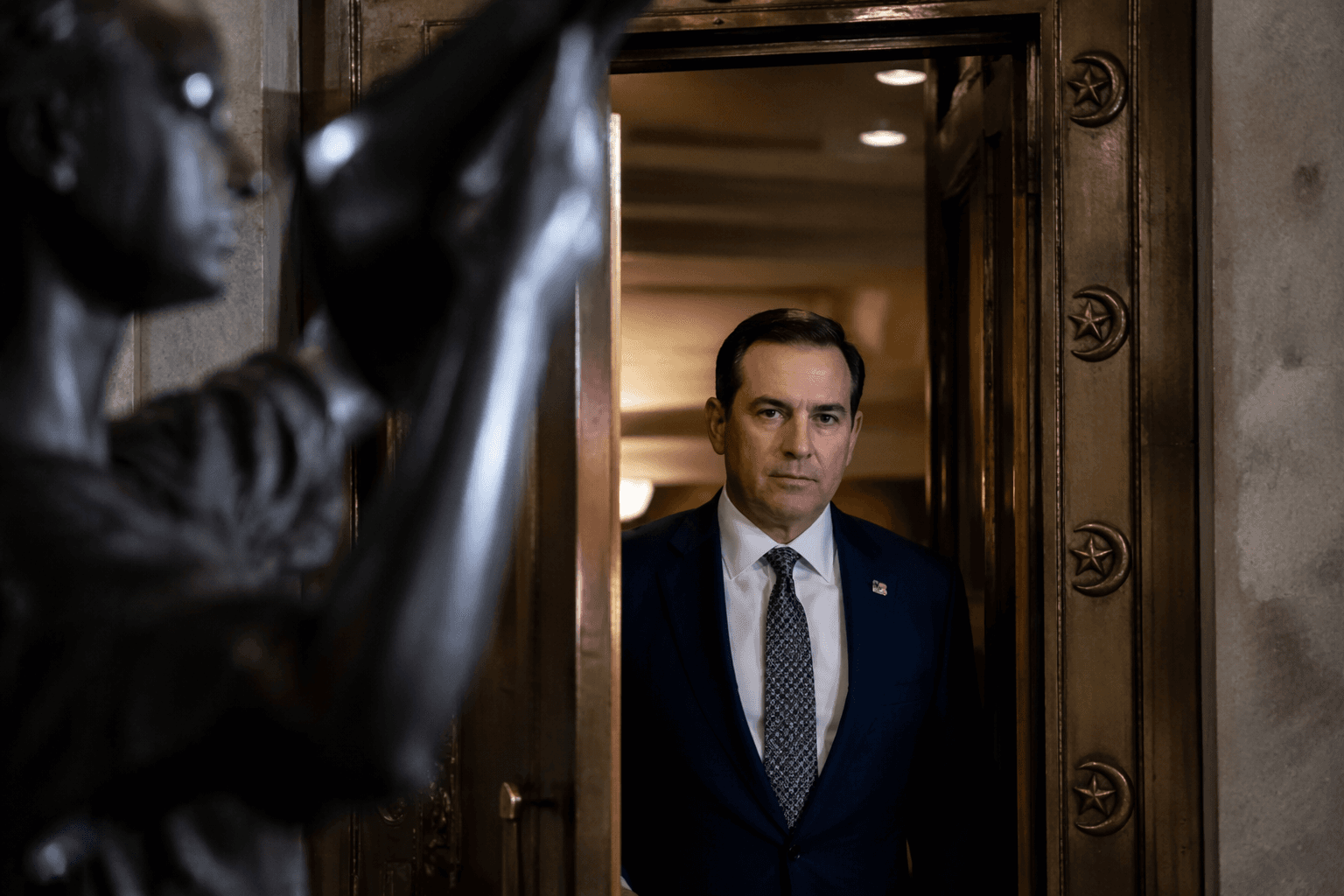
The Senate has already seen Blanche once. It confirmed him as deputy attorney general on March 5, 2025, by a 52-46 vote, with all Democrats voting no. His move from Trump’s defense table to the Justice Department’s top ranks has only sharpened the conflict-of-interest questions around him, especially as Democrats say the department’s ethics rules must mean something in a case involving the president who appointed him.
Sen. Adam Schiff opened an inquiry in May into reports that Justice Department ethics lawyers advised Blanche to recuse himself from matters tied to Trump in his personal capacity. That investigation goes to the heart of the norm critics say Blanche would threaten: that senior law enforcement officials should not decide cases involving a former client, especially one who also happens to be the sitting president. If Blanche ignores that boundary, critics warn, the department risks looking less like an independent institution than an extension of the White House.
The timing adds to the concern. On April 7, Blanche issued a memorandum creating the National Fraud Enforcement Division, and on May 19 he testified before the Senate Appropriations Commerce-Justice-Science Subcommittee on the Justice Department’s FY2027 budget request. Even as he shapes the department’s priorities, the confirmation fight is forcing a larger test of institutional guardrails: whether the Senate will accept a nominee whose career path fuses Trump’s personal defense with control over federal law enforcement.
For Senate Republicans, the question is simple. To confirm Blanche, they would have to defend a nominee whose rise has revived fears that the Justice Department could be used to serve a president personally rather than the country. If they cannot explain why recusal, independence and the department’s duty to the public should still hold, they should reject him.
This article was produced by Prism’s automated news system from verified source data, official records, and press releases, then run through automated quality and moderation checks before publishing. The system is built and supervised by the people who set the standards it runs under. Read our full AI policy.
Know something we missed? Have a correction or additional information?
Submit a Tip