Senate parliamentarian blocks GOP bid to fund White House ballroom security
A parliamentarian ruling cut off a $1 billion Secret Service add-on that Republicans hoped would help pay for security tied to Trump’s White House ballroom project.

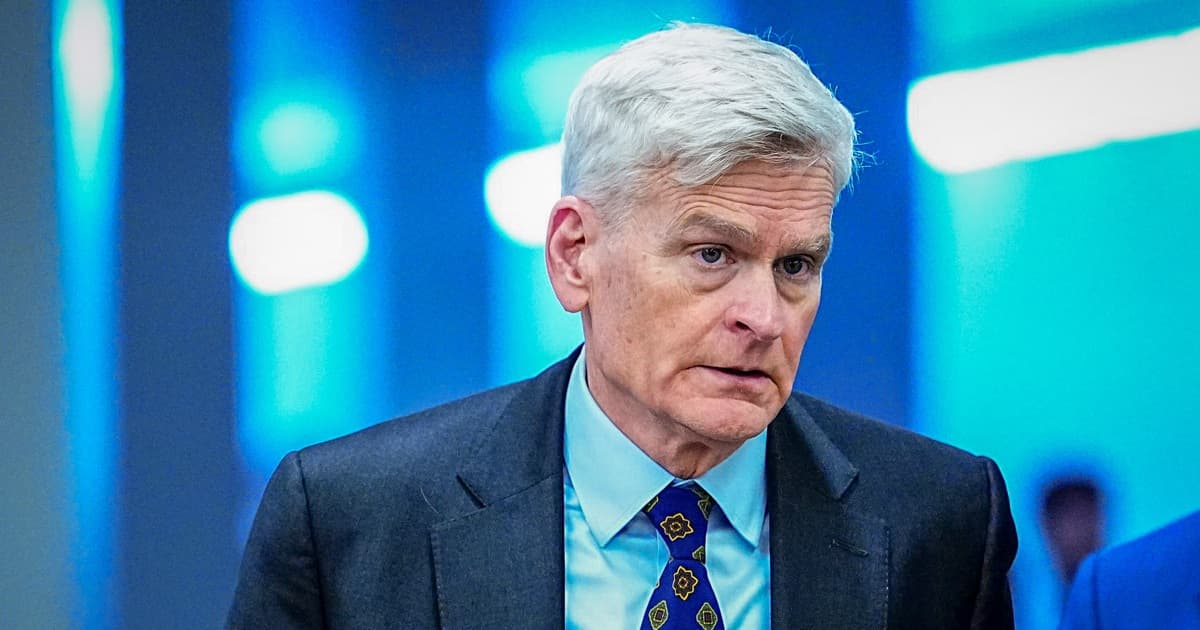
Elizabeth MacDonough dealt a sharp setback to Republicans on Saturday, ruling that a proposed $1 billion Secret Service line item could not be kept in a must-pass immigration enforcement bill as drafted. Democrats said the parliamentarian struck the entire Secret Service provision because it reached beyond the Judiciary Committee’s jurisdiction, blocking money that the administration estimated would send about $220 million toward the White House construction project.
The ruling goes to the heart of the fight over how far the majority can stretch budget reconciliation rules. Republicans had argued the money was meant to strengthen security around the White House, not to finance a new ballroom. The White House said the package would cover a broad set of protections, including hardening, a visitor screening facility, Secret Service training, upgrades for protectees, evolving threats and technology, and events of national significance. But the $220 million tied to the construction project gave Democrats a direct line of attack: taxpayer money, they argued, could indirectly subsidize a politically charged Trump priority.
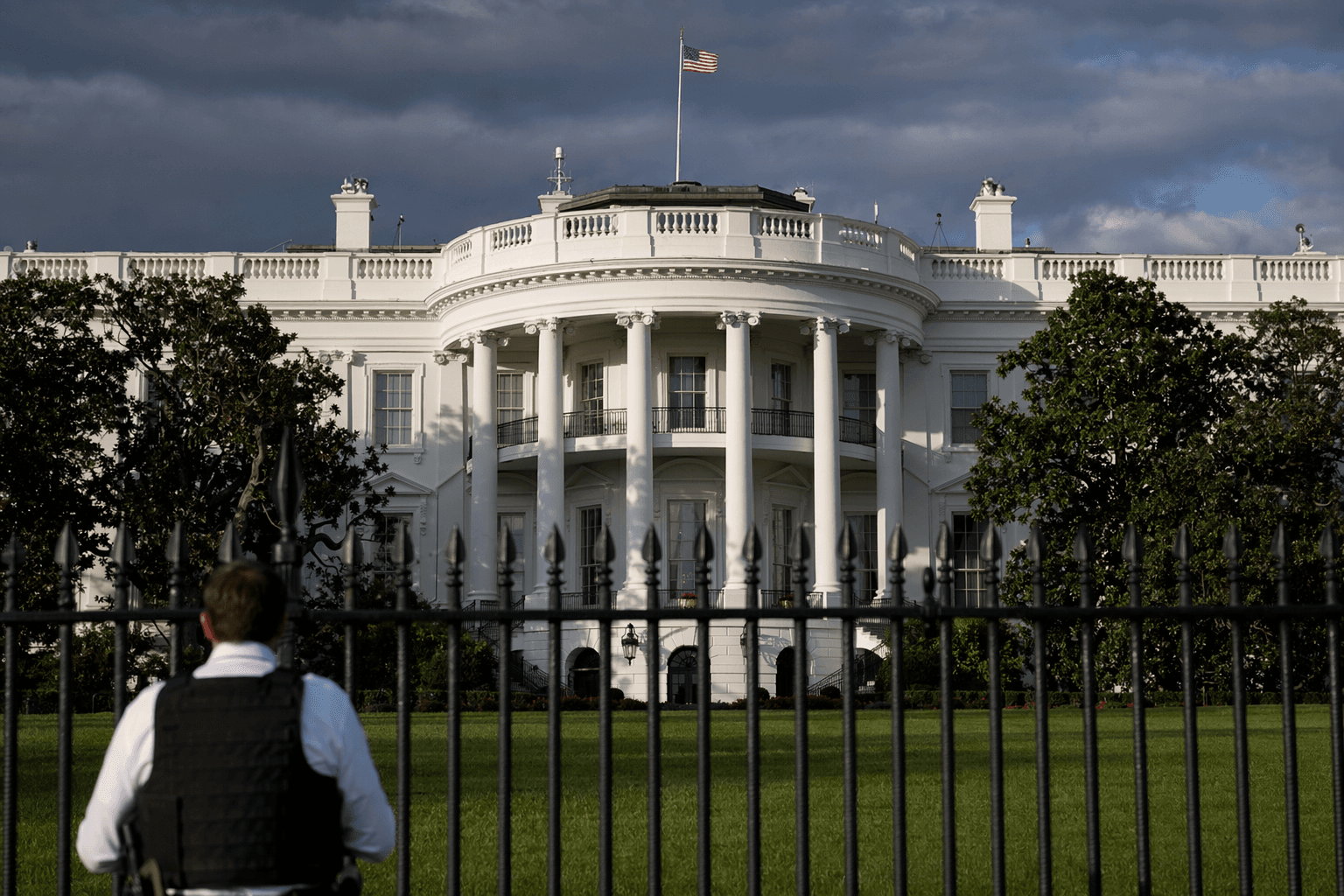
That ballroom has been controversial since the White House announced it on July 31, 2025. At the time, the project was described as privately funded and expected to cost about $200 million. By late March 2026, Donald Trump was still saying the ballroom would not cost taxpayers anything. The White House says the project will be about 90,000 square feet, seat 650 people, replace the East Wing, and be substantially separated from the main White House building. The East Wing itself was built in 1902, with a second story added in 1942.
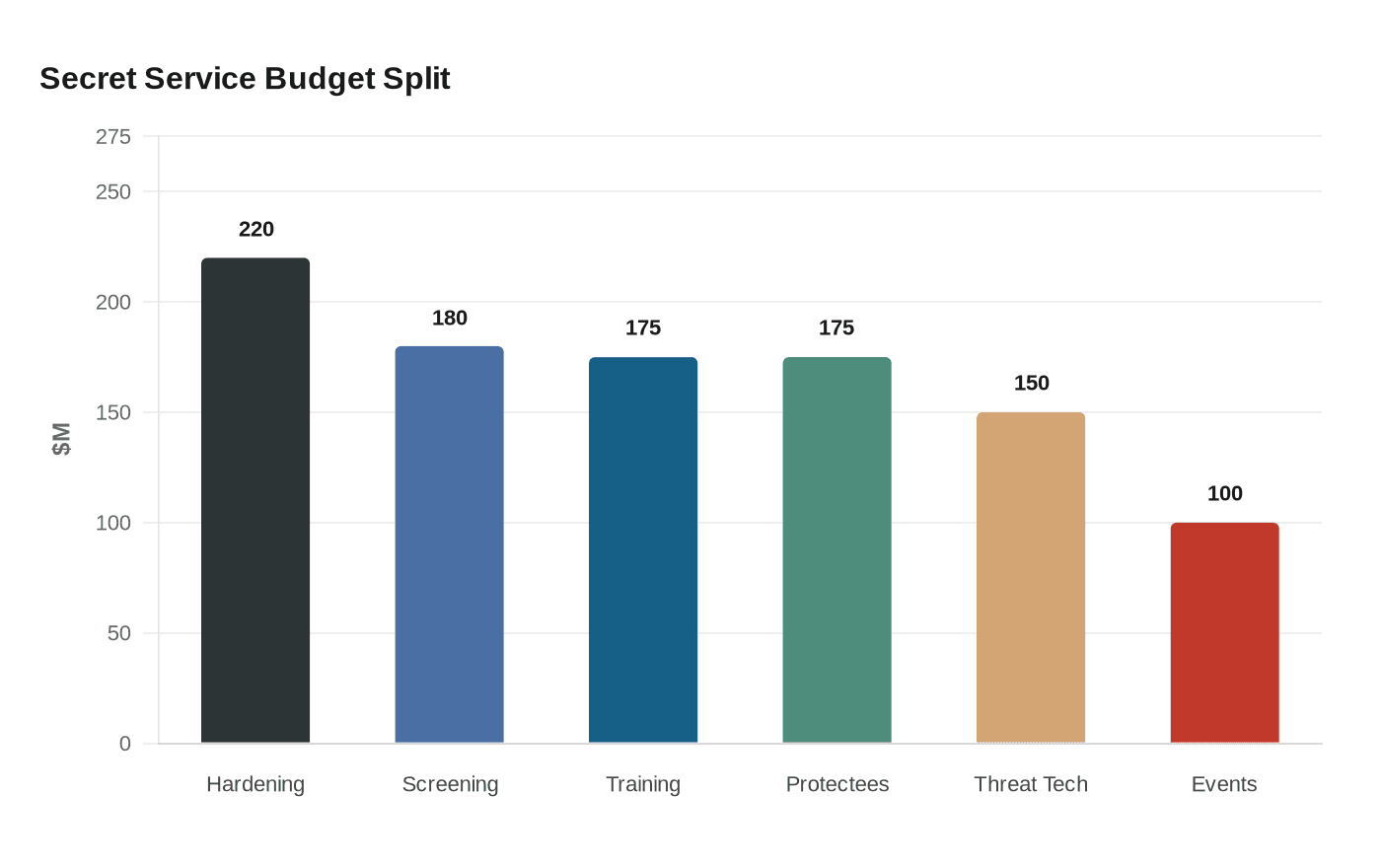
The White House’s own internal breakdown sharpened the political scrutiny. ABC News reported that the $1 billion request included $220 million for White House hardening, $180 million for a visitor screening facility, $175 million for Secret Service training, $175 million for enhancements for Secret Service protectees, $150 million for evolving threats and technology, and $100 million for events of national significance. Senate Republicans were still split after a closed-door Secret Service briefing, with Roger Marshall undecided and John Kennedy saying one of his biggest concerns was adding to the deficit. Jim Justice called the $1 billion price tag “enormous.”
The White House planned to walk Senate Republicans through the request line by line at a Tuesday lunch with Secret Service Director Sean Curran, while GOP leaders said they would redraft and resubmit the language. Jeff Merkley and Chuck Schumer said they would keep fighting the proposal. For now, the episode showed how a little-known Senate ruling can stop a marquee White House priority by enforcing the narrow limits of reconciliation.
Know something we missed? Have a correction or additional information?
Submit a Tip