Senate passes bipartisan housing bill to lower costs and boost supply
The Senate’s 85-5 vote sent a bipartisan housing bill to the House, with the fastest gains likely to come from fewer delays, not instant new supply.
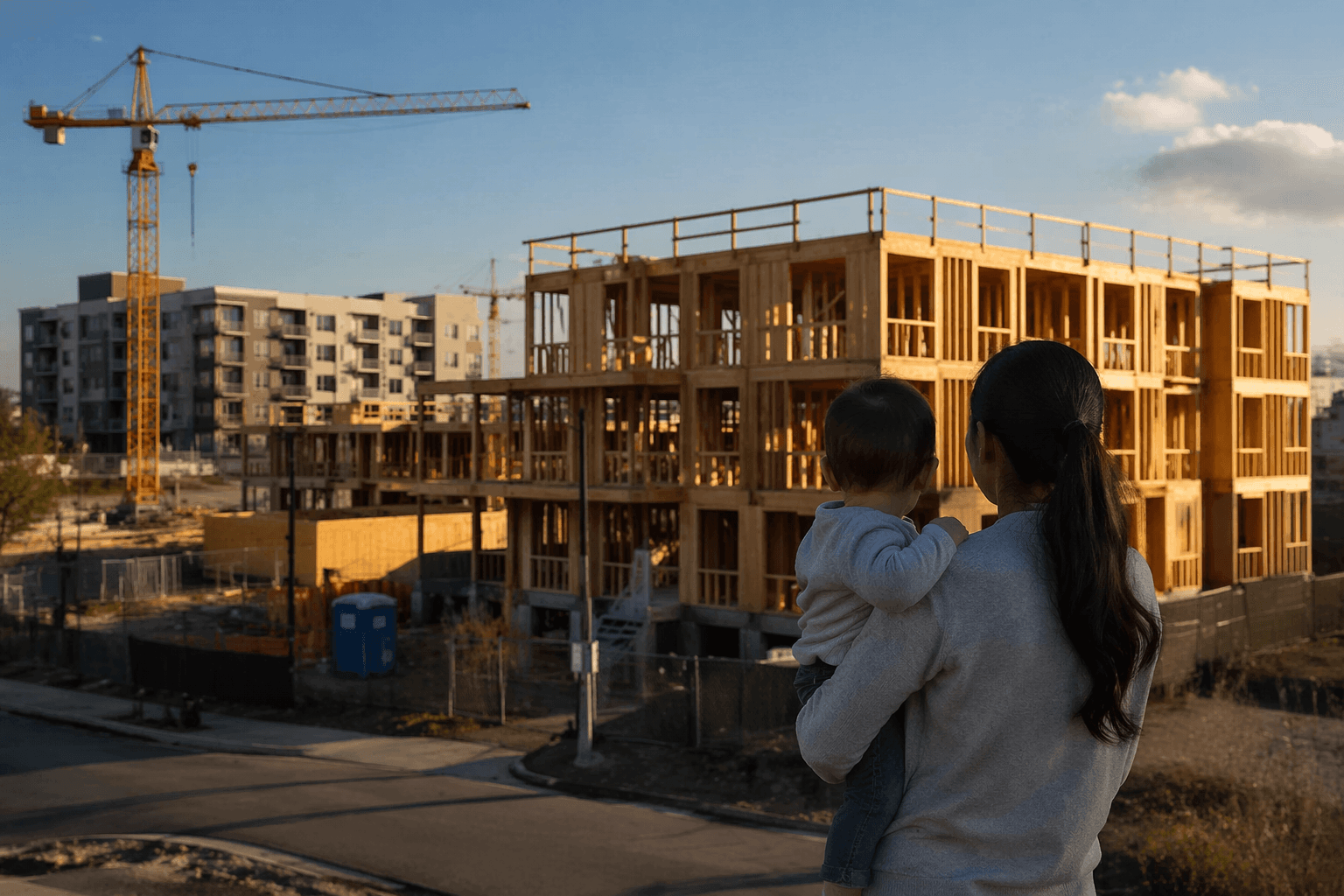
The Senate approved a bipartisan housing bill by an 85-5 vote, sending it to the House and putting Congress on a fast track to deliver the first major federal housing push in about a decade. The measure is meant to lower costs by increasing supply, and the immediate question for renters, buyers and builders is how much faster it can move homes from plan to market.
The bill’s strongest practical effects are likely to come from the parts that clear bottlenecks already slowing construction. It reduces federal red tape, expands local flexibility and revises housing programs to make financing more available for affordable housing, including affordable single-family homes. It also targets HUD inspection delays, appraisal workforce shortages and zoning-related barriers that can stall projects long before a buyer ever sees a new listing.
That matters because the bill is aimed at supply, not subsidies alone. Supporters say it is designed to unlock private investment and increase the number of homes available without spending taxpayer dollars, which is why the legislation has drawn praise as one of the most sweeping housing efforts in recent decades. The pieces most likely to move the market are the ones that cut approval time, reduce paperwork and make it easier for local governments and lenders to move projects forward. The more politically satisfying promises, such as broad calls for local control, will matter only if cities and counties actually change the rules that block new construction.
The underlying bill is H.R. 6644, the Housing for the 21st Century Act. The House Financial Services Committee reported it on January 15, 2026, and the House passed it on February 9, 2026. The Senate substitute folded in many provisions from the ROAD to Housing Act of 2025, giving the package a broader bipartisan footprint and signaling that lawmakers from both parties see the same choke points: too little supply, too much delay and too few homes that ordinary households can afford.
Even so, the timeline for relief will be slow. If the House clears the bill and Donald Trump signs it into law, the first visible changes would likely come in permitting, inspections and financing decisions, not in a sudden drop in rents or sale prices. New housing takes time to build, but the vote showed how much political pressure has built around the cost of shelter heading into the midterm year.
This article was produced by Prism’s automated news system from verified source data, official records, and press releases, then run through automated quality and moderation checks before publishing. The system is built and supervised by the people who set the standards it runs under. Read our full AI policy.
Know something we missed? Have a correction or additional information?
Submit a Tip