Senate Republicans face uncertain agenda after Lindsey Graham’s death
Graham's death stripped Republicans of a committee power broker just as they faced a 52-47 margin, a four-week sprint and a Sept. 30 funding deadline.

Lindsey Graham’s death on Saturday evening left Senate Republicans trying to hold together a narrow 52-47 majority just as they returned to Washington for a compressed four-week work period before recess and the Sept. 30 government funding deadline. Graham, 71, died after a tear in his aorta, and his absence removed one of the chamber’s most central Republican operators from several unfinished fights at once.
Graham chaired the Senate Budget Committee, served as a senior member of the Senate Appropriations Committee, and sat on the Senate Judiciary Committee and the Senate Environment and Public Works Committee. That combination gave him unusual reach over spending, nominations, environmental policy and the broader budget dealmaking now under pressure. His death also came as Republicans were already operating with a tighter working margin because Mitch McConnell remained absent.
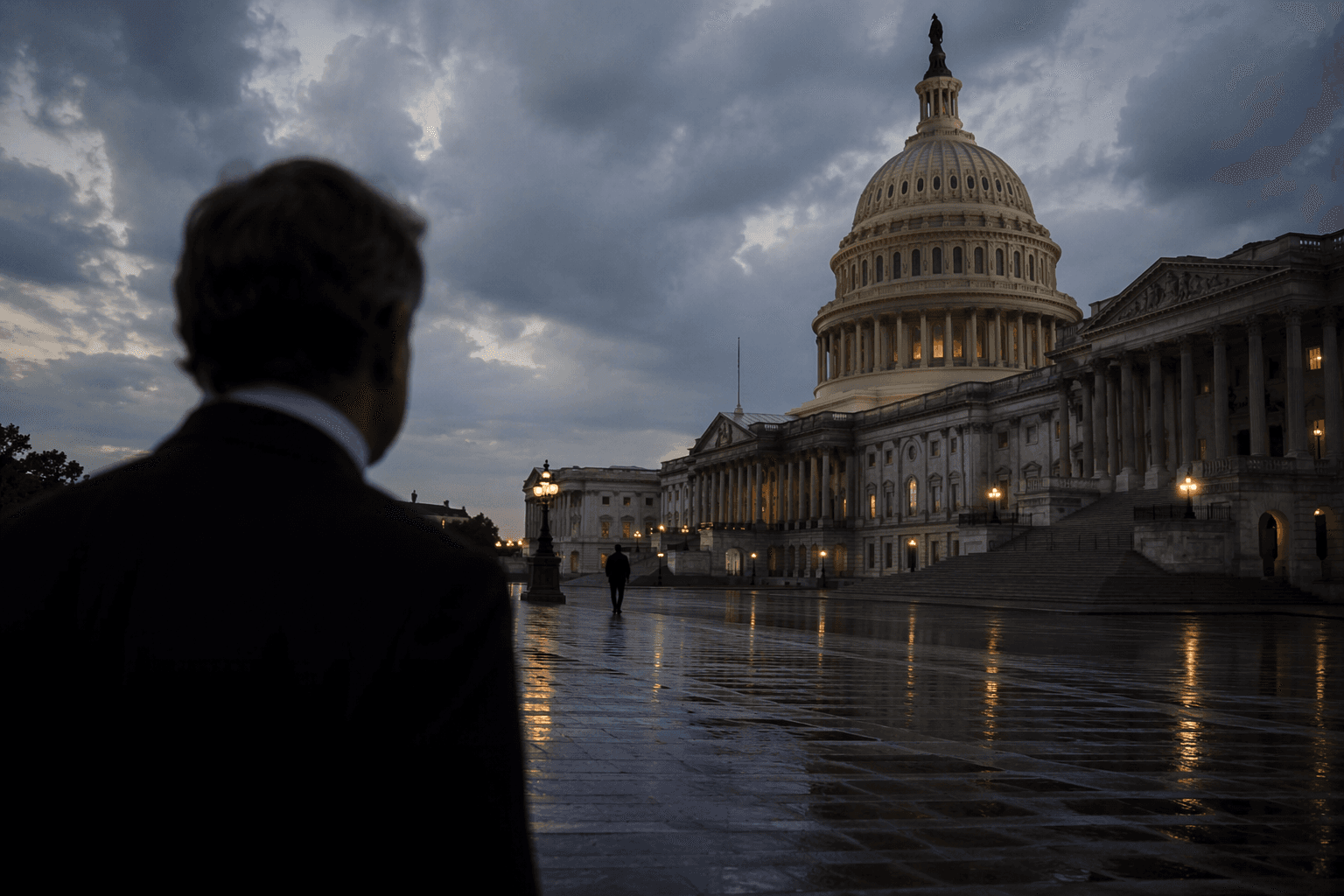
The immediate consequence is procedural as much as political. Senate Republicans now have fewer votes to move legislation, confirm nominees and keep pace with a floor schedule that already includes budget reconciliation, a possible new party-line spending package with a larger defense budget, and the fight to avoid a shutdown before the end-of-September funding deadline. Graham had also been part of the push to confirm acting Attorney General Todd Blanche, advance the SAVE America Act voter-ID and proof-of-citizenship proposal, and revive sanctions legislation aimed at Russia over its war against Ukraine.
His loss lands hard on Republican leadership because Graham had been one of the few senators who could still bridge the White House, Capitol Hill and skeptical GOP colleagues. Donald Trump called him a key intermediary, and Senate Majority Leader John Thune praised him as a trusted adviser whose influence on the federal judiciary, national defense and South Carolina would endure for generations. Graham’s absence weakens the Republican effort to keep a crowded agenda moving while the chamber is short on time and votes.
South Carolina law gives Gov. Henry McMaster the power to appoint a temporary replacement to fill the vacancy, but that senator would serve only until the next applicable election. State law also requires McMaster to order a special election within five days of an appointment if an unexpired term remains. Tim Scott moved quickly on Monday, July 13, introducing a bipartisan resolution to honor Graham’s life and legacy.
Graham had already won the South Carolina Republican Senate primary on June 9, 2026, and was running for reelection in a seat long considered safely Republican. His death still changes the arithmetic in Washington immediately, turning committee clout, floor timing and vote counting into a harder job for a party already trying to carry too much before August recess.
This article was produced by Prism’s automated news system from verified source data, official records, and press releases, then run through automated quality and moderation checks before publishing. The system is built and supervised by the people who set the standards it runs under. Read our full AI policy.
Did this article answer your question?