Senate Votes to Reopen Minnesota Mining, Sending Bill to Trump
The Senate’s 50-49 vote wiped out Biden’s 20-year mining block near the Boundary Waters, reviving Twin Metals and testing the limits of federal land protections.
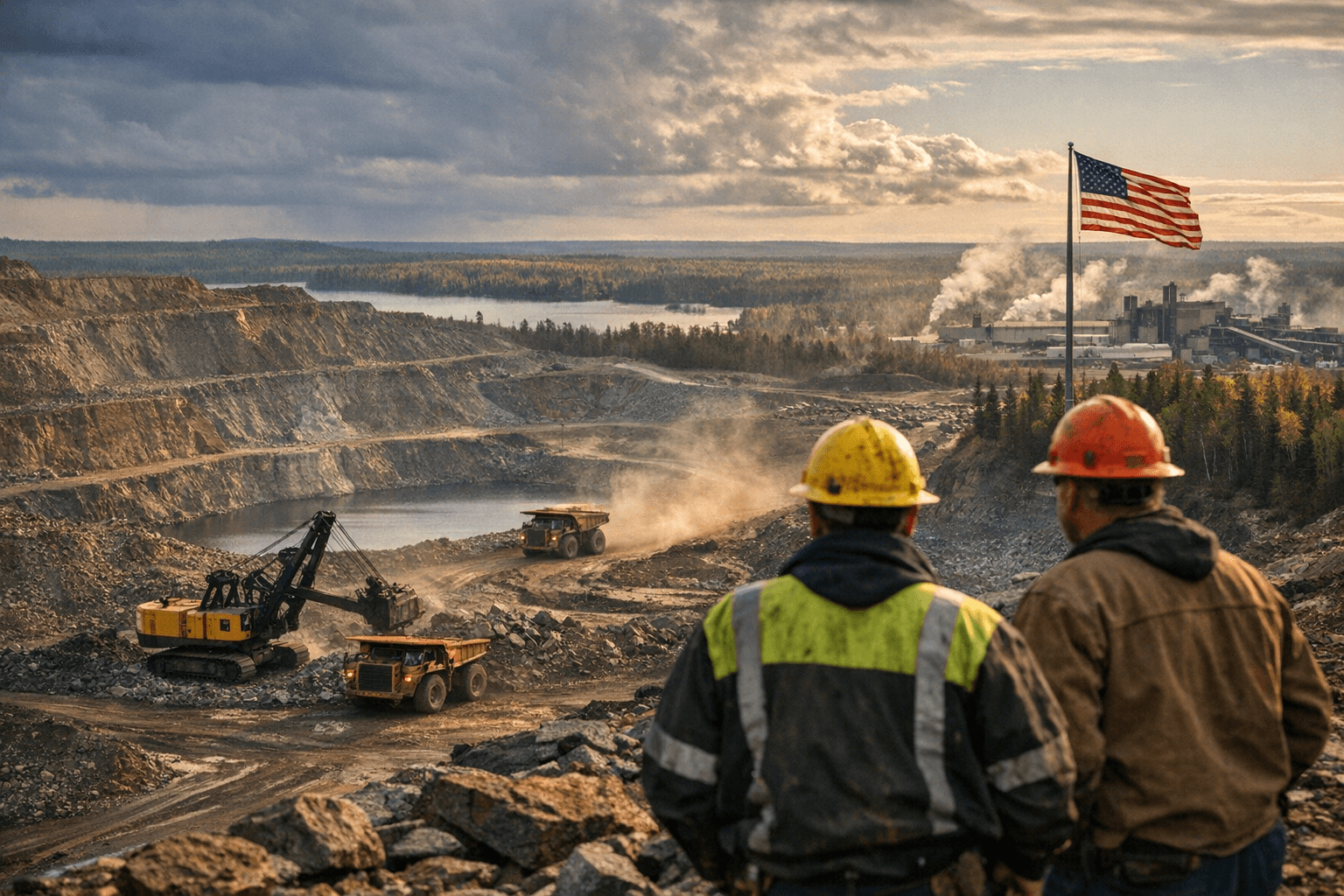
A 50-49 Senate vote reopened one of the country’s most contentious mining fights, clearing the way for President Donald Trump to sign a bill that would overturn Joe Biden’s 20-year ban on mining across 225,504 acres in northern Minnesota. The decision revives the Twin Metals Minnesota copper-nickel project near Ely and puts the future of federal land protections under a sharper spotlight.
The withdrawal, Public Land Order 7917, had covered National Forest System lands in Cook, Lake and Saint Louis counties inside the Superior National Forest. The Biden administration said the order was meant to protect the Boundary Waters watershed, fish and wildlife, Tribal and treaty rights, and a recreation economy it described as worth nearly $100 million a year. The area includes the Boundary Waters Canoe Area Wilderness and the Lake Superior Chippewa 1854 Ceded Territory.
Supporters of the reversal say the minerals tied to the Twin Metals proposal, including copper, cobalt and nickel, are central to electric vehicles, AI data centers, weapons systems and other pieces of the electrified economy. Backers in northeastern Minnesota have also argued that reopening the project could bring jobs and investment to the Iron Range, where mining remains a defining political and economic issue.
Opponents warn that the move gambles with a fragile watershed that is unusually rich in water and deeply tied to outdoor recreation and tribal resources. The Boundary Waters Canoe Area Wilderness drew about 150,000 visitors in 2024, while the broader region continues to attract hikers and canoeists whose spending supports local businesses. Save the Boundary Waters called the Senate vote a “dark day” for a beloved wilderness area and said the resolution would bar future administrations from using the same safeguard mechanism again.
The House had already passed the reversal resolution in January, and the Senate vote came after an hourslong floor speech by Sen. Tina Smith of Minnesota, who fought the measure. Sen. Thom Tillis of North Carolina and Sen. Susan Collins of Maine voted against it, while Sen. Josh Hawley did not vote. Rep. Pete Stauber, the Minnesota Republican who sponsored the legislation, said Trump told him he intends to sign it and argued the decision could help other stalled mining projects move forward.
That is what makes the Minnesota fight larger than one mine. If Trump signs the bill, the reversal will not just reopen the path for Twin Metals. It will also test whether Congress can use the Congressional Review Act to unwind land withdrawals in a way that future presidents cannot easily repeat, turning a single fight over the Boundary Waters into a template for rolling back similar restrictions elsewhere.
This article was produced by Prism’s automated news system from verified source data, official records, and press releases, then run through automated quality and moderation checks before publishing. The system is built and supervised by the people who set the standards it runs under. Read our full AI policy.
Did this article answer your question?

