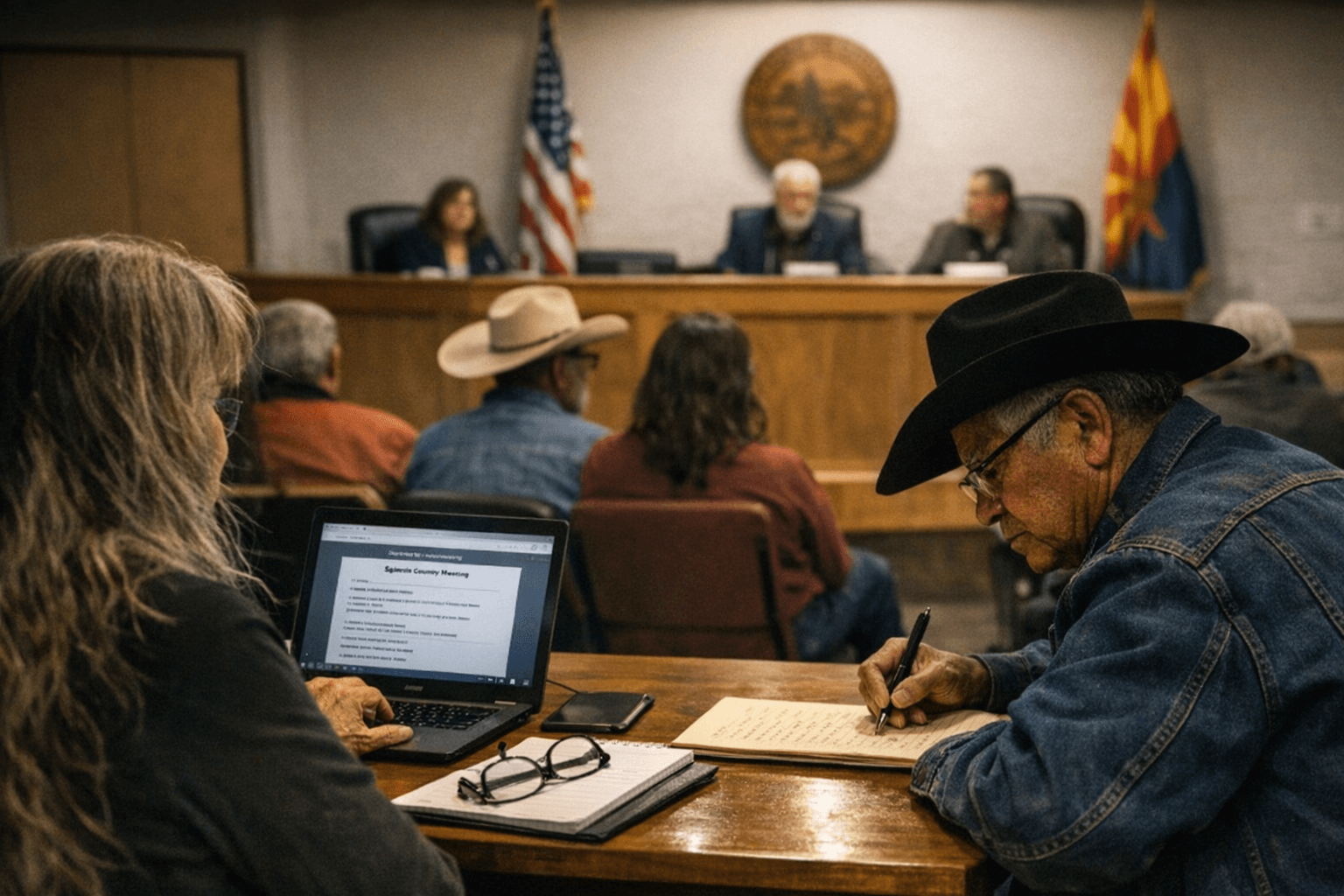
Senator Shannon Pinto Warns Federal Immigration Raids Cause Escalation, Harm to Bystanders
Senator Shannon Pinto warned federal immigration raids escalated violence and harmed bystanders, raising safety concerns for Apache County and Navajo Nation residents.

Senator Shannon Pinto said federal immigration enforcement operations carried out on Feb. 12, 2026, produced dangerous conditions that escalated confrontations and inflicted collateral harm on bystanders in communities that include parts of the Navajo Nation within Apache County. Pinto, whose legislative district covers chapters in and around the reservation, framed the incidents as a public safety problem with cross-jurisdictional and cultural consequences for local families.
Local officials and tribal leaders have long navigated the complex overlap of federal, state and tribal authority. Pinto warned that the recent operations intensified longstanding fears among residents who travel for work, school, health care and family obligations across reservation and county boundaries. In rural stretches of Apache County, where homes and services are separated by long distances, aggressive enforcement can disrupt essential travel and heighten the risk that non-targeted people - elders, children and caregivers - will be caught in dangerous situations.
The events on Feb. 12 underline how enforcement tactics can ripple beyond an intended target, Pinto said, stressing the need for better coordination and training between federal agents and tribal public safety providers. Tribal law enforcement often lacks jurisdiction over federal immigration matters, yet local officers are the first responders when operations turn chaotic. That gap has practical consequences for response time, communication and the safety of bystanders in tight-knit communities.
The incident also raises questions about cultural sensitivity and the historical context that shapes Navajo Nation responses to federal actions. Generations of interaction with federal authorities have left many residents wary of sudden operations that do not account for communal norms, traditional obligations and the realities of thinly served rural infrastructure. Pinto framed the issue as both an immediate safety concern and a matter of respecting tribal sovereignty and local governance.
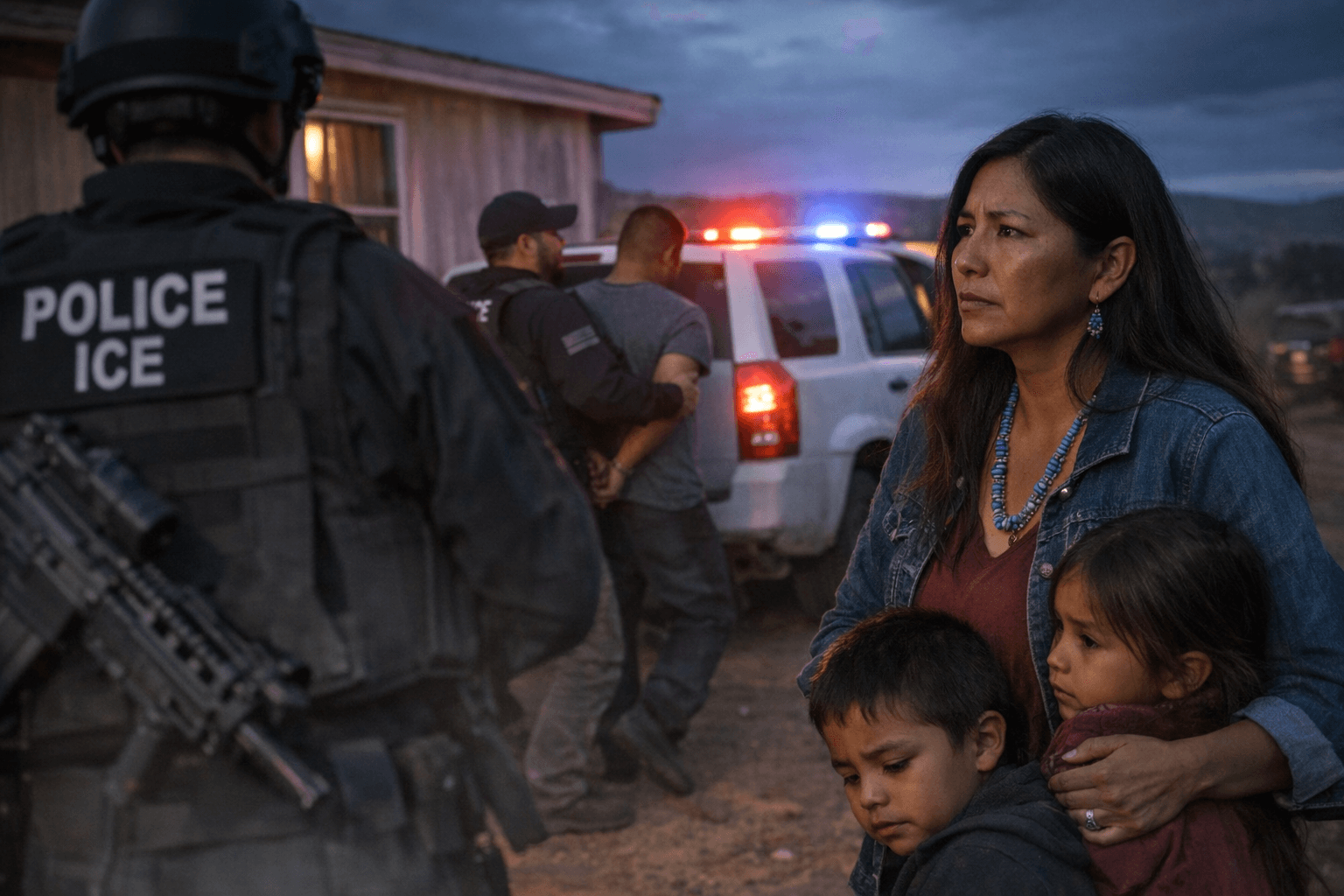
For Apache County residents, the immediate implications include disrupted travel plans, reluctance to seek medical care or cross jurisdictional lines, and increased anxiety about routine trips to schools, markets and family gatherings. Community advocates are urging clearer protocols for notifying tribal authorities and for ensuring that enforcement does not create public safety hazards on county roads or near schools and health centers.
Pinto called for concrete measures to prevent recurrence: improved training for federal personnel on tribal protocols and rural operations, standing agreements to coordinate field activity with tribal leaders, and state-level oversight where appropriate to protect bystanders. How federal agencies respond in the coming days will determine whether tensions ease or whether further oversight measures become necessary.
Residents should monitor local advisories and engage chapter houses and county officials for guidance. The broader test will be whether federal, state and tribal authorities can build the trust and systems needed to carry out lawful enforcement without turning routine routes and daily life into zones of risk for Apache County communities.
Know something we missed? Have a correction or additional information?
Submit a Tip