Senator Wyden Demands Answers From Tanker Firms Over Cartel Fuel Smuggling
Senator Ron Wyden has opened a formal inquiry into whether major oil tanker companies have enabled cartel linked fuel smuggling, seeking detailed vetting records that could expose gaps in maritime oversight. The probe targets firms that dominate global tanker traffic, and its findings could prompt new rules on due diligence and anti money laundering in shipping.
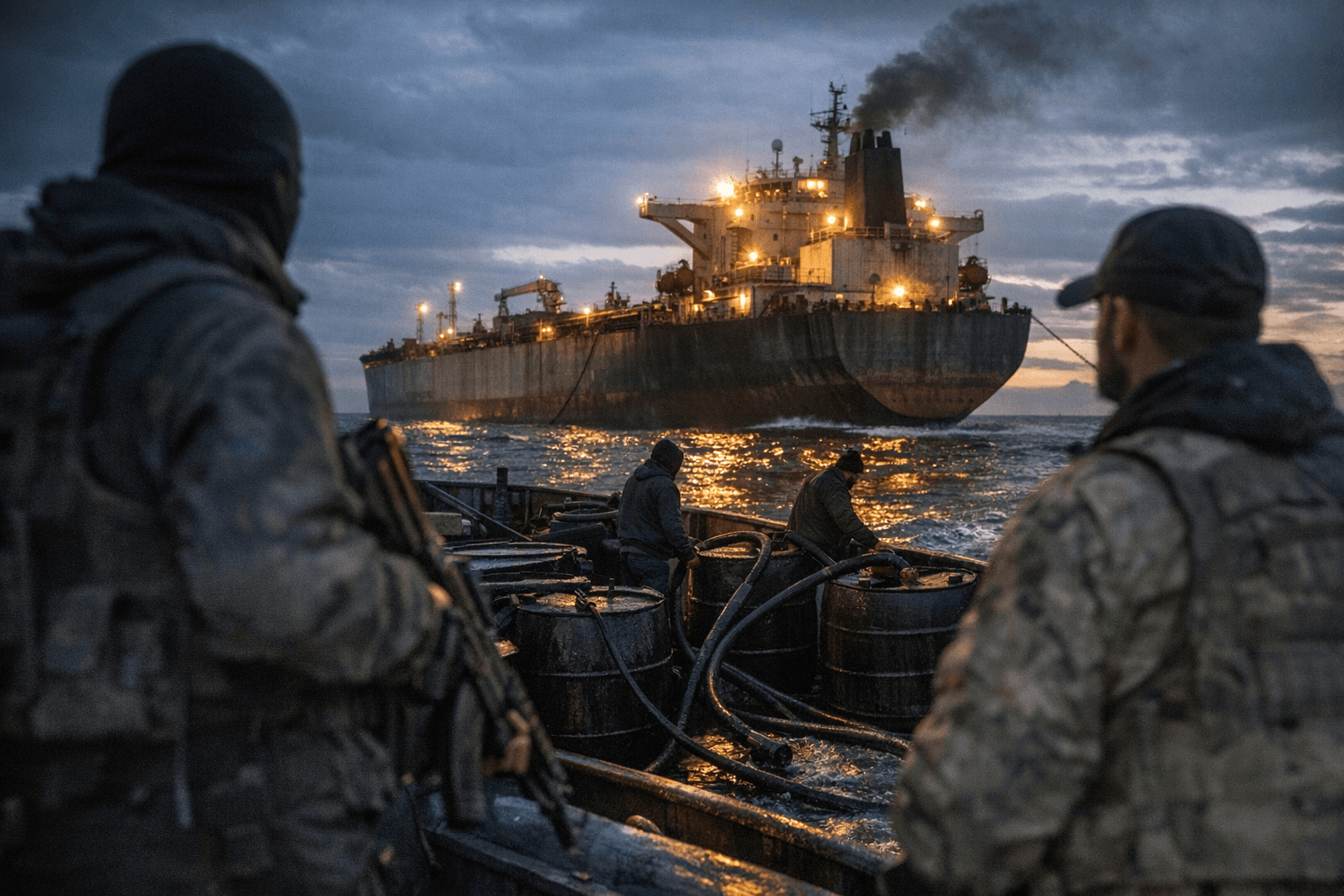
On Dec. 19 Senator Ron Wyden, the ranking Democrat on the Senate Finance Committee, launched a formal inquiry into cartel linked fuel smuggling by sending letters to seven of the largest maritime oil tanker companies asking how they vet cargoes and customers to prevent vessels from carrying illicit hydrocarbons. Copies of the letters and related Senate Finance Committee materials show the senator requested detailed descriptions of due diligence procedures and asked for responses by Jan. 10, 2026.
The companies named in the letters include Torm, International Seaways, Norden, CMB.Tech, Frontline, Teekay and Scorpio. The letters ask each firm to explain in detail the vetting procedures and due diligence they conduct "to ensure their tankers aren’t used to transport illicit hydrocarbons" and in some instances use the phrase "to ensure its oil tankers are not utilized to transport illicit fuel."
Wyden framed the inquiry as an attempt to choke off a lucrative revenue stream for transnational criminal groups. In a post on X he said he was "launching an investigation into the role of shipping companies in cartel backed fuel smuggling. This is a multi billion dollar industry." His written correspondence with the companies reiterates government assessments that stolen crude and bootleg fuel are now a significant source of cartel revenue, noting cartels are "reportedly siphoning billions of dollars’ worth of fuel to bolster their criminal empires." He urged that shipping companies and the U.S. government must "do everything in their power to shut off this revenue stream."
The probe places major commercial actors under scrutiny without alleging criminal conduct. None of the firms named in the letters has been charged with wrongdoing as of the date of the correspondence. The request for internal policies, transaction screening records and records of suspicious activity flagged by crews or commercial counterparts is likely to reveal how industry practices align with existing anti money laundering and maritime safety obligations.
Policy makers and industry analysts say the inquiry could accelerate consideration of tougher oversight for the tanker sector, including clearer obligations for voyage vetting, mandatory reporting to U.S. authorities for suspicious transfers and greater information sharing with Mexican counterparts. The Senate Finance Committee has jurisdiction over trade and financial flows that would be implicated if corporate practices are found to facilitate cross border illicit markets. Possible next steps include follow up subpoenas, referrals to law enforcement agencies and proposals for legislative changes to strengthen maritime due diligence.
The letters include a firm deadline for responses and set an immediate benchmark for transparency. The industry response by Jan. 10 will determine whether the committee pursues compulsory testimony or moves toward statutory remedies. For voters and stakeholders concerned with border security and drug trafficking, the inquiry highlights how commercial supply chains and financial flows intersect with public safety and regulatory policy.
This article was produced by Prism’s automated news system from verified source data, official records, and press releases, then run through automated quality and moderation checks before publishing. The system is built and supervised by the people who set the standards it runs under. Read our full AI policy.
Did this article answer your question?