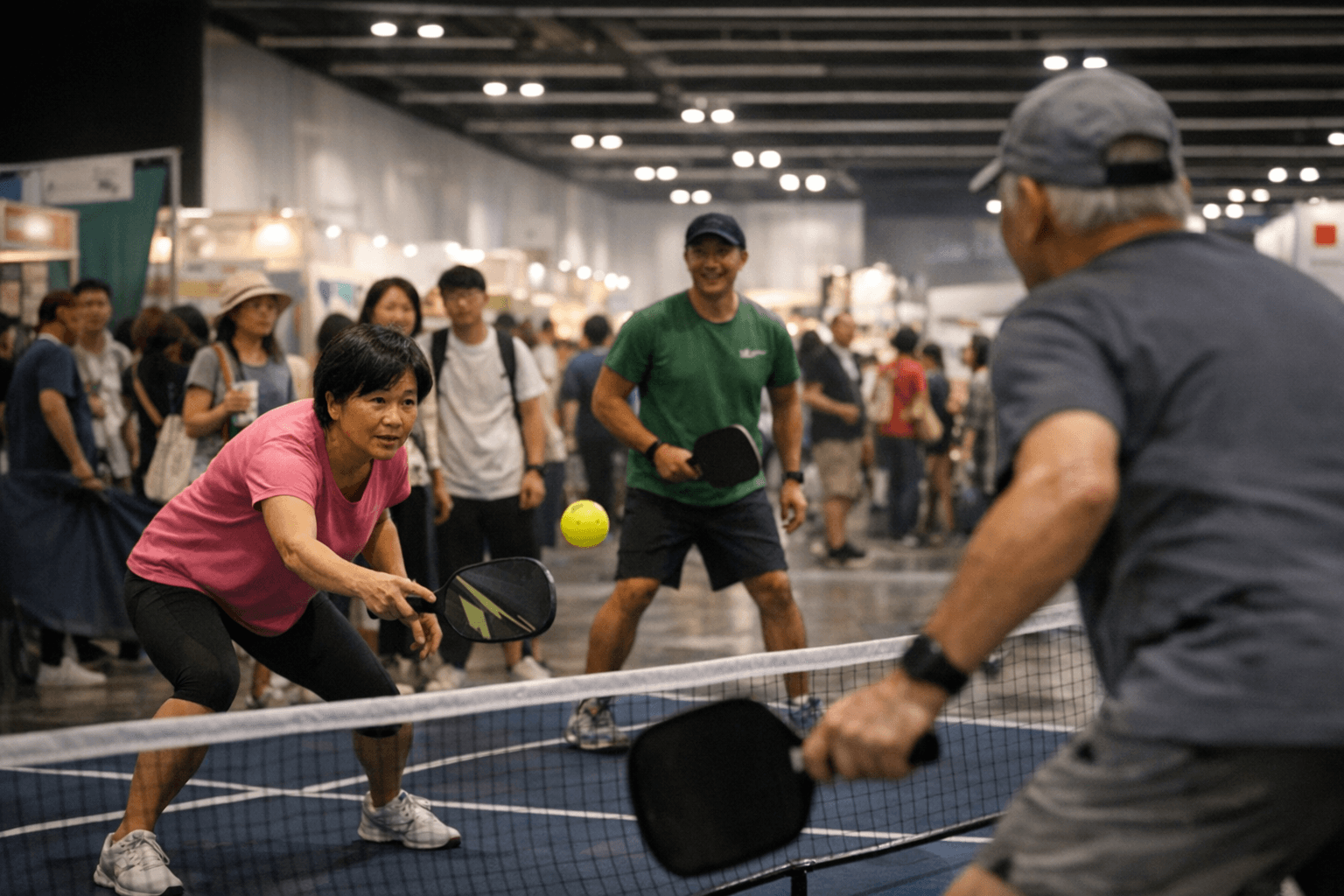
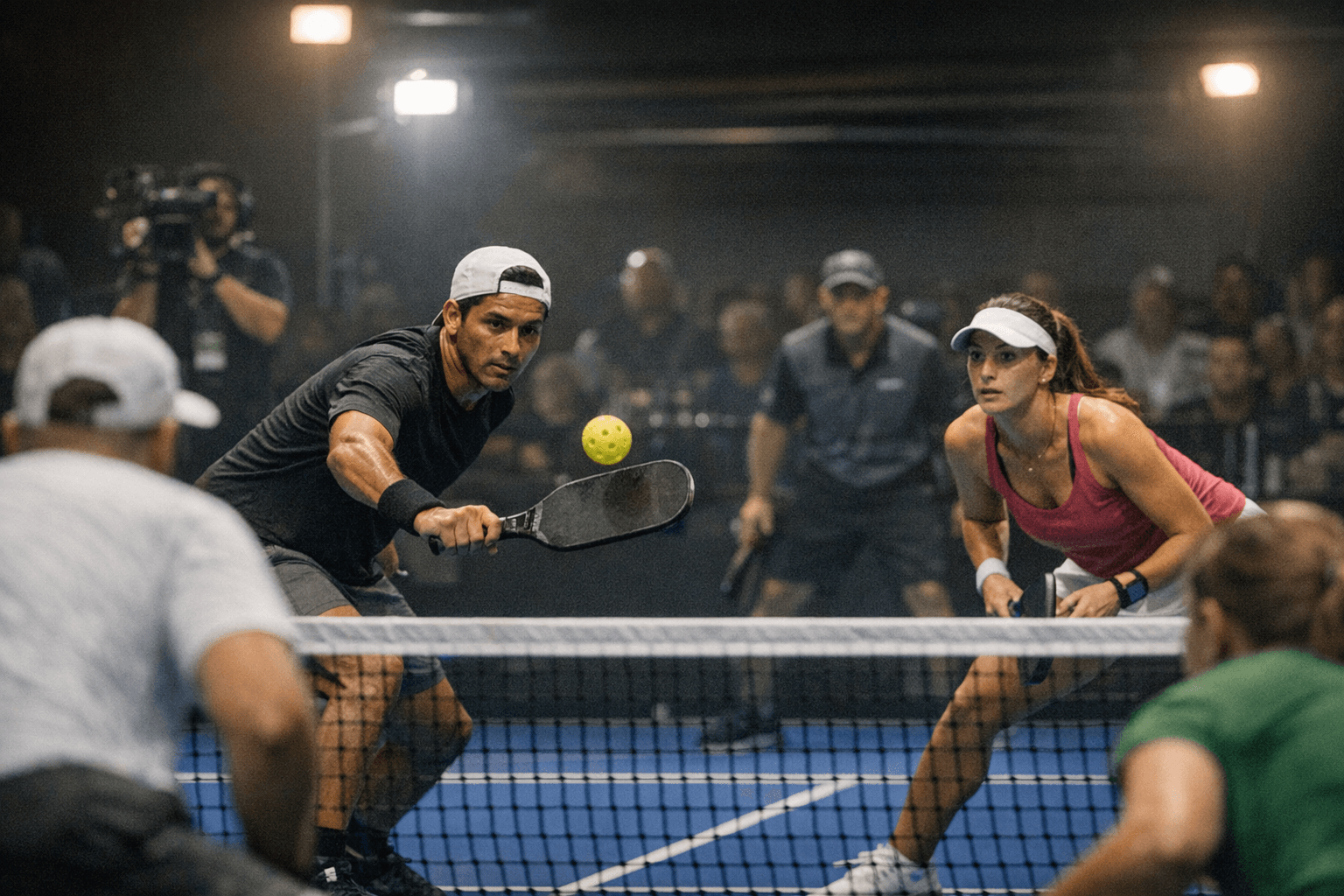
Seven essential beginner drills to grow pickleball programs in Asia
Seven short drills help new players build muscle memory and confidence while keeping equipment and costs low for community programs across Asia.
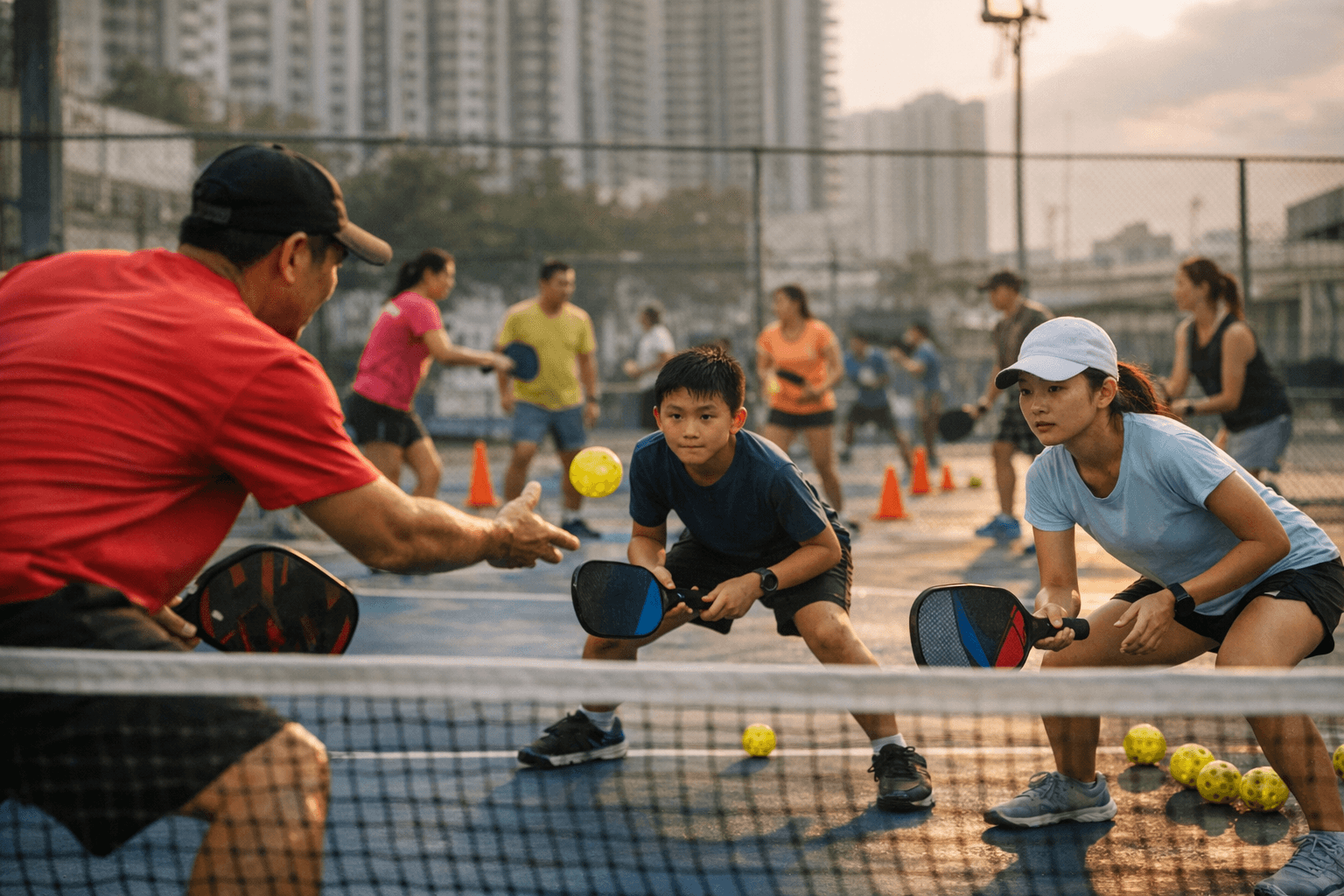
Community courts across Asia are getting a practical, low-cost curriculum for new players: seven short, repeatable drills that prioritize muscle memory, court sense, and the kitchen line rather than full-court points. These equipment-light exercises fit weekend clinics, school programs, and community sessions and aim to accelerate confidence while keeping teaching efficient and social.
Start with a Wall Rally to build consistent contact and hand-eye coordination. Stand 6–8 feet from a wall and work forehand and backhand strokes, aiming for 30 continuous hits. Progress by moving laterally or reducing distance to challenge control while reinforcing paddle angle and a relaxed wrist.
Move into the Drop & Dink to teach soft touch at the kitchen line. Partners alternate dropping the ball or feeding a gentle underhand drop and practice soft dinks, switching roles every five to seven repetitions. Use the cue: Think of a ‘soft handshake’ with the ball to keep contact delicate and controlled.
Two-Step Serve Practice develops a reliable serve from the baseline. Focus first on consistent contact, then on placement to a one-meter target box in the opposite service court. Keep the toss low and swing smooth; aim for consistent in-play serves before adding pace.
The Third-Shot Drop Routine bridges baseline play to the non-volley zone. Have a coach or partner feed returns while the server practices soft third-shot drops to the kitchen. Repeating from both sides and varying feed height and pace builds the touch needed to approach the net.
Transition & Footwork Boxes drill footwork over short bursts. Set two cones three to four feet apart and rehearse explosive two-step transitions from baseline to the kitchen line, stopping in a ready position with the cue: push-pivot-step — ready. This builds balance and prevents bad forward-foot habits.
Return-to-Serve simulates point starts. The server serves, the returner works on deep, high returns, then both sprint to the kitchen line to play two dinks. Rotate after six to eight reps to keep intensity and reinforce smooth movement into the ready position.
Finish with Short Games — first to five — using beginner-friendly modifications like allowing two bounces total and rewarding players who get to the kitchen line. Short, competitive sets put skills under light pressure and keep sessions fun.
Coaching tips include an eight to ten minute warm-up of light jogging and dynamic stretches, keeping drills to 6–15 minute bursts with water breaks, and using low-compression beginner balls to extend rallies. For community programs, choose durable entry-level paddles with polymer cores and textured faces, and use portable court tape and temporary nets to run sessions in multi-use spaces. A sample 60-minute class flows from warm-up and wall rally through serve practice, third-shot drops, partner dinks, short games, and a final cool-down and Q&A.
Consistency and fun are the secret ingredients. Schedule short sessions twice weekly where possible, keep coaching positive and specific, and run parent-child or community-led classes to broaden access and grow confident players across cities and towns.
Know something we missed? Have a correction or additional information?
Submit a Tip