Seven Western countries urge Israel to halt West Bank settlements
Seven Western governments issued a blunt rebuke over West Bank settlements, but their immediate leverage was limited to pressure, warnings and reputational costs.

The seven governments of Britain, Italy, France, Germany, Canada, Australia and New Zealand sharpened their pressure on Israel on May 22, warning that settlement expansion and settler violence in the West Bank had reached a level they could no longer treat as routine diplomacy.
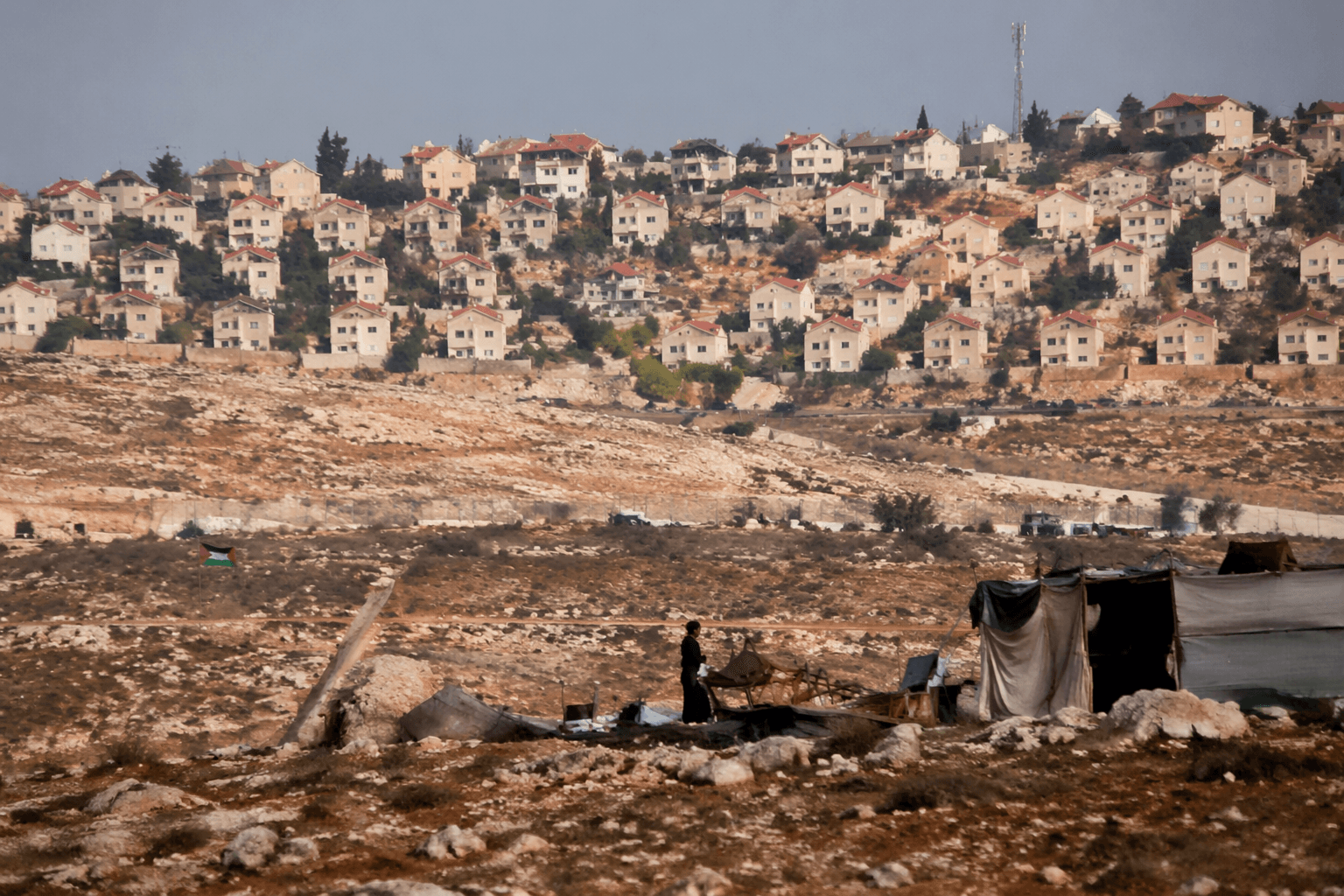
Their joint statement said settler violence was at unprecedented levels and that Israeli settlements in the West Bank were illegal under international law. It also said construction in the E1 area would be no exception and would divide the West Bank in two, striking at the territorial continuity needed for any future Palestinian state.
The text called for accountability for settler violence, investigations into allegations against Israeli forces, and an end to the expansion of settlements and administrative powers. It also urged Israel to lift financial restrictions on the Palestinian Authority and the Palestinian economy, respect the Hashemite custodianship over Jerusalem’s holy sites and the historic status quo arrangements, and oppose annexation and forcible displacement of Palestinians.
The governments also reached beyond government-to-government diplomacy and into the private sector, warning businesses not to bid on construction tenders for E1 or other settlement developments because of legal and reputational consequences. That is the clearest concrete tool in the statement: public naming, business pressure and a coordinated warning that settlement activity carries costs beyond the ground in the West Bank.
The move reflected widening frustration among some of Israel’s closest allies as the war in Gaza continues to dominate headlines but the settlement fight deepens. The joint rebuke was not a sanction, but it was more than symbolism. By speaking together, the governments turned a policy dispute into a public test of Israel’s ties with major Western partners.
The backdrop is a deteriorating security and humanitarian picture. On March 17, the United Nations Human Rights Office said more than 36,000 Palestinians had been forcibly displaced in the West Bank amid settlement expansion and violence. It documented 1,732 settler-violence incidents in the 12 months through October 31, 2025, up from 1,400 in the previous period, and said October 2025 brought 42 settler attacks that injured 131 Palestinians, the highest monthly total since 2006.
The flashpoint has been E1, east of Jerusalem, where Israel gave final approval on August 20, 2025 to a 3,500-apartment expansion plan. The project had been frozen for years under previous U.S. pressure, and Israeli Finance Minister Bezalel Smotrich said it would “bury” the idea of a Palestinian state. For the Western governments, that is the central concern: settlement growth is no longer just a matter of maps and permits, but a direct challenge to the two-state solution they still say they support.
This article was produced by Prism’s automated news system from verified source data, official records, and press releases, then run through automated quality and moderation checks before publishing. The system is built and supervised by the people who set the standards it runs under. Read our full AI policy.
Did this article answer your question?


