Several Earthquakes Rattle U.S. Virgin Islands Region, Reaching Magnitude 4.6
A magnitude 4.6 earthquake led a cluster of seismic events near the U.S. Virgin Islands on March 31, with epicenters up to 150 km north of Charlotte Amalie.
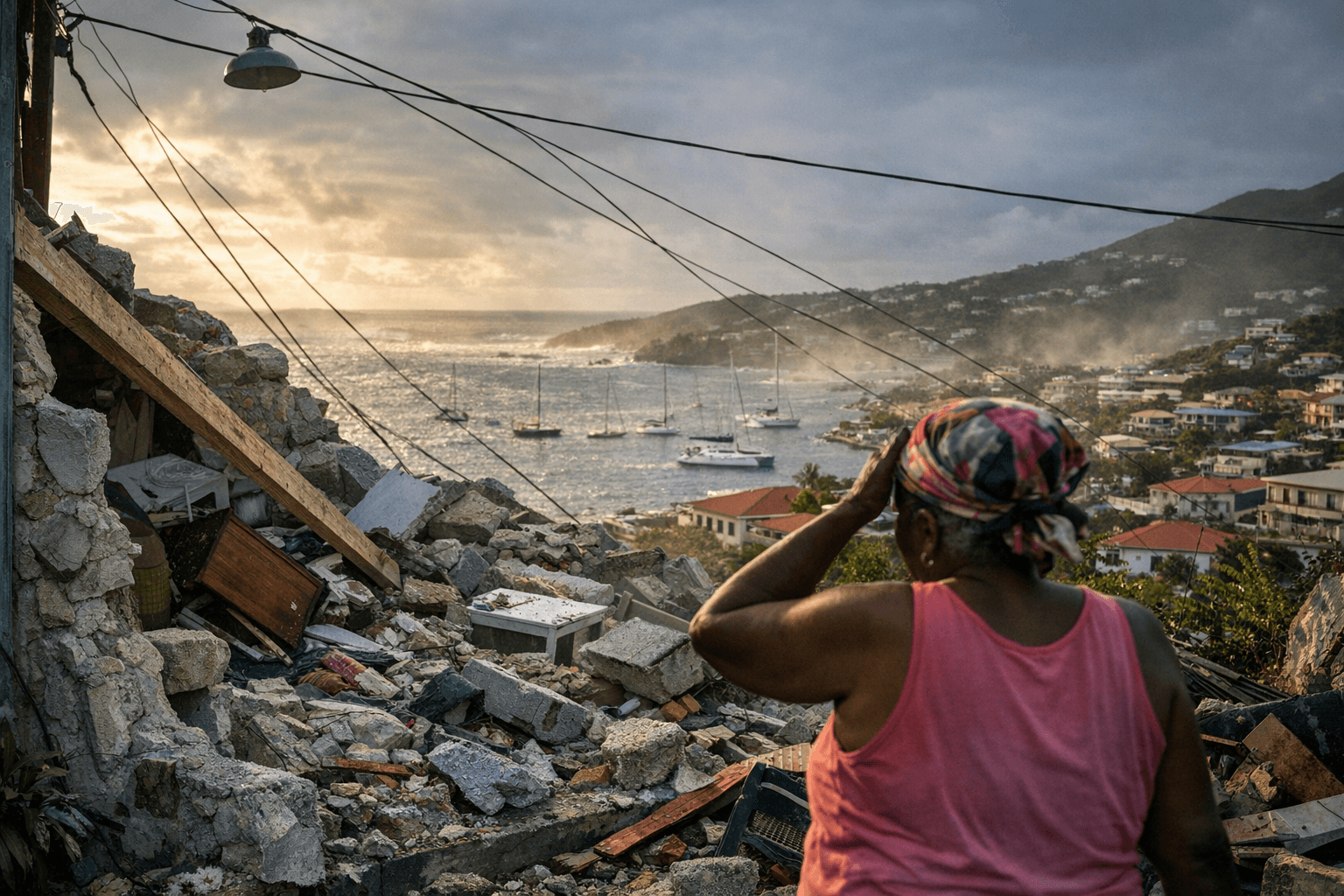
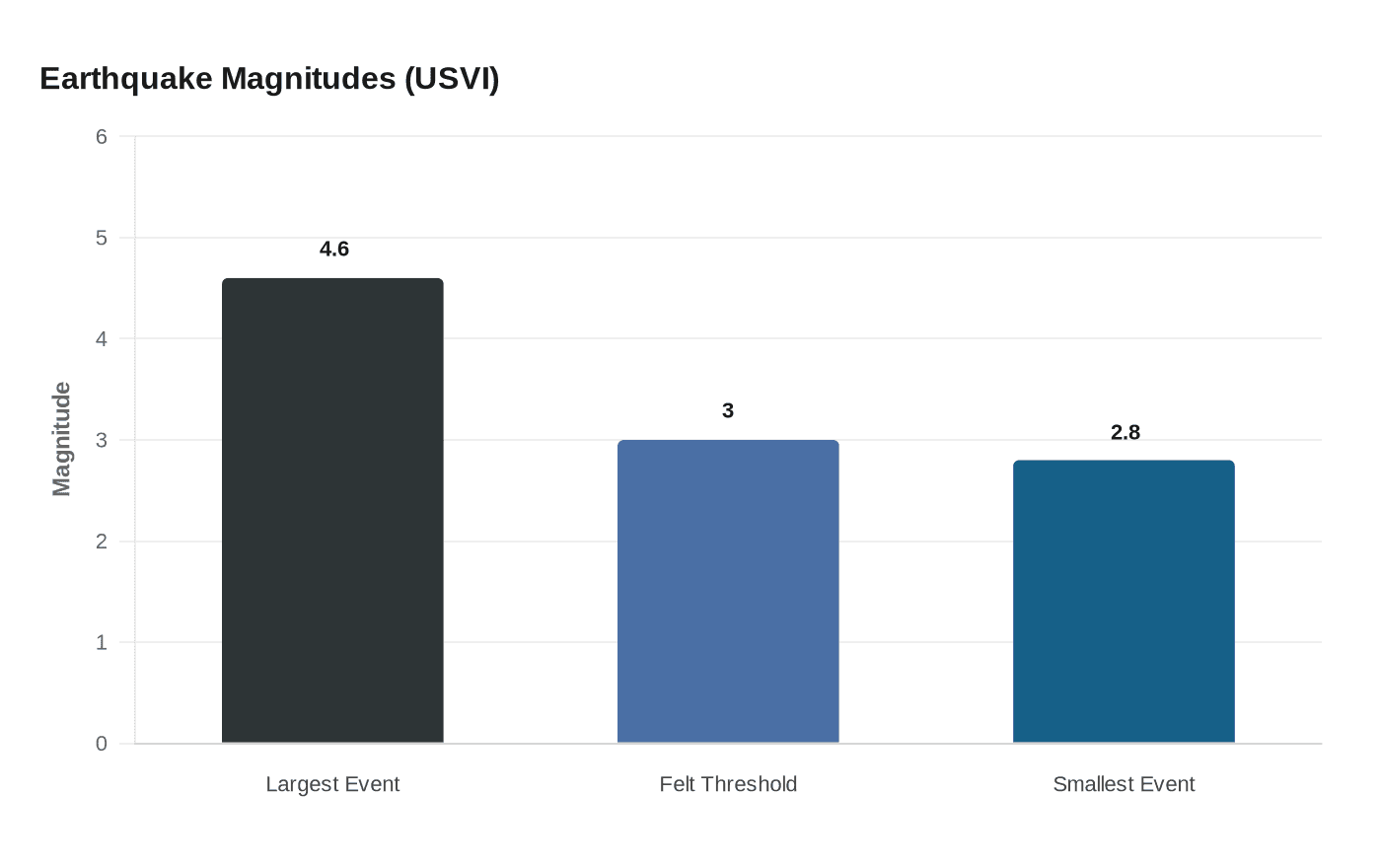
A shallow magnitude 4.6 earthquake anchored a cluster of seismic events that rattled the U.S. Virgin Islands region on March 31, with the U.S. Geological Survey logging multiple quakes as small as magnitude 2.8 across a zone stretching roughly 100 to 150 kilometers north of Charlotte Amalie.
The USGS "Latest Earthquakes" map recorded timestamps throughout the day in UTC, capturing several events with epicenters near Anguilla and the broader Lesser Antilles as well as closer to the Virgin Islands themselves. Depths for the events fell typically in the tens of kilometers, a range that amplifies felt intensity at the surface and contributes to wider shaking patterns than deeper events of equivalent magnitude.
At the 3.0 to 4.6 range recorded Tuesday, such quakes are commonly felt by residents but rarely produce significant structural damage where earthquake-resistant construction is in place. Local geology and precise depth, however, ultimately determine how strongly shaking registers at any given point on the surface.
The swarm fits within the normal seismic character of the Caribbean, where the Caribbean Plate grinds against adjacent oceanic plates along a complex and tectonically active boundary. Clusters of small earthquakes can reflect localized fault adjustments, stress redistribution following a larger event, or, in volcanic subregions, magmatic processes. Tuesday's sequence does not by itself signal an imminent major rupture; USGS seismologists continue monitoring for any changes in frequency or the emergence of larger foreshocks that would warrant elevated concern.
Emergency response agencies rely on USGS data to determine whether public messaging or formal advisories are necessary. Preparedness guidance for the region consistently emphasizes securing heavy objects, maintaining emergency supply kits, and knowing evacuation routes for coastal areas that carry tsunami exposure, a dual hazard that defines risk management throughout the Caribbean island chain.
The USGS continues to update magnitude estimates, origin times, and depth calculations as seismologists review each event. Residents can access individual event pages for detailed intensity data and submit observations through the agency's "Did You Feel It?" reporting system, which aggregates community accounts to help scientists refine shaking models and calibrate hazard assessments for densely populated coastal zones.
This article was produced by Prism’s automated news system from verified source data, official records, and press releases, then run through automated quality and moderation checks before publishing. The system is built and supervised by the people who set the standards it runs under. Read our full AI policy.
Did this article answer your question?