Severe storms and Tropical Storm Arthur slam the Midwest and South
Power cut to more than 221,000 Illinois customers as tornadoes, floods and Arthur’s surge hit the Midwest and Gulf Coast at once.
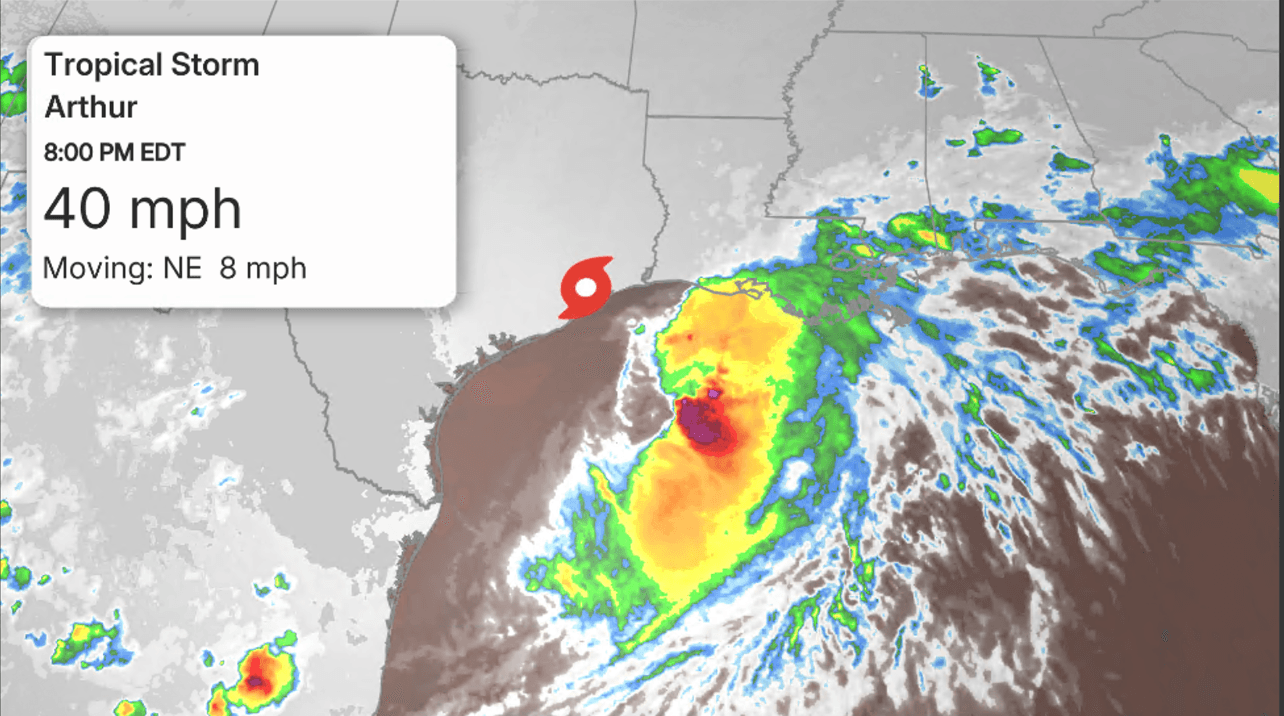
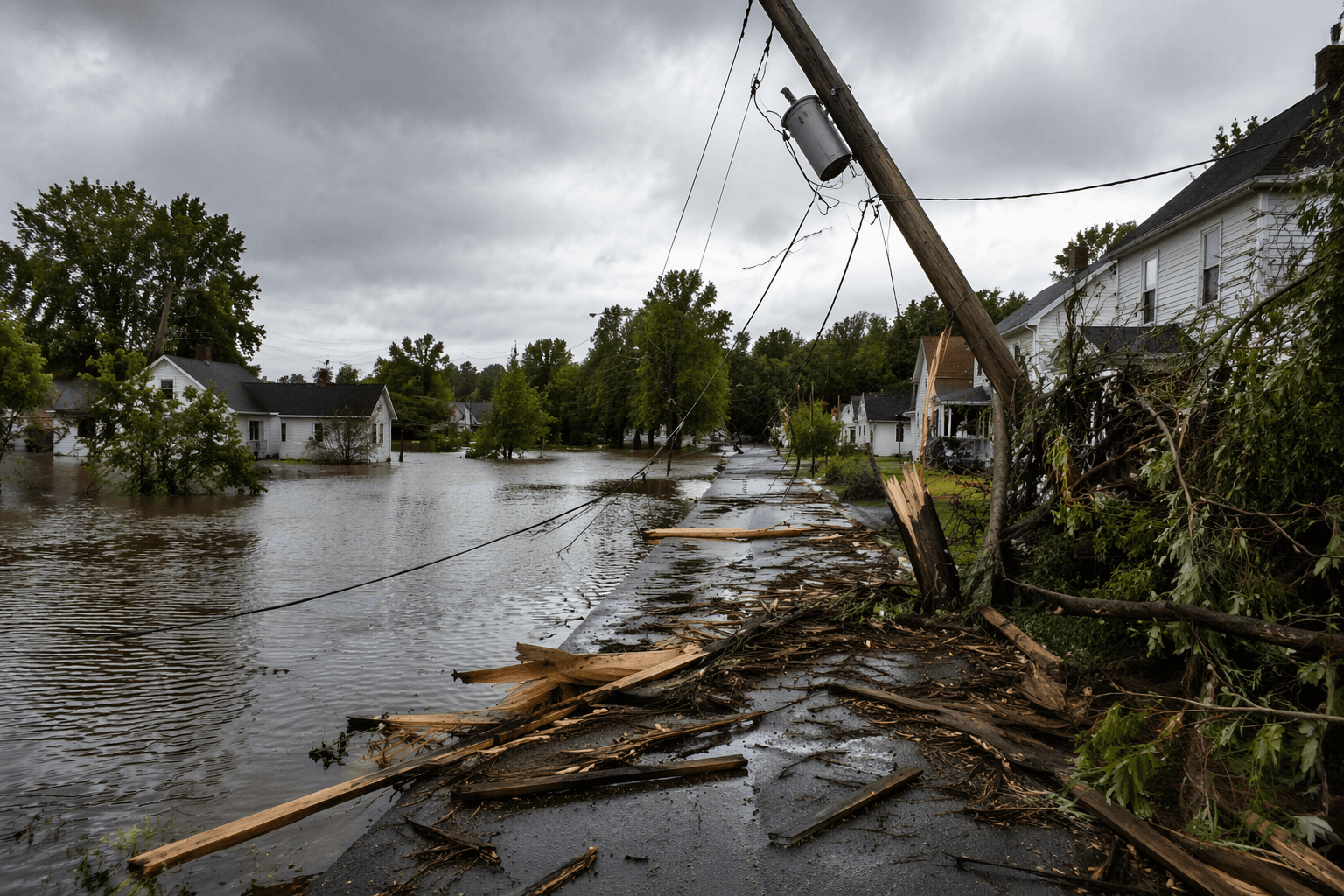
Severe storms and Tropical Storm Arthur hit two regions at once, leaving the Midwest to absorb tornados, outages and flight cancellations while the Gulf Coast braced for flooding, surge and more runoff before it could recover from the last round. In Illinois alone, more than 221,000 customers lost power, and the National Weather Service confirmed at least four tornadoes in the outbreak, including preliminary EF-3 twisters in Streator, Illinois, and Kouts, Indiana.
The Chicago area was placed under a level 4 out of 5 severe risk, the highest threat there since July 15, 2024, when the region saw a record tornado outbreak with 32 touchdowns. The storm line damaged buildings, canceled flights and left at least one person dead in Iowa, underscoring how quickly a single system can move from weather alert to public-safety crisis across multiple states.
Arthur added a separate but related strain along the Gulf. The storm formed on Wednesday, June 17, 2026, becoming the first named Atlantic storm of the 2026 hurricane season, then made landfall along the Texas Gulf Coast with maximum sustained winds around 40 to 45 mph before weakening over land. Even after losing strength, Arthur was forecast to dump 5 to 10 inches of rain, with isolated totals up to 20 inches, across Texas, Louisiana, Mississippi, Alabama, Georgia and the Florida Panhandle, while the National Hurricane Center warned of dangerous to life-threatening flash flooding and possible tornadoes from its remnants.
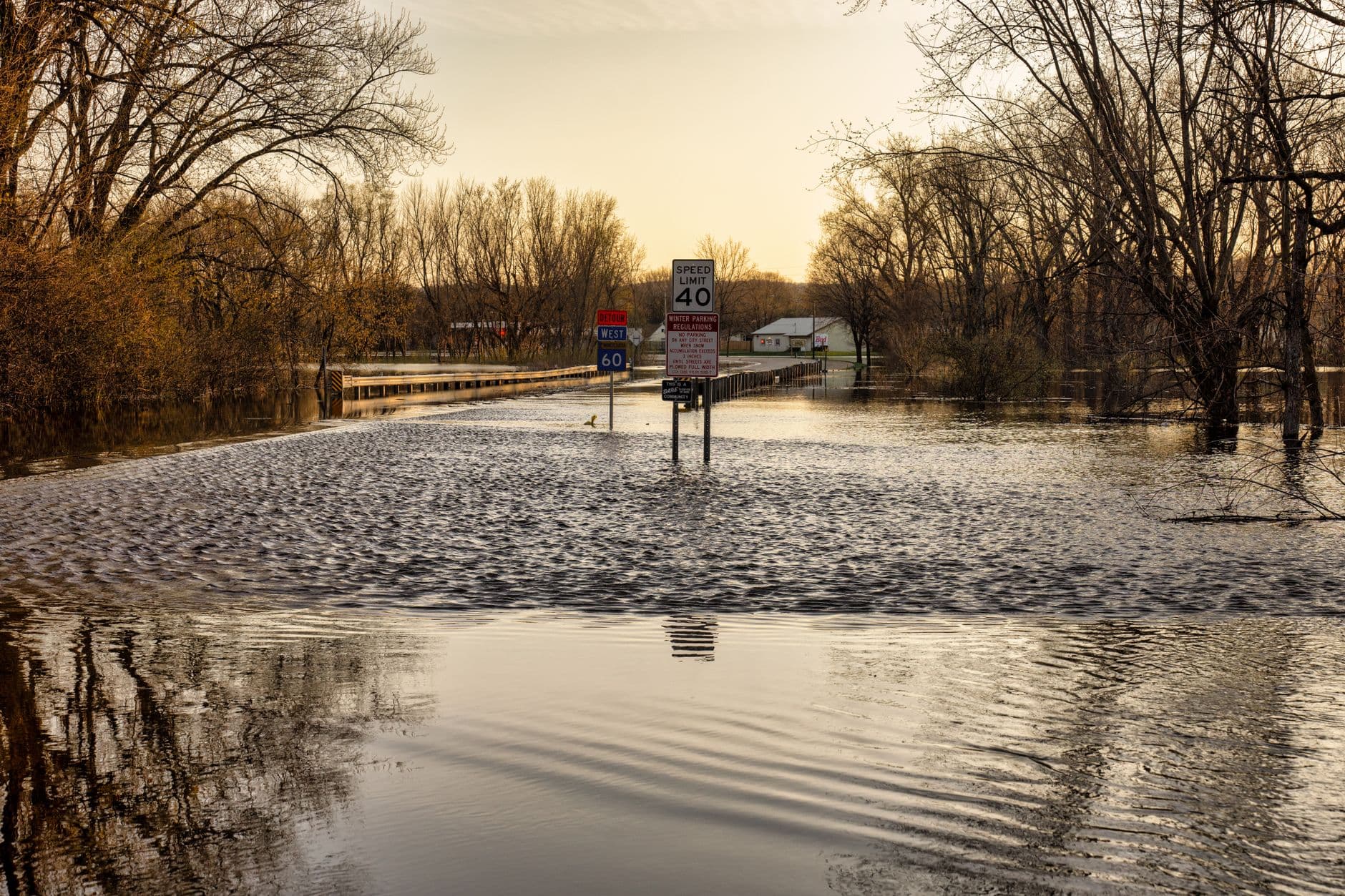
A tropical storm warning covered the upper Texas and Louisiana coastlines, where storm surge of 2 to 4 feet was possible from Port Bolivar, Texas, to Morgan City, Louisiana. In Louisiana and Mississippi, officials opened sandbag sites, cleared drainage systems and prepared boats and barricades as the forecast tightened around already vulnerable communities from Brazoria County and Beaumont to New Orleans and Covington.
Utility companies also moved into full response mode before the worst arrived. CenterPoint Energy said it mobilized about 2,600 personnel, and Entergy Texas activated its storm command center and lined up crews for outages. The overlapping emergencies exposed the same problem in two different forms: when storms arrive back-to-back, the test is no longer just forecasting one event, but whether grids, drainage systems and emergency crews can absorb repeated shocks without a recovery gap.
This article was produced by Prism’s automated news system from verified source data, official records, and press releases, then run through automated quality and moderation checks before publishing. The system is built and supervised by the people who set the standards it runs under. Read our full AI policy.
Know something we missed? Have a correction or additional information?
Submit a Tip