Severe storms slam Midwest as U.S. officials head to Pakistan for Iran talks
Strong winds knocked out power to more than 160,000 Michigan customers as the Midwest braced for another severe-weather outbreak. At the same time, U.S. officials were headed to Pakistan for new Iran talks.
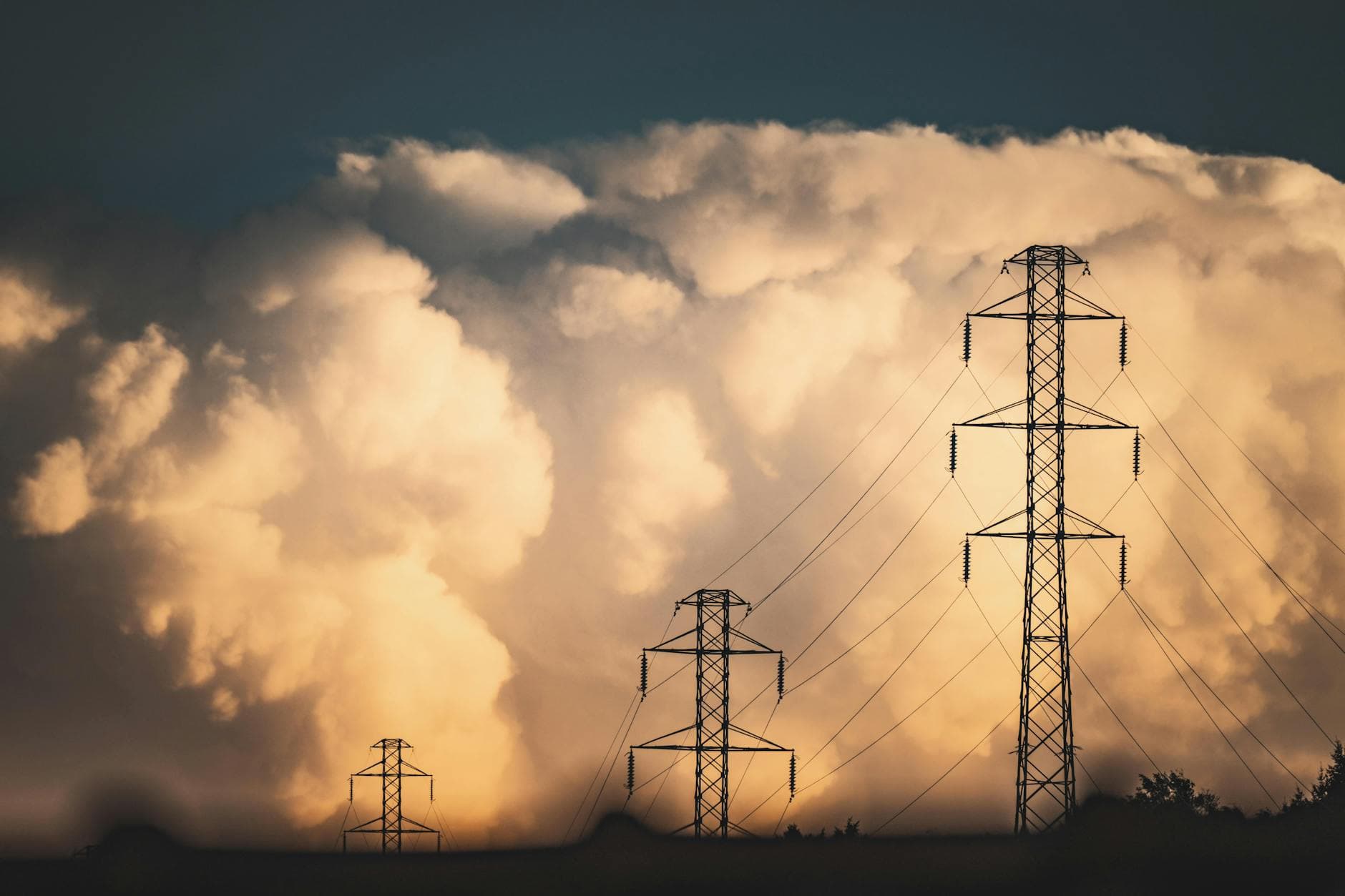
Strong winds knocked out power to more than 160,000 utility customers across Michigan’s Lower Peninsula as a severe weather system stretched from Lake Michigan to Lake Huron, leaving crews to restore service while the Midwest absorbed yet another round of spring disruption.
The outages were the clearest sign of how fast the outbreak spread. Michigan’s Lower Peninsula took a direct hit from damaging wind, and the scale of the blackout showed how quickly one storm line can strain power grids, emergency response and daily routines across a large region. In past Midwest outbreaks, tornadoes have flattened neighborhoods, flipped cars and uprooted trees, with some storms leaving injuries and deaths in their wake.
This round of severe weather came as officials and residents across the Midwest again watched the skies for what the system might do next. The National Weather Service continued tracking the threat across the region as the storm band moved through a broad swath of the Upper Midwest, where spring outbreaks can turn sudden and violent. The immediate concern remained downed lines, isolated roads and the long tail of cleanup that follows a fast-moving storm.
The storm damage landed against a different kind of uncertainty in Washington’s foreign policy. U.S. officials were headed to Pakistan for more talks on Iran, but it remained unclear whether Iran would take part in direct negotiations with the United States. Pakistan could serve as a venue or intermediary in the wider diplomacy, even as the main issue of direct contact remained unresolved.
That uncertainty reflected a long pattern in U.S.-Iran diplomacy. Past nuclear talks have often moved through backchannels or third countries rather than open, face-to-face bargaining, including secret meetings in Oman and elsewhere that reached back to 2012. Those talks helped shape earlier compromises involving the United States, Iran and other world powers, even when public progress seemed stalled.
Taken together, the storms and the diplomacy underscored the same basic reality: major risks can unfold quickly, but the harder work often comes after the headlines, when utility crews, emergency managers and negotiators all have to keep pushing through the consequences.
This article was produced by Prism’s automated news system from verified source data, official records, and press releases, then run through automated quality and moderation checks before publishing. The system is built and supervised by the people who set the standards it runs under. Read our full AI policy.
Did this article answer your question?