Severe Weather Threats Spread Across U.S. After Tornado Outbreaks in Midwest
Repeated tornado outbreaks have already damaged more than 100 homes in the Upper Midwest, while Oklahoma, Indiana and the Chicago area face a rising 2026 severe-weather toll.

Repeated tornado outbreaks are testing emergency systems, power infrastructure and household readiness across a broad swath of the country as forecasters warn that the dangerous pattern is not over. The Storm Prediction Center has kept elevated severe-weather risk categories in play for parts of Oklahoma and the wider central U.S., with large hail, damaging winds and tornadoes all still in the mix.
The most immediate reminder came in the Upper Midwest, where the National Weather Service office in La Crosse said a significant tornado outbreak struck on Friday, April 17, 2026. Preliminary reports suggested more than 100 homes were damaged, and only one person in Iowa sustained minor injuries. The office issued 26 tornado warnings that day, the most for any single day since the office was built in 1995.
That outbreak also produced nine tornadoes in the La Crosse service area, tying the office’s largest April tornado outbreak on record. Storms formed along a cold front and a warm front before moving east through the afternoon, a setup that left little time for communities to react once warnings were issued. For local emergency managers, the scale of the warning load underscored how quickly a multi-county event can overwhelm sirens, dispatch centers and shelter operations.
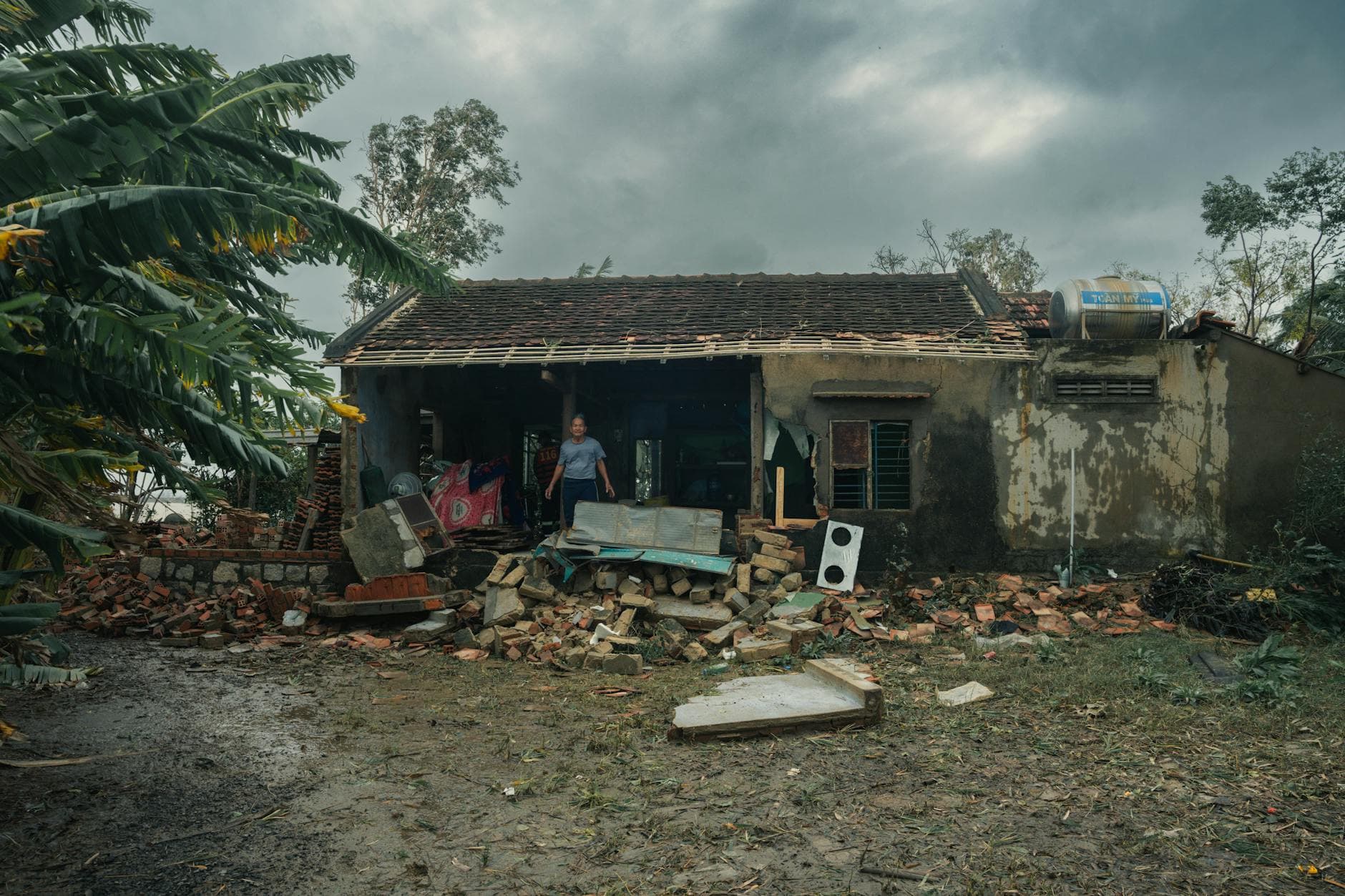
The strain is not limited to one region. In Oklahoma, the National Weather Service tornado dataset showed 44 tornadoes in 2026 by the time the page was viewed, with tornadoes already logged on January 8, March 5-6, March 10, April 3 and April 14. The pace of activity points to a season that has stayed active from winter into spring, increasing the odds that residents will face repeated alerts, repeated cleanup and repeated interruption to schools, workplaces and utility service.
Indiana has also been hit again and again. Event summaries from the National Weather Service office in Indianapolis show a February 19 severe storm that included a Bloomington tornado, followed by an April 2 severe storm with damaging winds, large hail and a Parke County tornado. Those back-to-back events fit a larger pattern across the Midwest and Lower Great Lakes, where severe thunderstorms have already brought wind damage, hail and flooding alongside tornadoes.
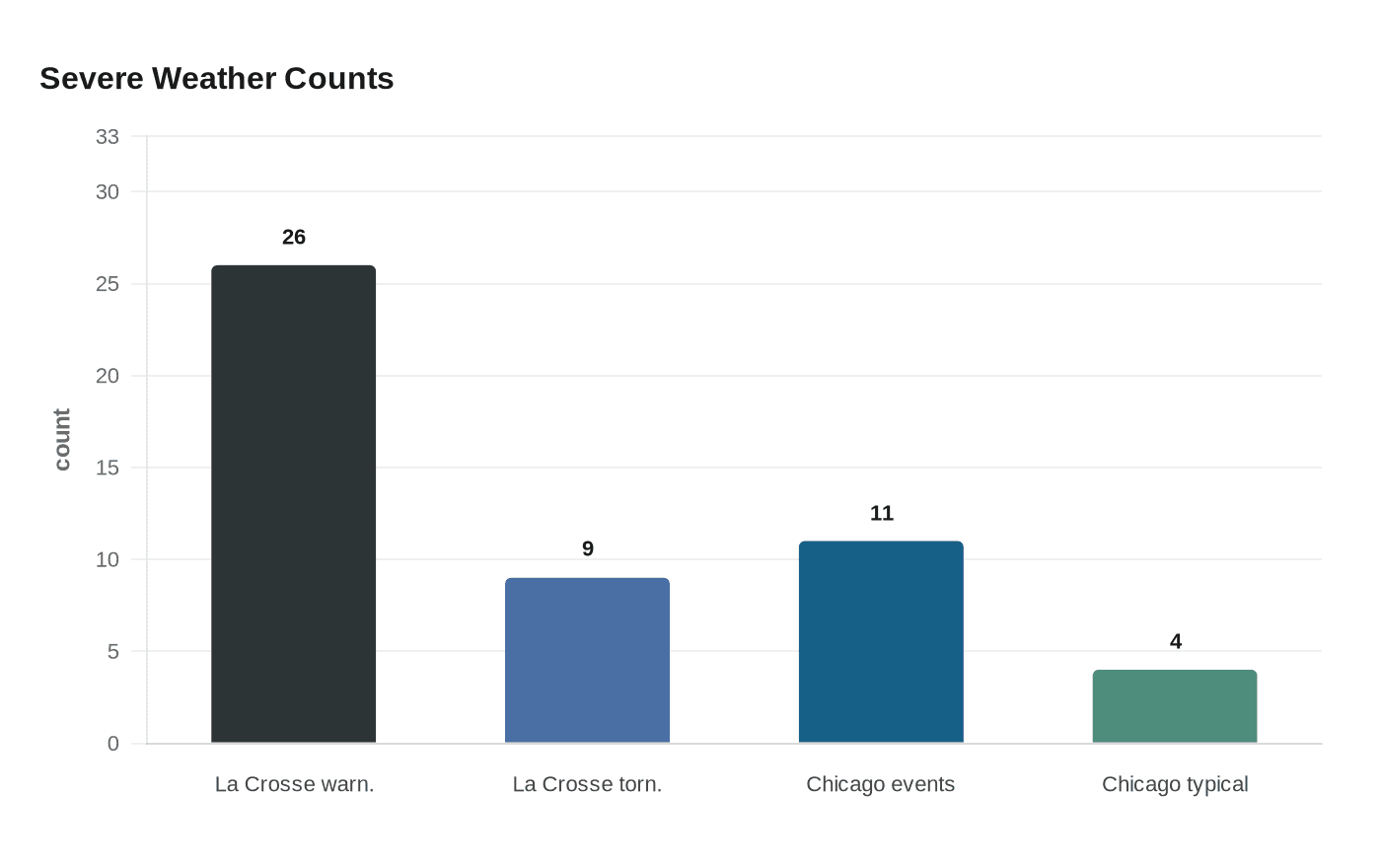
The National Weather Service office in Chicago said that as of April 19, 2026, its forecast area had already seen 11 individual thunderstorm events with at least one severe report. That is far above the typical number of severe-weather days from January 1 through April 30, which the office puts at around four. With more storms still possible, the season is becoming a test of whether warning systems, grid operators and households can absorb one round of damage before the next arrives.
This article was produced by Prism’s automated news system from verified source data, official records, and press releases, then run through automated quality and moderation checks before publishing. The system is built and supervised by the people who set the standards it runs under. Read our full AI policy.
Did this article answer your question?