Severe storms threaten Plains and Midwest with hail, tornado risk
Supercells, large hail and tornadoes are most likely from northeast Colorado to Iowa, with flash flooding building Sunday night.
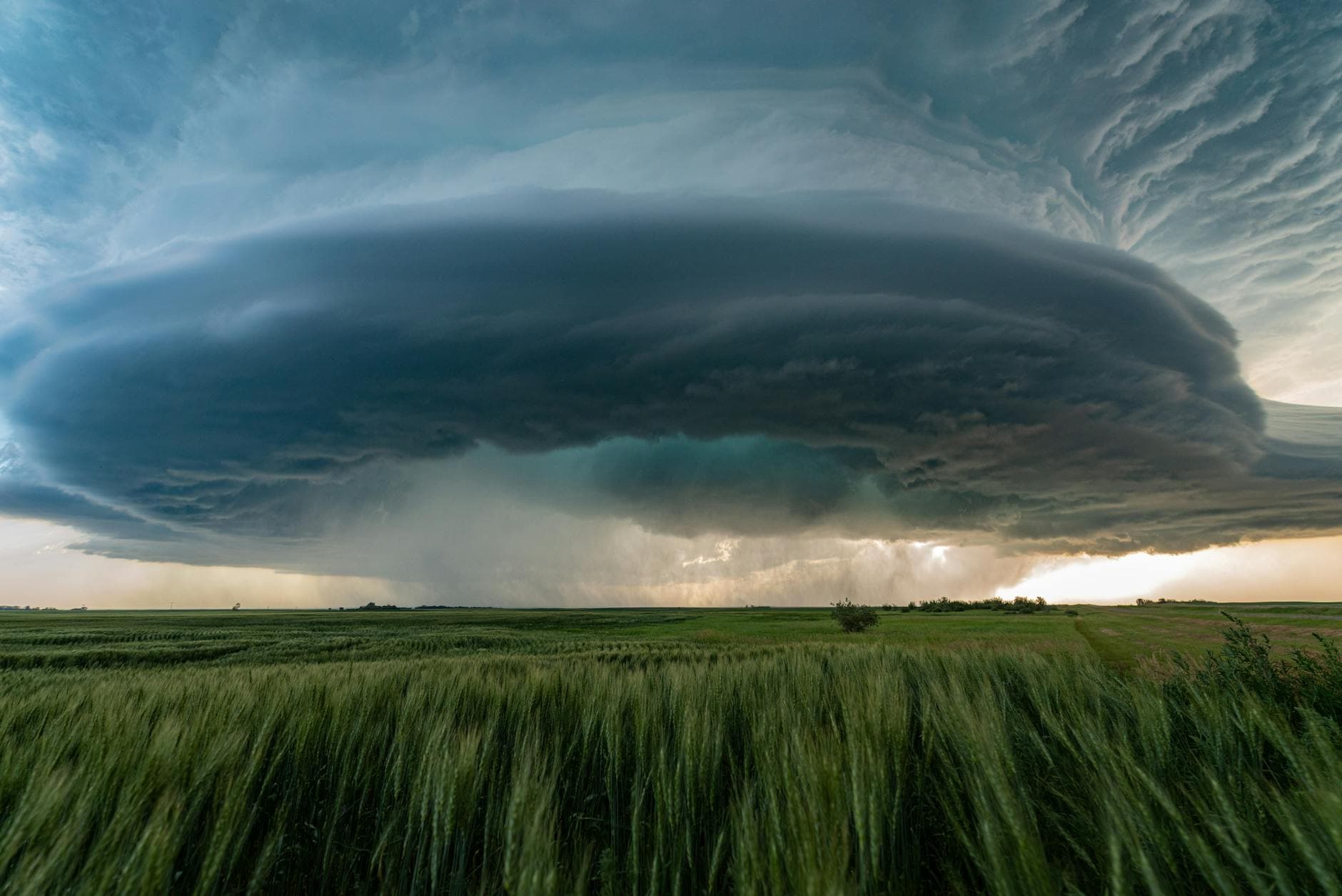
A dangerous storm setup is targeting a broad swath of the central U.S., with the highest severe-weather threat centered from northeast Colorado through Nebraska, southeast South Dakota, southwest Minnesota and northwest Iowa. Forecasters said the pattern will bring damaging winds, very large hail, a few tornadoes and, in the hardest-hit corridors, the chance for intense rainfall that could quickly flood low-lying roads.
The Storm Prediction Center placed that northern corridor in an Enhanced Risk in its Day 2 outlook issued Saturday afternoon, signaling a meaningful chance for organized severe storms. In that zone, supercells could form first, bringing very large hail and strong tornadoes before storm lines consolidate and raise the wind-damage threat later in the day. The Weather Prediction Center said rounds of thunderstorms are likely across much of the central and southern Plains and Midwest over the next several days, and the severe-weather threat is expected to persist into Monday as the system slowly pushes east.
The flash-flood concern is most acute from northern Missouri into southern Iowa, with nearby parts of southeast Nebraska and northeast Kansas also in the danger area Sunday night. Forecasters said some storms could move slowly and dump rain at intense rates, creating isolated to scattered flooding on roads and in communities already dealing with saturated ground. That means the next 48 hours carry a layered risk: hail and tornadoes in the stronger cells, then wind damage as storms organize into lines, then flooding where cells stall.
The setup is especially concerning because it is not a one-and-done event. The Weather Prediction Center’s Day 3-7 Hazards Outlook, created May 16, flags flooding concerns for May 19 through May 23, suggesting the same stormy pattern may linger beyond Monday. Residents across the risk area are being urged to have multiple ways to receive warnings, since fast-changing supercells can turn severe with little lead time and the transition to storm lines can widen the area exposed to power outages, road closures and travel delays.
The scale of the risk also fits a busy severe-weather spring. NOAA said May 2024 severe weather caused more than $20 billion in estimated damage, making it the second-highest monthly cost of severe storm events on record in the United States. In the Midwest, NWS Chicago said its forecast area had already logged 11 thunderstorm events with severe-weather reports by April 19, including a March 10 outbreak with several tornadoes and state-record hail more than 6 inches in diameter. NWS St. Louis has documented the region’s ability to turn violent as well, including a July 9, 2021 wind event with gusts up to 90 mph and a May 19, 2022 outbreak that produced eight tornadoes in east-central Missouri and west-central Illinois.
This article was produced by Prism’s automated news system from verified source data, official records, and press releases, then run through automated quality and moderation checks before publishing. The system is built and supervised by the people who set the standards it runs under. Read our full AI policy.
Did this article answer your question?

