Shakira draws millions to Rio Copacabana beach concert, boosts economy
Shakira’s free Copacabana show drew an expected 2 million people, with Rio betting on R$800 million in spending and a global spotlight.
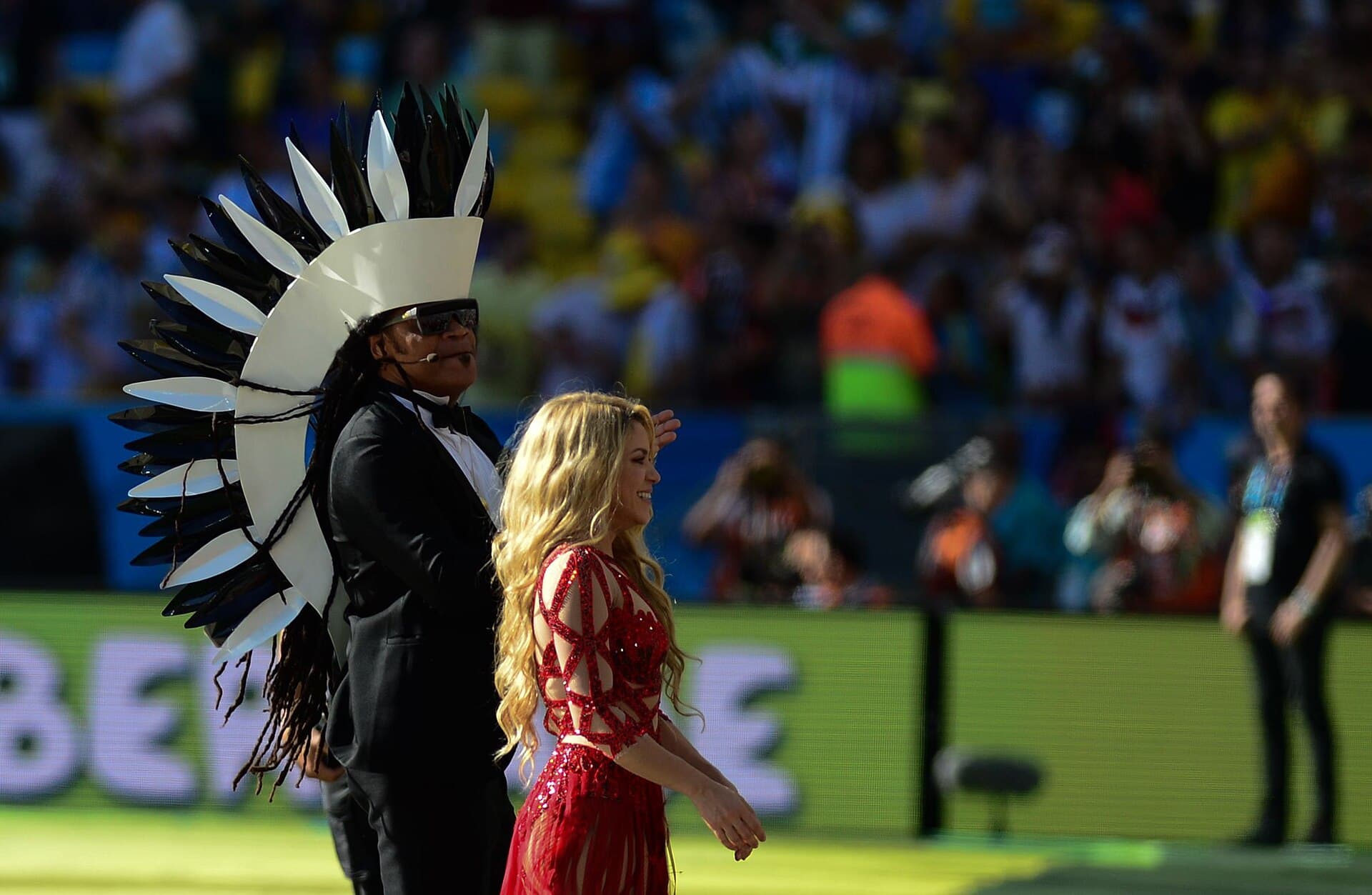
Shakira turned Copacabana Beach into Rio de Janeiro’s newest civic billboard, drawing an expected 2 million people to a free concert that city officials said could generate about R$800 million for the local economy. The May 2 show was the latest example of how Rio uses mass beach concerts as soft power, selling its coastline as both a public square and a tourism machine.
Rio City Hall said the concert, part of the long-running Todo Mundo no Rio series, would bring in domestic tourists, international tourists and Rio residents while boosting hotels, restaurants, transport and retail. Officials said the series is scheduled to continue each May through at least 2028, signaling that the city sees these spectacles not as one-off celebrations but as a recurring economic strategy.
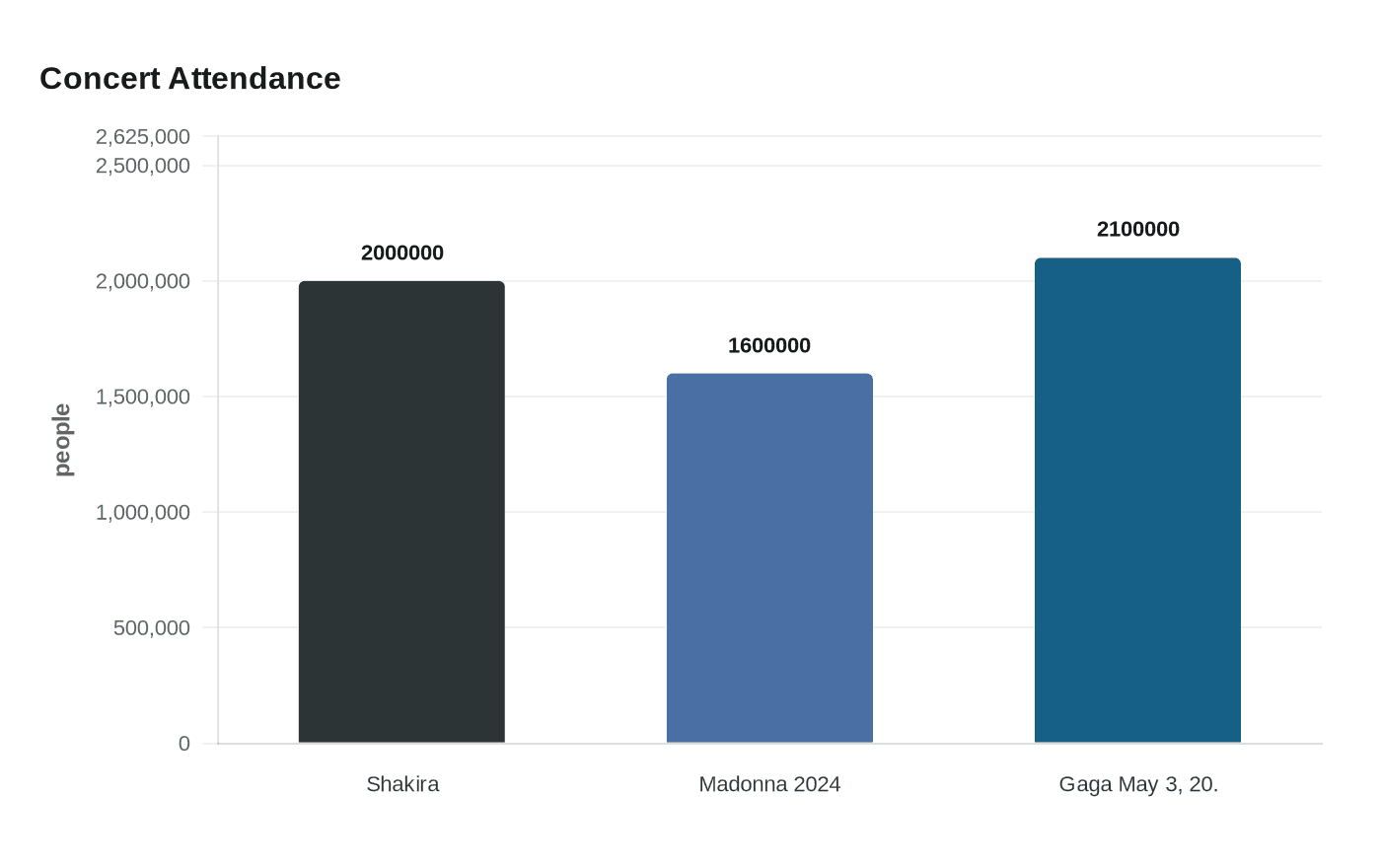
The formula is already clear. Madonna drew about 1.6 million people to a free Copacabana concert in 2024, and Lady Gaga pulled 2.1 million on May 3, 2025. Guinness World Records lists Gaga’s show as the most attended standalone music concert in history by a female artist. Against that backdrop, Shakira’s appearance was framed as another milestone for a beach that has become one of the world’s most extraordinary mass-performance venues.
Rio officials have described Copacabana as a rare place where scale, scenery and infrastructure meet. That combination lets the city stage events that do more than fill the sand. They flood the hospitality sector, push spending into the transport network and retail corridors, and place Rio back into the international conversation as a city capable of managing huge crowds in a globally recognizable setting.
That promise came with risk. The U.S. Consulate General in Rio de Janeiro issued a security alert before the concert, warning that large crowds are unpredictable and advising attendees to plan exits, avoid valuables and prepare transportation in advance. The warning reflected the reality of an event expected to draw more than 2 million fans into a dense beachfront space.
The concert also arrived after a worker died during stage assembly in late April, when Gabriel de Jesus Firmino, a 28-year-old locksmith, was crushed between two elevators in Rio. His death added a labor and safety shadow to an event designed to project celebration, scale and city pride. For Rio, the beach concerts are not just entertainment. They are a bet that public-space spectacle can generate revenue, attract visitors and burnish the city’s image on a world stage.
This article was produced by Prism’s automated news system from verified source data, official records, and press releases, then run through automated quality and moderation checks before publishing. The system is built and supervised by the people who set the standards it runs under. Read our full AI policy.
Did this article answer your question?