Shared Ownership Scheme Leaves Many Buyers Trapped in Unaffordable Homes
Jamie Sugar says her shared ownership home "is not affordable at all" — and a National Audit Office report and MPs' inquiry confirm she is far from alone among 202,000 households in the scheme.
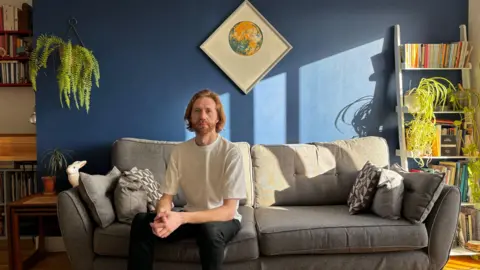
Jamie Sugar bought her home through shared ownership, the government-backed scheme designed to help people who cannot afford a full deposit get onto the property ladder. Her verdict on the experience is blunt: "I don't think it's affordable at all."
Sugar is among roughly a hundred people who contacted the BBC to describe problems they face as shared owners, a wave of complaints that coincides with damning findings from two separate official inquiries. The cross-party Levelling Up, Housing and Communities Committee concluded that shared ownership schemes are "drastically failing to deliver an affordable route to homeownership" for too many people, exposing buyers to rising rents, uncapped service charges, and disproportionate repair and maintenance costs.
The committee's report found that rents, service charges, and the complexity of shared ownership leases make the scheme an "unbearable reality" for many people seeking to become full, 100% homeowners. Clive Betts, Chair of the Levelling Up, Housing and Communities Committee, said the scheme had been "hailed as an answer to the housing crisis especially for first-time buyers," but that for too many it had become "an unbearable reality, where a blizzard of charges and an unfair burden for maintenance and repair costs means that they are unable to afford full homeownership."
The scheme works by allowing eligible buyers, those with a household income below £80,000 (or £90,000 in London) who cannot afford a full deposit and mortgage, to purchase a home in portions over time through a social landlord, typically a housing association. Buyers purchase an initial share of between 10% and 75% of the home's full market value and pay rent on the remainder, with the option to "staircase" by buying additional shares over time. In practice, many are finding that goal unachievable.
One shared owner told MPs that price hikes had blown plans to staircase "out of the water by these constant rent rises." The arithmetic is particularly brutal because, while shared ownership schemes have "drastically failed to deliver" affordable homes, buyers are left exposed to rising rents, uncapped service charges, and disproportionate repair and maintenance costs. Crucially, while rent increases in the scheme are capped, service charge increases are not, leaving owners with no ceiling on one of their biggest outgoings.
The unfairness runs deeper still. Despite not owning 100% of their property, many shared owners are liable for 100% of maintenance and repair costs. The committee recommended that the government examine how it can ensure shared owners are only ever liable for repairs and maintenance costs proportionate to the size of the share they own.
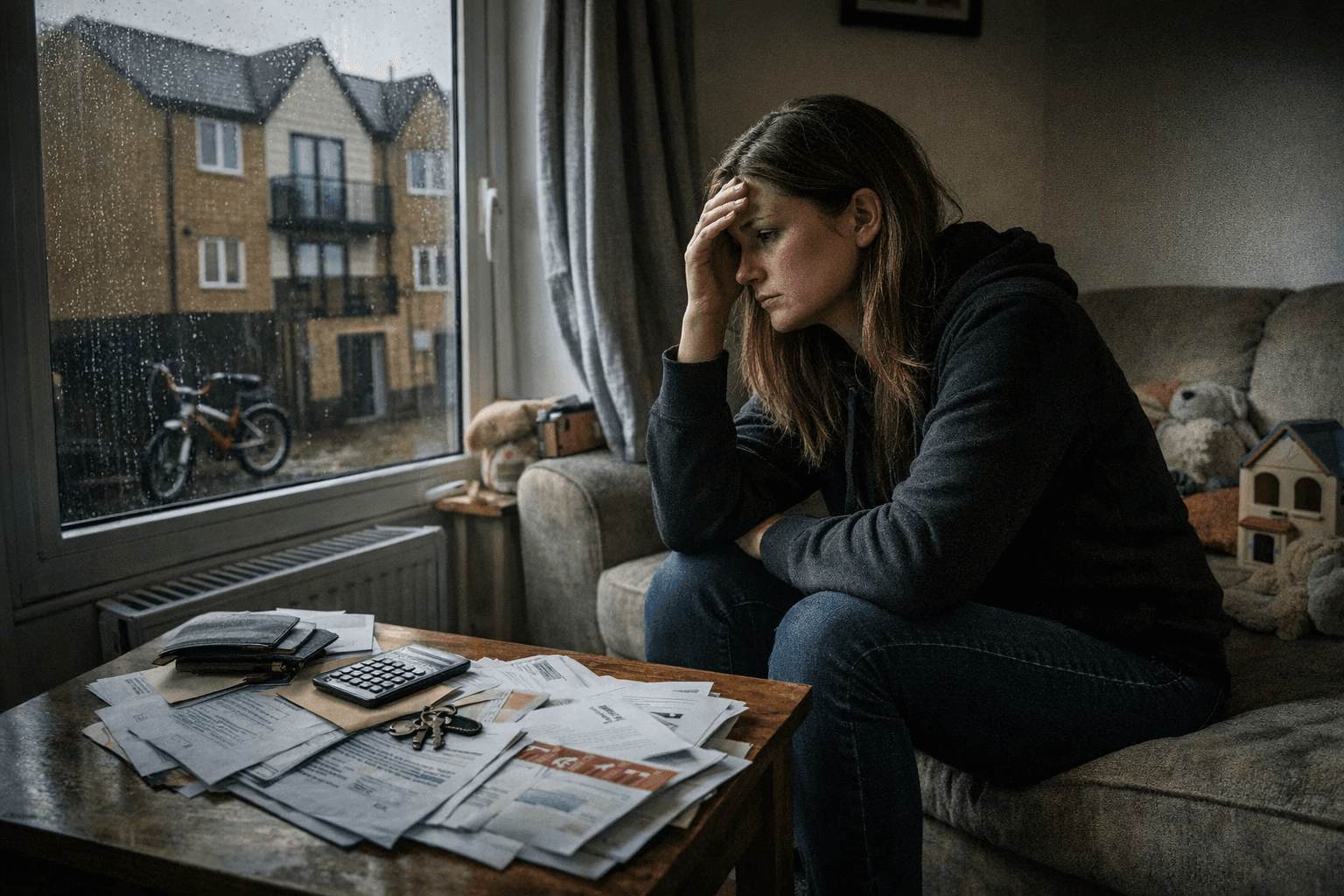
The scale of the problem is substantial. Around 202,000 households are living in shared ownership properties in England. Almost three-quarters of shared owners are aged between 20 and 40, and half are single adults. The Levelling Up, Housing and Communities Committee found the programmes leave buyers exposed to rising rents, uncapped service charges, and disproportionate repair and maintenance costs. Meanwhile, the government is accelerating the scheme's reach: 20,353 shared-ownership homes were built using grant funding in 2024-25, more than in any year in the past decade, accounting for 11% of all new-build supply. Almost half of new homes constructed under the Affordable Homes Programme are being sold under the shared ownership model.
A National Audit Office report warned that complexities within shared ownership mean "customers can be caught out by issues such as increasing service charges," and that many buyers do not fully understand the longer-term financial risks. The NAO said the government must "make this scheme work better" to deliver genuinely affordable housing.
The National Housing Federation and the government acknowledged challenges for some buyers, particularly around rising service charges, and said work was underway to improve transparency and protections, though no specific measures or timetable have been set out. The government's housing committee found shared ownership was supposed to be an "affordable route to homeownership" but has "failed to deliver on this for too many people, for too long," and said the government should explore lease terms ensuring shared owners are only liable for costs proportionate to their stake.
MPs called on the government to take "urgent and significant action to reform how shared ownership schemes currently operate" so they can genuinely deliver an affordable route to homeownership — and asked whether Rent to Buy might offer a better alternative for those struggling to make the current model work.
This article was produced by Prism’s automated news system from verified source data, official records, and press releases, then run through automated quality and moderation checks before publishing. The system is built and supervised by the people who set the standards it runs under. Read our full AI policy.
Did this article answer your question?

