Shearer’s Perham plant fined $37,750 for air permit lapses
The MPCA fined Shearer’s Foods $37,750 after finding the Perham plant lacked a required air permit since 2015; monitoring is now in place and local air oversight increased.
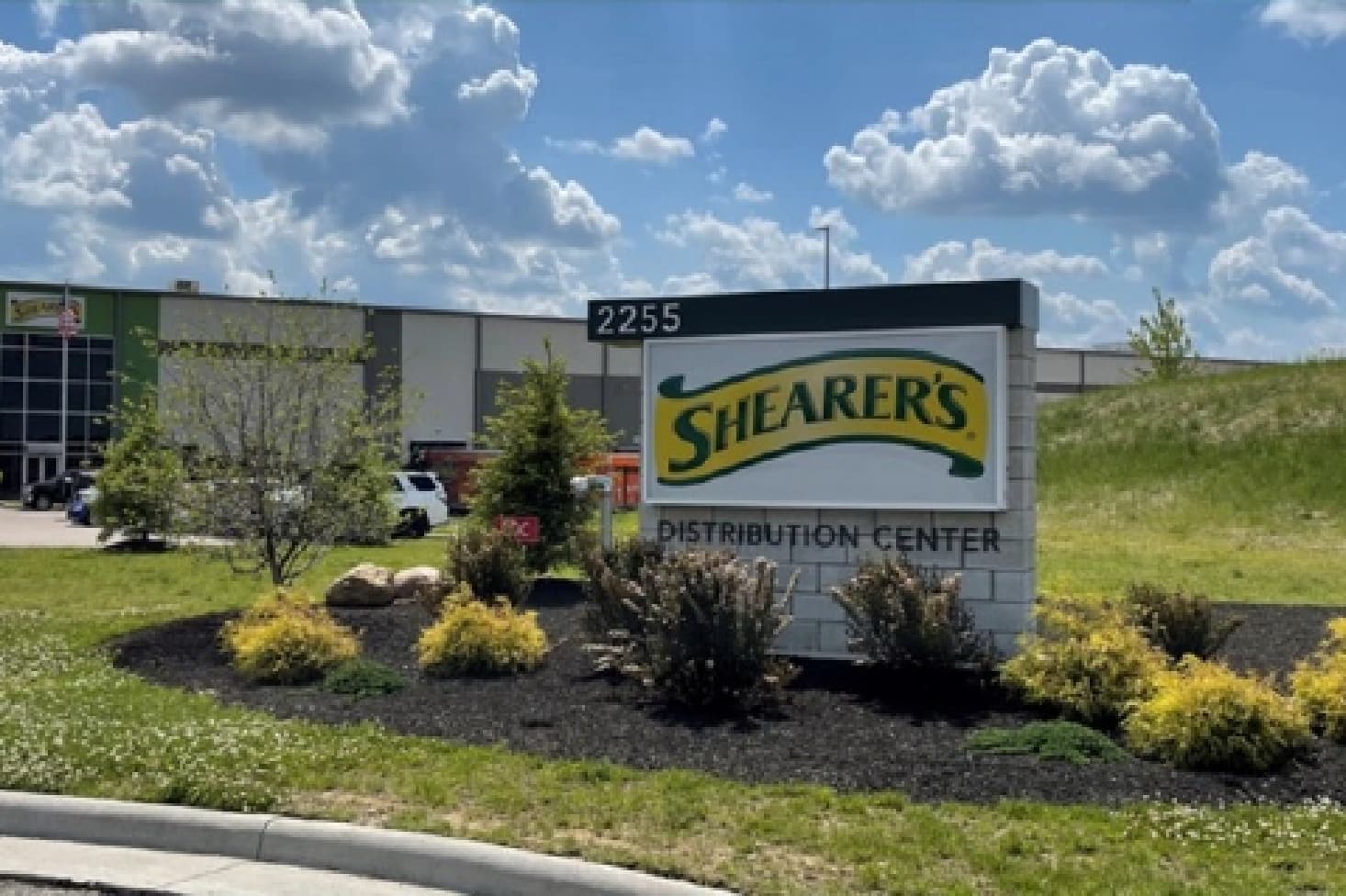
The Minnesota Pollution Control Agency fined Shearer’s Foods’ Perham facility $37,750 after concluding the plant had operated without a required air permit beginning in 2015. The ruling centers on a permit obligation that includes particulate monitoring, a key safeguard for community air quality.
"Shearer’s Foods in Perham was fined $37,750 for air permit violations." That penalty follows an agency review that found the company submitted incomplete permit applications after purchasing the Perham plant in 2015. Regulators say the missing documentation meant the facility was not properly permitted under state air rules for more than a decade until formal corrective steps were implemented.
After the compliance lapse was identified, Shearer’s installed two air monitors at the Perham site and began operating them under an MPCA air monitoring plan. The MPCA issued a formal air permit for the facility in December 2025, bringing the plant back into the regulated permitting framework and spelling out ongoing monitoring requirements. Attempts to contact Shearer’s for comment were unsuccessful at the time of publication.
For Otter Tail County residents, the consequences are immediate and practical. The fine is a one-time financial penalty, but the larger impact is operational: the company now faces permit compliance costs, the ongoing expense of running particulate monitors, and closer regulatory scrutiny. Particulate monitoring measures tiny particles that can affect lung and heart health; having monitors in place gives regulators the data needed to assess emissions trends and respond to public concerns.

The case also has implications for other local manufacturers. Regulators enforcing permit rules signal that ownership changes and permit paperwork must be handled promptly to avoid enforcement action. For local officials and neighbors, the monitoring network provides a new set of measurements to use when evaluating air quality near the plant and when discussing future permits or expansions.
Economically, fines and monitoring costs can affect a plant’s operating margins, but they also reduce regulatory uncertainty by clarifying compliance obligations. For workers and nearby residents, the more important change may be transparency: recorded particulate data creates an evidence base to address odor, dust, or health questions that have sometimes been based on anecdote rather than measurement.
The takeaway? Keep an eye on the data and on public meetings. Residents concerned about air quality can contact the MPCA for monitoring results and follow county permit discussions so community voices shape how industry operates near home. Our two cents? Vigilant local oversight and clear information beat worry every time.
Sources:
Know something we missed? Have a correction or additional information?
Submit a Tip