Shell forecasts 65% surge in global LNG demand by 2050
Shell sees global LNG demand rising 65% by 2050 to nearly 700 million tonnes, as Asia's coal exit and data centers keep gas central.
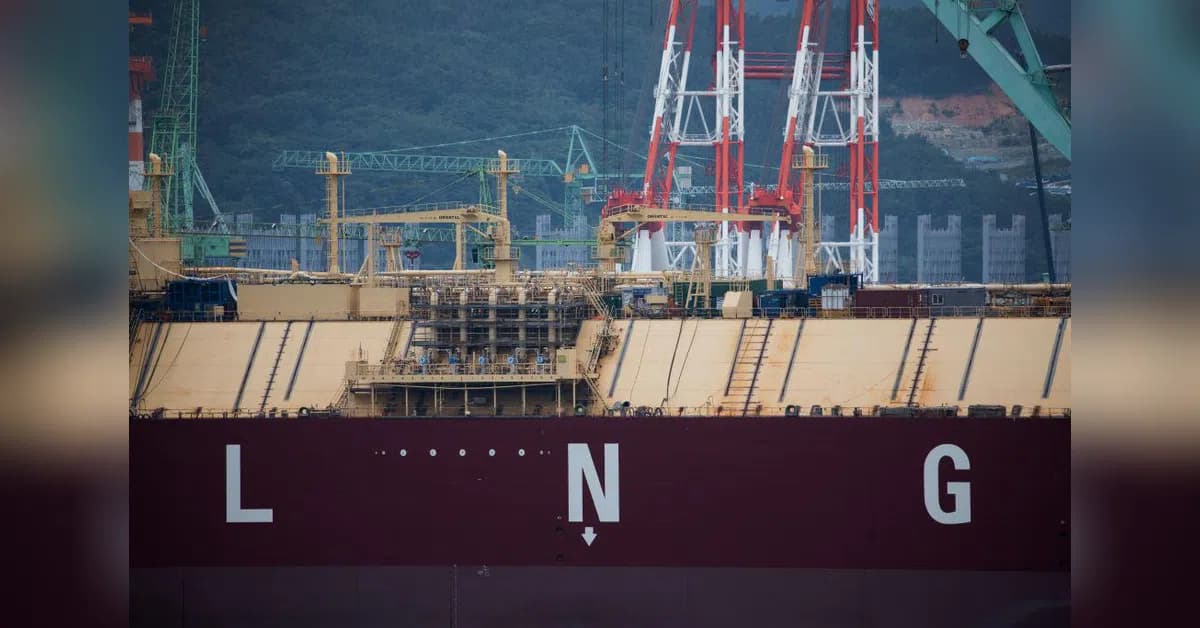
Shell now expects global liquefied natural gas demand to climb to nearly 700 million tonnes a year by 2050, about 65% above 2025 levels, as Asia keeps moving away from coal and data centers add to electricity demand. The forecast in Shell’s LNG Outlook 2026 is well above the company’s 2025 call for about 60% demand growth by 2040.
Global LNG trade totaled 422 million tonnes in 2025, and volumes were expected to keep rising in 2026 before shipping disruption through the Strait of Hormuz, after the West Asia conflict began, shut in about one-fifth of monthly global LNG supply. If shipping normalizes this summer, 2026 trade could end up close to 2025 levels before growth resumes in 2027.

The market has been cushioned by new liquefaction capacity in North America, better plant performance and slower Asian imports. Long-term contracts, portfolio flexibility and LNG’s role in energy security have helped it hold up despite geopolitical shocks. Gas markets only gradually rebalanced in 2024 and 2025 after the 2022/23 supply shock, with prices still well above historical levels and demand growth especially constrained in price-sensitive Asian markets, the International Energy Agency found.
The International Energy Agency expects around 300 billion cubic metres a year of new LNG export capacity worldwide by 2030, mainly from the United States and Qatar. That buildout would deepen the U.S. role in global gas trade and could tighten the domestic market if export demand keeps rising faster than supply, leaving American gas prices more exposed to overseas demand and shipping disruptions.
LNG can help Asian economies cut coal use and lower local emissions, but it still extends fossil-fuel infrastructure into a period when governments are promising deeper decarbonization. Shell’s 2026 Energy Security Scenarios link geopolitical tensions and the AI revolution to the global energy system, while the International Energy Agency expects electricity generation for data centres to rise from 460 TWh in 2024 to more than 1,000 TWh in 2030 and 1,300 TWh in 2035.
This article was produced by Prism’s automated news system from verified source data, official records, and press releases, then run through automated quality and moderation checks before publishing. The system is built and supervised by the people who set the standards it runs under. Read our full AI policy.
Did this article answer your question?