Shell knew Nigeria pipeline was polluting, leaked documents show
Leaked Shell documents show the company kept a Nigeria pipeline running for years despite pollution warnings, while Bille and Ogale residents say their water and livelihoods were poisoned.
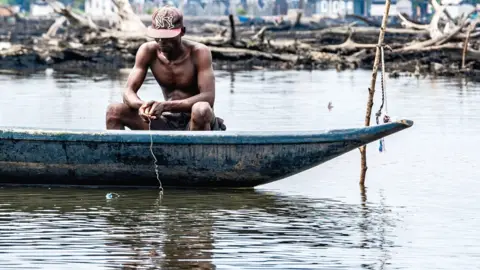
Shell is facing fresh scrutiny after internal documents reportedly showed the company kept a major oil pipeline in Nigeria operating for years even as evidence mounted that it was causing widespread pollution. The documents point to warnings from Shell staff and to the company’s own technical standards, raising new questions about how long the damage was understood inside one of the world’s biggest oil firms.
Shell said the papers did not reflect the critical context of the operating environment at the time. In court papers tied to the wider dispute, the company has argued that most of the pollution was driven by large-scale oil theft, sabotage and dozens of illegal refineries, not only by failures in its own system. That defense sits at the center of a long-running fight over responsibility in the Niger Delta, where residents and environmental groups say corporate operations left lasting harm that was never fully repaired.
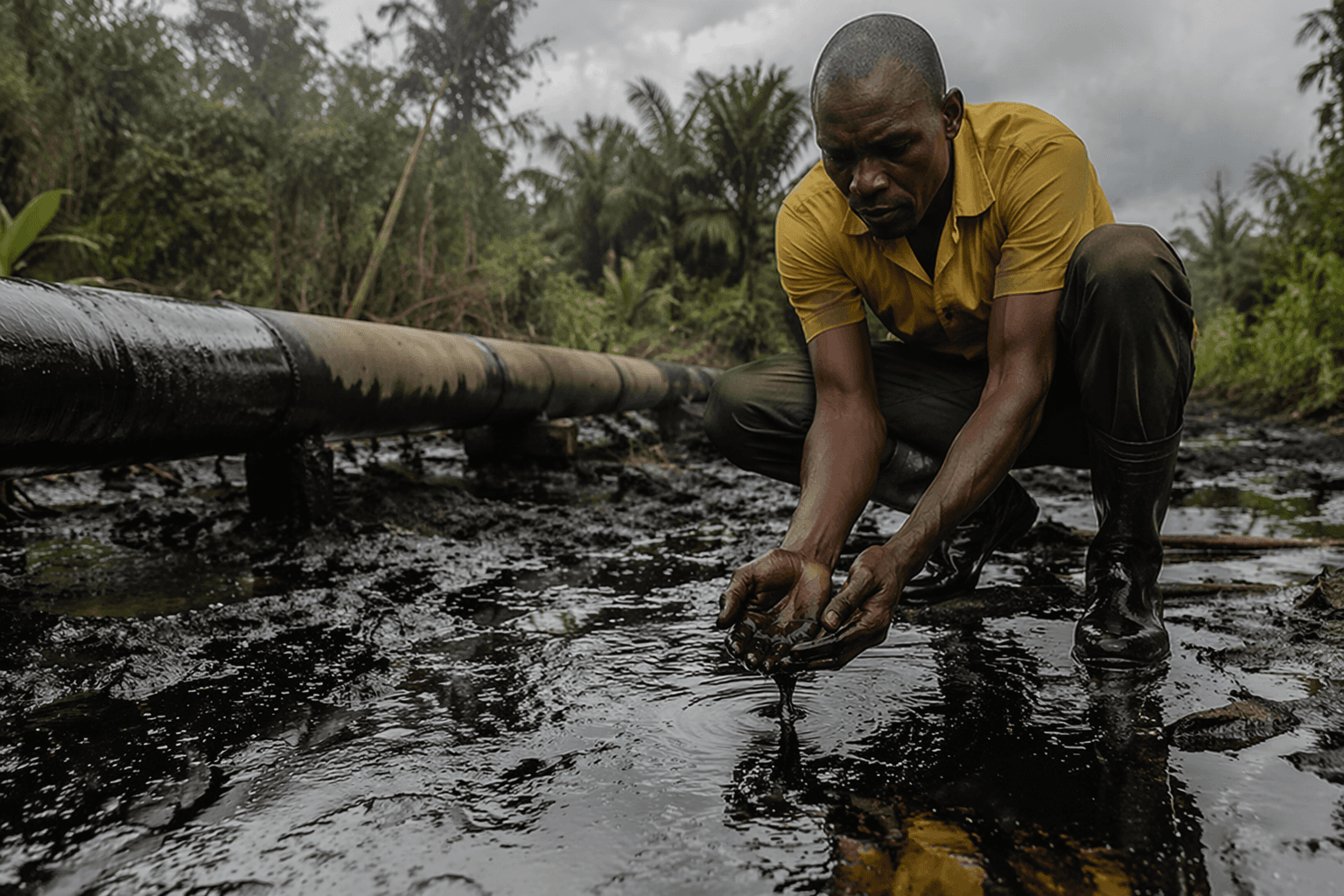
The case is being brought by the Bille and Ogale communities in Rivers State, with a combined population of about 50,000. The communities say chronic oil spills have stripped them of clean drinking water and made it impossible to farm and fish, damaging homes and livelihoods across years of contamination. They began legal action in 2015, after saying hundreds of spills from Shell infrastructure wrecked the land and waterways they depend on.
The legal battle has already moved through a key stage in London. A UK High Court trial on preliminary issues ran from February 13 to March 10, 2025. In June 2025, the court ruled that Shell plc and its former Nigerian subsidiary can be held legally responsible for historic oil pollution, clearing the way for a full trial now expected in 2027.

The dispute also lands in a much broader history. Shell and other oil majors have operated in Nigeria since the 1950s, and decades of pollution across the Niger Delta have brought severe environmental and human damage that communities say has not been adequately cleaned up. Amnesty International has said repeated spills over decades have affected rights to life, health, water, food and a healthy environment. UN-linked voices have also warned that divestment does not erase Shell’s responsibility for legacy pollution.

For Bille and Ogale, the leaked documents deepen a central question that has followed the company for years: whether environmental harm was treated as an unavoidable cost of doing business, or as a risk Shell could have done far more to stop.
This article was produced by Prism’s automated news system from verified source data, official records, and press releases, then run through automated quality and moderation checks before publishing. The system is built and supervised by the people who set the standards it runs under. Read our full AI policy.
Did this article answer your question?


