Shia LaBeouf says ‘big gay people are scary’ after Mardi Gras arrest
Shia LaBeouf told YouTuber Andrew Callaghan he fears "big gay people" after a New Orleans Mardi Gras arrest, a case that produced battery charges and a judge-ordered rehab plan.
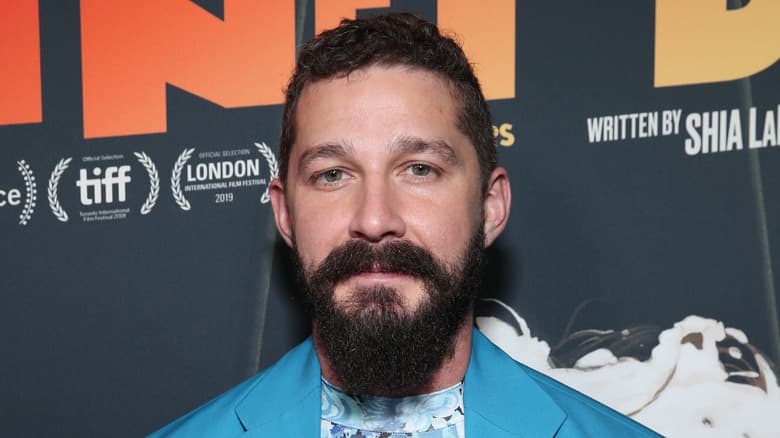
Shia LaBeouf told YouTuber Andrew Callaghan in an interview released Saturday that "big gay people are scary to me" after he was arrested in New Orleans and charged with two counts of simple battery in an altercation during Mardi Gras celebrations. The comments and the arrest have renewed scrutiny of the actor's behavior and raised questions about violence, addiction and accountability amid crowded public festivals.
Police say the confrontation occurred outside a Royal Street business and involved two people whom officers allege LaBeouf hit during the incident. "LaBeouf then reportedly assaulted another person, punching him in the nose," a police statement reproduced in reporting said, adding that LaBeouf "was again held down until police arrived." Authorities also said he was arrested upon his release from the hospital that day for treatment "of unknown injuries." BuzzFeed reported the initial arrest as occurring on Feb. 17; other outlets described it more generally as happening earlier this month.
In the Callaghan interview, LaBeouf offered an account that differs from police descriptions and spoke candidly about his response to being touched. "When I'm like standing by myself and three gays are next to me, touching my leg, I get scared. I'm sorry. If that's homophobic, then I'm that. Yeah," he said, later adding, "I'm good with gay, be gay over there, though. Don't be gay in my lap." He acknowledged intoxication and attempted self-analysis: "That's why. I was drunk and it's Mardi Gras. So, everything I'm saying is nonsense." He also said, "I think it's something that has to do with anger and ego more so than my drinking," and added that he is "trying to navigate" his problems and will "figure it out."
Legal developments have moved quickly. Variety reported that a judge ordered LaBeouf to enter rehab and submit to weekly drug tests earlier in the week, a judicial decision that frames the episode as intertwined with substance use and mental-health concerns. In a subsequent report, one outlet said an additional battery charge was filed and that LaBeouf was arrested again on Feb. 28 after another alleged victim came forward.
The case sits at the intersection of public safety, LGBTQ community vulnerability and the criminal-justice system's response to substance-related offenses. Public-health experts note that interpersonal violence at mass gatherings can heighten trauma and reduce a sense of safety for already marginalized groups. When homophobic language or alleged slurs are part of an incident, victims and witnesses often face compounded harm: immediate physical injury and longer-term psychological impact that can deter reporting and help-seeking.
Court-ordered treatment plans, such as the rehab and testing mandated in LaBeouf's case, reflect one approach to addressing substance-related behavior in criminal cases. Such orders also spotlight systemic gaps: access to culturally competent mental-health and addiction services, equitable enforcement across populations, and whether mandated programs are resourced to meet needs. Those questions gain urgency when alleged victims are members of communities that historically experience barriers to justice and care.
LaBeouf has a history of run-ins with New Orleans authorities; he was arrested there in 2017 on suspicion of public drunkenness, an episode that the Associated Press reported included racist remarks to police before the allegations were later dropped after an apology. BuzzFeed and other outlets note a 2020 lawsuit by his ex-girlfriend, FKA twigs, alleging abuse that was privately settled last year. A representative for LaBeouf did not immediately return a request for comment.
Police reports, court filings and the full Callaghan interview remain central to clarifying the sequence of events, the number and nature of charges, and the identities and welfare of alleged victims. The case continues to develop, with potential additional filings and court dates expected as prosecutors assess evidence and victims' statements.
This article was produced by Prism’s automated news system from verified source data, official records, and press releases, then run through automated quality and moderation checks before publishing. The system is built and supervised by the people who set the standards it runs under. Read our full AI policy.
Did this article answer your question?