Shipping firms stay cautious on Strait of Hormuz reopening after U.S.-Iran deal
Shippers want safety proof before returning to Hormuz, even as the deal sent oil prices down about 5% and only one LNG tanker moved Monday.

Shipping firms are not rushing back into the Strait of Hormuz, even after a U.S.-Iran framework deal to reopen the chokepoint. Executives in Asia and Europe said confidence could take weeks to rebuild, with insurers, operators and charterers still waiting for clear safety assurances before restoring normal traffic.
The deal is expected to be signed Friday as a memorandum of understanding. Markets reacted immediately, with global oil prices falling about 5% as traders priced in the possibility that disrupted supply flows could return. But the freight market has not snapped back. Donald Trump said oil-laden vessels had begun moving through what he called the “Southern Highway,” yet vessel-tracking data showed no broad surge in transits on Monday.
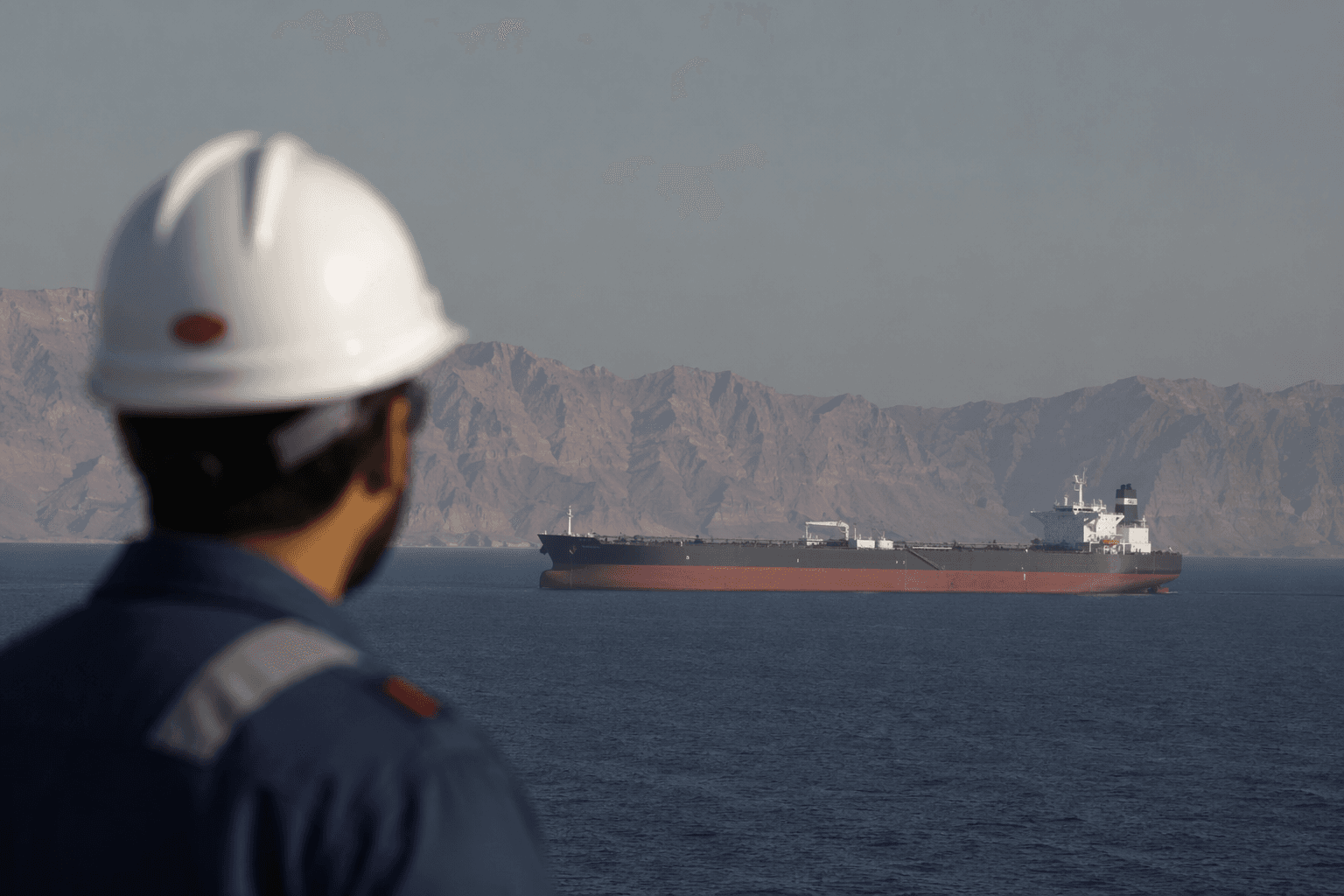
India’s Petronet LNG sent the tanker Disha through the strait, the only clearly identified commercial vessel transit that day. The ship had loaded at Qatar’s Ras Laffan terminal in early March and was scheduled to reach India on June 18. Shipping data also showed dozens of tankers still positioned on both sides of the strait, while some vessels continued along Oman’s coastline with limited tracking signals under naval protection.
BIMCO warned that transit through the strait remained dangerous, citing mines and maritime security risks. Jakob Larsen, BIMCO’s chief safety and security officer, said the next step is for shipowners to be reassured that crossing the Strait of Hormuz is not only permitted, but safe. Industry groups in Japan and Italy also urged caution, saying they still wanted clearer implementation details and noting that earlier ceasefire announcements in the region had not delivered lasting stability.
The stakes are unusually high because the Strait of Hormuz handles roughly one-fifth of global oil and liquefied natural gas flows. Traffic has been severely reduced since the conflict began on February 28 with U.S.-Israeli strikes that disrupted shipping and energy movements across the Gulf. Five Western maritime security sources said mine clearance could take 40 to 50 days before many insurance, shipping or oil companies would feel confident enough to sail through again.
That hesitation has a direct cost. A supertanker and its crude cargo can be worth about $300 million, which leaves war-risk underwriters and vessel operators reluctant to move without verified mine-free routes. On June 2, Marco Rubio said Iran had mined large segments of Hormuz, and on June 11 Germany’s navy said mines had been identified in four locations around the strait, though Germany said it could not independently verify the locations. Persian Gulf energy officials also said they were fielding heavy inquiries from buyers asking whether oil could now move through the waterway. Even without a fresh attack, the reopening will likely be measured in weeks, not hours, and the inflation risk from higher freight and insurance costs may linger long after the diplomacy is signed.
This article was produced by Prism’s automated news system from verified source data, official records, and press releases, then run through automated quality and moderation checks before publishing. The system is built and supervised by the people who set the standards it runs under. Read our full AI policy.
Know something we missed? Have a correction or additional information?
Submit a Tip