Shooting victim sues AI gun detection firm over failed warning
A student wounded in the Antioch High School shooting says Omnilert's AI gun detector was sold as life-saving protection, then missed the handgun before shots were fired.

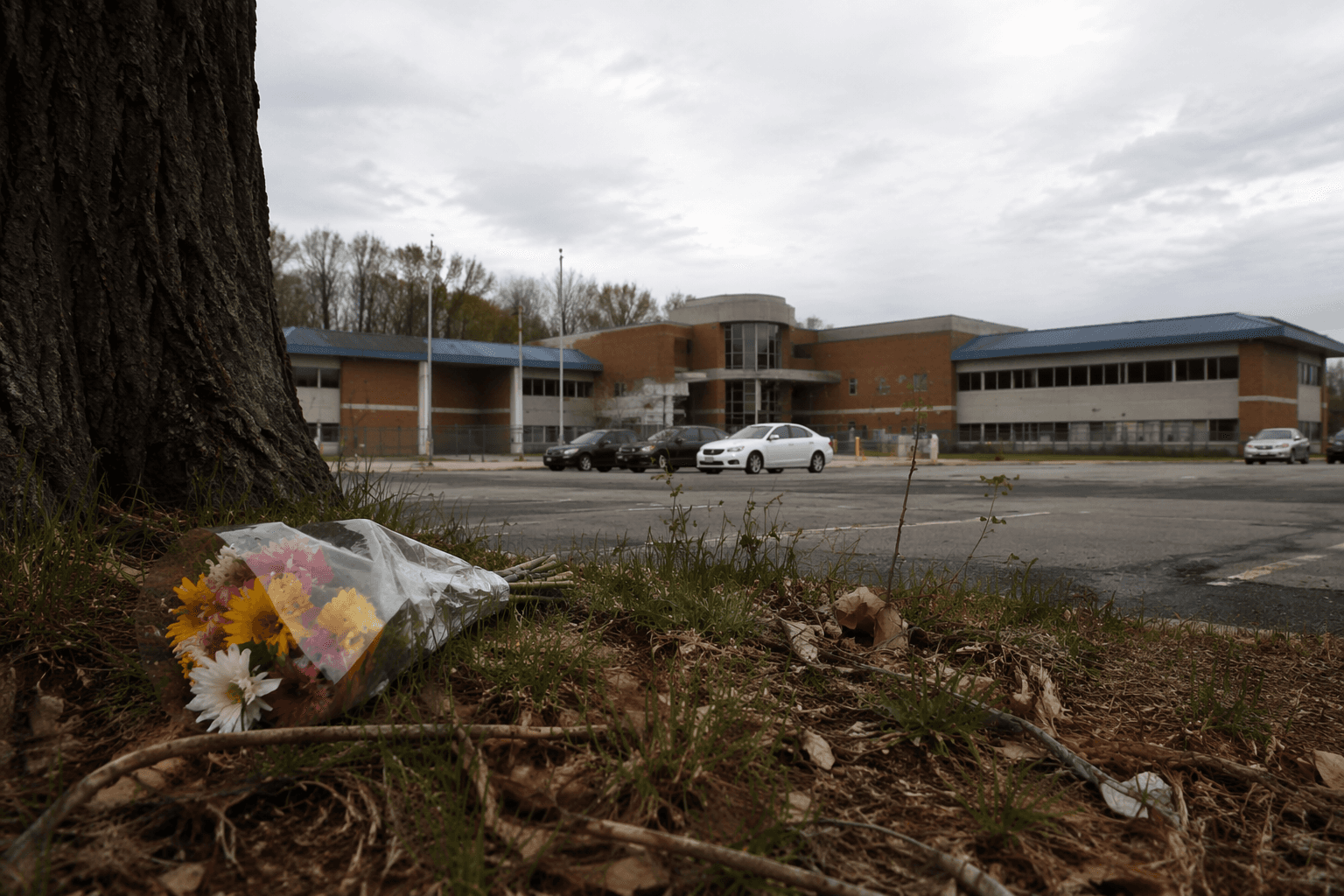
A wounded Antioch High School student is now putting a legal price on a promise that schools have been sold for years: that AI can spot a gun fast enough to stop a shooting. Antonyous Henin says Omnilert’s weapon-detection system failed in the Nashville cafeteria attack that killed 16-year-old Josselin Corea Escalante and ended only when 17-year-old Solomon Henderson died by suicide.
Henin filed suit May 1, 2026, in Davidson County Circuit Court against Omnilert LLC and System Integrations, Inc., the Tennessee company that installed and maintained the system for Metro Nashville Public Schools. The complaint says the technology was marketed as a “life-saving” tool that could detect firearms “before a shot is fired,” but did not flag Henderson’s handgun before the attack began.
The lawsuit centers on a question schools, vendors, and regulators are still struggling to answer: how accurate is accurate enough when the product is pitched as protection? Henin alleges product liability, negligent misrepresentation, and violations of Tennessee consumer protection law. It also says MNPS paid more than $1 million for the system under a contract that began in 2023.
District officials said the system failed because Henderson was not close enough to the cameras for an accurate read. Omnilert chief executive Dave Fraser said the firearm was not visible and that the system does not work perfectly all the time. Those explanations now sit at the heart of a case that will test whether a company can market an AI security tool as a safeguard while acknowledging that it depends on camera placement, visibility, lighting, and distance.
Henin’s complaint says Omnilert did not disclose those limits clearly enough before the shooting. It also says the company changed language on its website after the attack, removing claims such as “unparalleled reliability” and “saves lives” and adding disclosures about false alerts. That shift could matter as much in court as the missed detection itself, because it goes directly to what schools were told they were buying.
The case lands in a wider backlash against AI weapons scanners. In November 2024, the Federal Trade Commission accused Evolv Technology of deceptively advertising its scanners, saying the company’s systems were used in more than 800 schools. The commission said Evolv overstated the accuracy and speed of its technology, a warning that now hangs over every school district considering whether AI security is a proven safeguard or a costly layer of reassurance.
This article was produced by Prism’s automated news system from verified source data, official records, and press releases, then run through automated quality and moderation checks before publishing. The system is built and supervised by the people who set the standards it runs under. Read our full AI policy.
Did this article answer your question?