Short Paved 0.4-Mile Loop Leads to 442-Foot ʻAkaka Falls
A paved 0.4-mile loop brings visitors to 442-foot ʻAkaka Falls and nearby Kahūnā Falls, a high-impact stop on the Hamākua Coast that shapes parking, traffic, and local tourism.
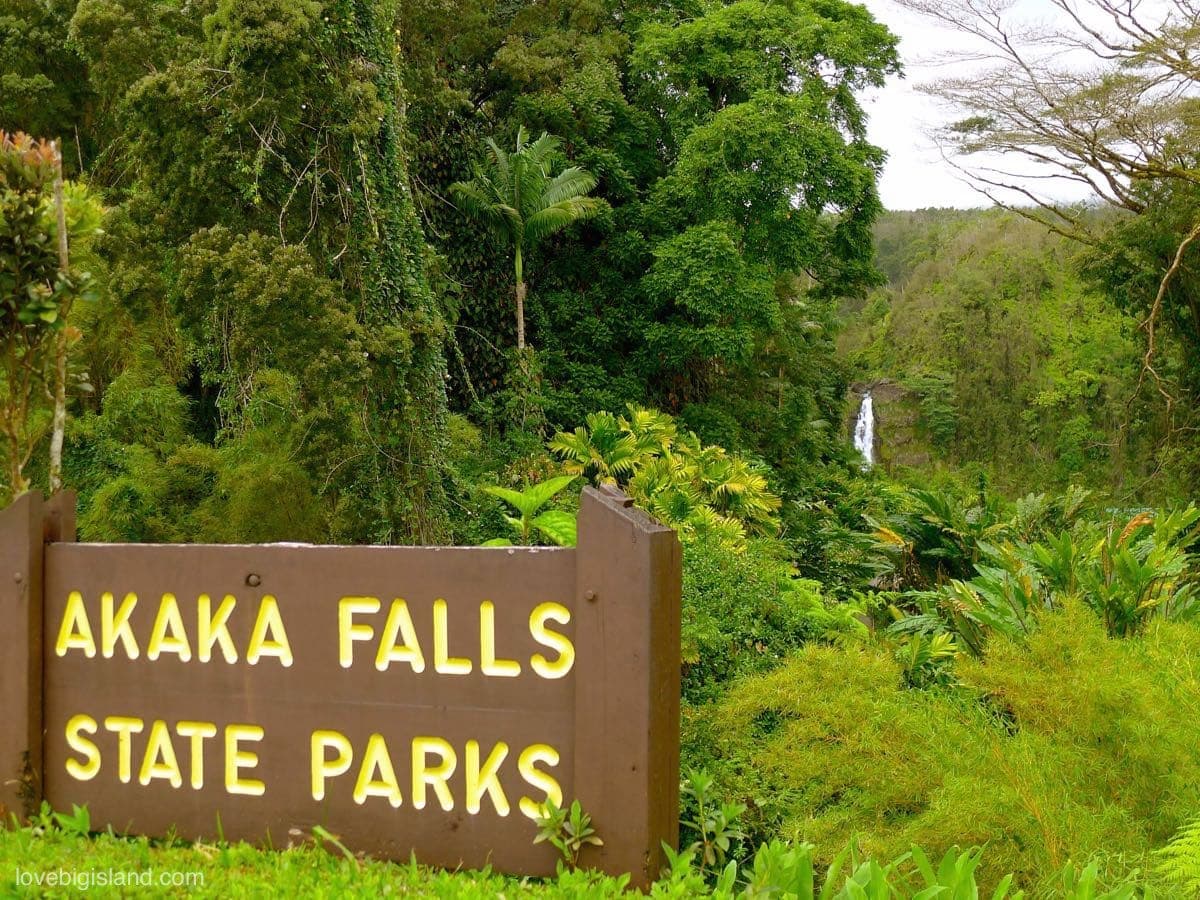
A short paved loop trail at ʻAkaka Falls State Park delivers some of the East Hawaiʻi coast’s most dramatic scenery in a brief visit, drawing steady traffic to the Hamākua Coast north of Hilo. The 0.4-mile loop threads through tropical rainforest to viewpoints for ʻAkaka Falls, approximately 442 feet tall, and the adjacent Kahūnā Falls. The walk is short but includes steps; parking is modest, and the site is widely recognized as a must-see on the scenic drive through East Hawaiʻi.
For Big Island County residents, the trail’s accessibility concentrates visitor activity into a compact footprint. The paved, short-access nature stop creates intense demand for limited parking spaces and quick turnover on the roadside, particularly during peak daylight hours and tourist seasons. That pattern has direct local consequences for traffic flow on the Hamākua Coast, for nearby businesses that rely on scenic-drive visitors, and for county maintenance priorities tied to trails and roadside safety.
The site’s appeal is straightforward: a brief, family-friendly walk offers rainforest plantings and reliable photographic opportunities with minimal exertion. That accessibility makes ʻAkaka Falls a frequent first or last stop for visitors doing the East Hawaiʻi loop, increasing exposure for Hilo-area lodging, restaurants, and retail. At the same time, the concentration of visitors in a small area increases wear on infrastructure and heightens the importance of managing parking and pedestrian access to preserve both safety and the park’s ecological character.
Policy options for local planners range from modest operational adjustments to targeted investments. Parking signage, timed entry during peak hours, and improved shuttling or transit links from nearby hubs could ease roadside congestion without altering the trail experience. Small capital improvements such as stabilized parking shoulders, reinforced trail steps, and interpretive signage would address safety and conservation goals while enhancing visitor flow and capturing longer stays that benefit local businesses.
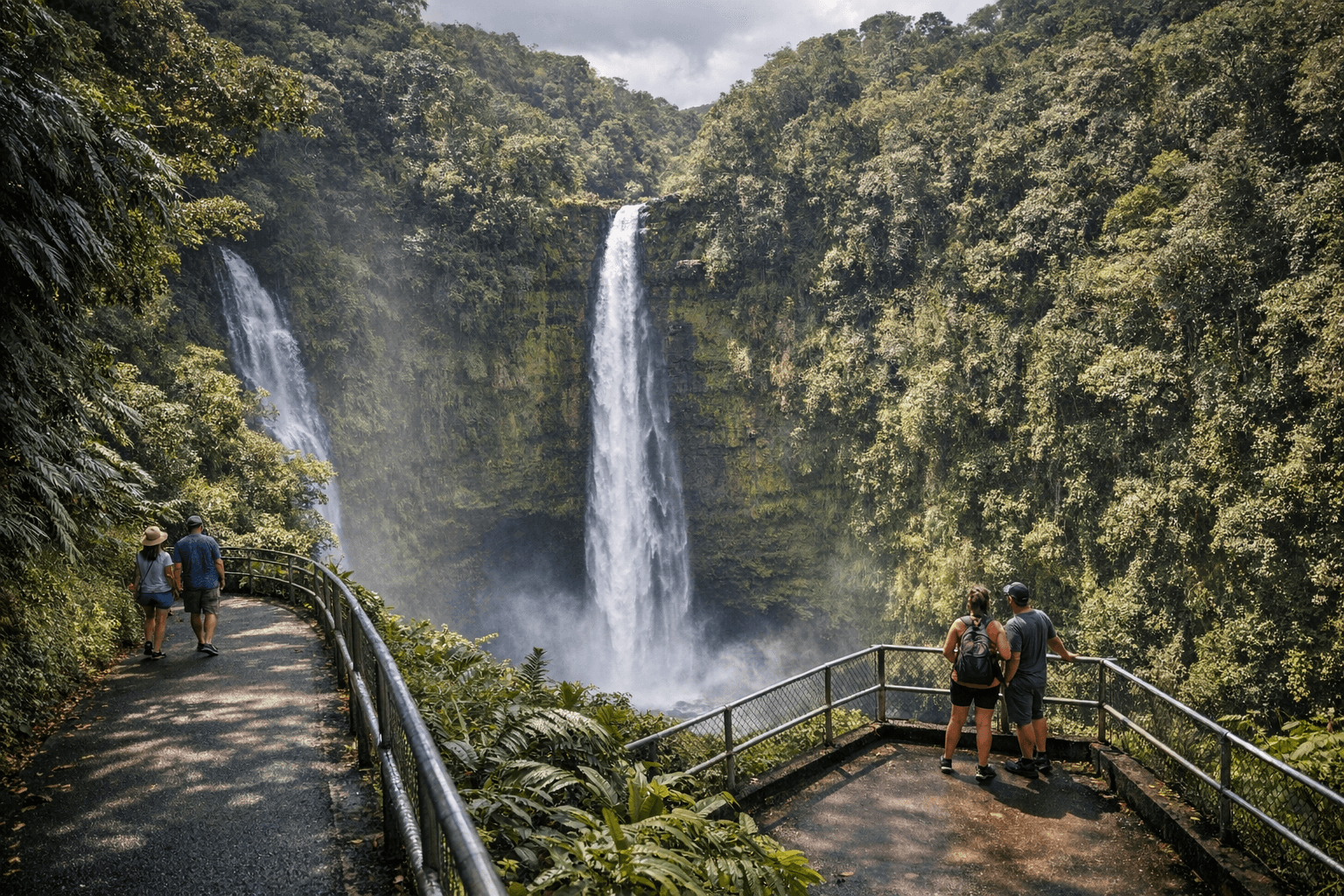
Longer-term, the falls exemplify a broader regional trend: short, high-yield natural attractions concentrate tourism impacts and therefore require calibrated responses that balance visitor access with community quality of life. For residents, that means planning trips around peak hours, supporting local initiatives that improve parking and trail safety, and recognizing that even a 0.4-mile loop can have measurable economic and traffic effects across the Hamākua Coast.
What comes next is management rather than mystery: keeping ʻAkaka Falls welcoming and safe for both visitors and locals will depend on operational measures and small infrastructure investments that reflect the loop’s outsized role in Big Island tourism and daily life.
Sources:
Know something we missed? Have a correction or additional information?
Submit a Tip