Short sellers bet against SpaceX as post-debut losses mount
SpaceX short interest climbed to about 196 million shares, or 31% of the float, even as bearish traders booked about $760 million in paper losses.
Short sellers had pushed their bet against SpaceX to about 196 million shares, or roughly 31% of the free float, even as Ortex estimated they were sitting on about $760 million in mark-to-market losses since the IPO. The position has swollen with unusual speed for a stock that has been public for less than a month, turning a bearish call into one of the market’s most crowded new trades.
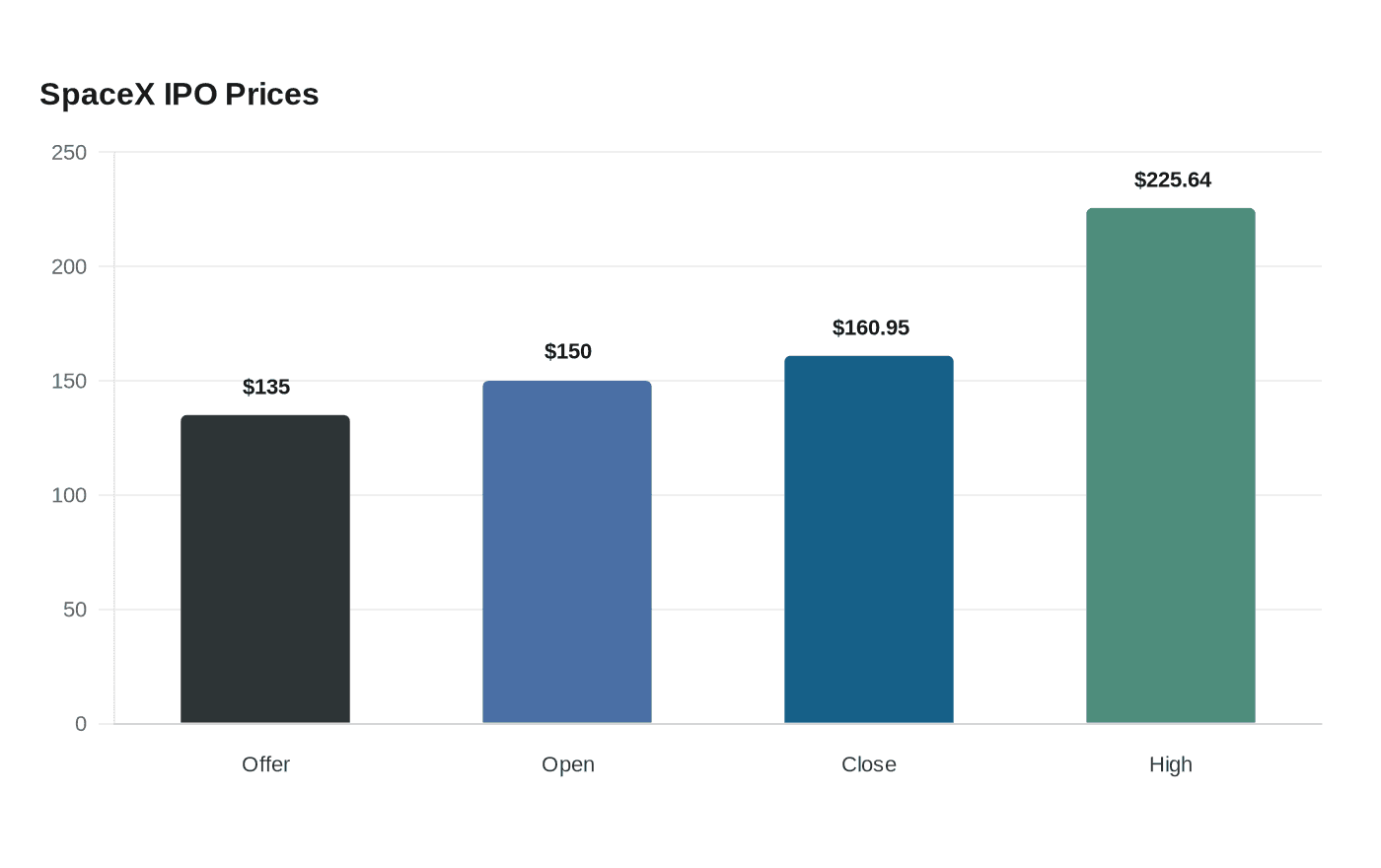
The surge built on a volatile first stretch of trading. SpaceX opened at $150 on its first day on the Nasdaq under the ticker SPCX and closed at $160.95, up 19% from the $135 offer price. In the days that followed, the shares reached an intraday high of $225.64 before sliding about 30% from that peak, a reversal that encouraged traders looking for more downside and punished those who had expected a steady post-listing rally to continue.

That retreat matters because of the size of the bet. Reuters said short interest had already risen to about 83 million shares, or 13% of the free float, up from 8% in the prior session, as of June 24. By July 1, that figure had more than doubled to 196 million shares, a jump that underscores how quickly bearish positioning can build around a newly tradable marquee name.
Peter Hillerberg, co-founder of Ortex Technologies, called the pace extraordinary for a stock that had only recently started trading, saying the short interest was building remarkably fast for a company that had been public only a couple of weeks. The mechanics of the trade raise the stakes further: Reuters said every $1 move in SpaceX shares can translate into about $200 million in gains or losses for shorts, making even modest price swings painfully expensive.
SpaceX’s valuation is the other side of the wager. The IPO raised about $75 billion and valued the company at about $1.77 trillion at pricing, while Reuters later said its market capitalization had climbed above $2 trillion. That scale, combined with lingering questions over governance and a rich valuation, has made the stock a natural target for skeptics. Borrow costs were still around 1%, leaving room for more pressure if the stock rebounds and forces shorts to cover, a setup that could turn a crowded bearish trade into a squeeze in a hurry.
This article was produced by Prism’s automated news system from verified source data, official records, and press releases, then run through automated quality and moderation checks before publishing. The system is built and supervised by the people who set the standards it runs under. Read our full AI policy.
Did this article answer your question?