Siemens Energy weighs spinoff of industrial unit after margin review
Siemens Energy is studying whether to split off Transformation of Industry, a €2.7 billion business that could help lift margins and test Europe’s industrial-transition playbook.

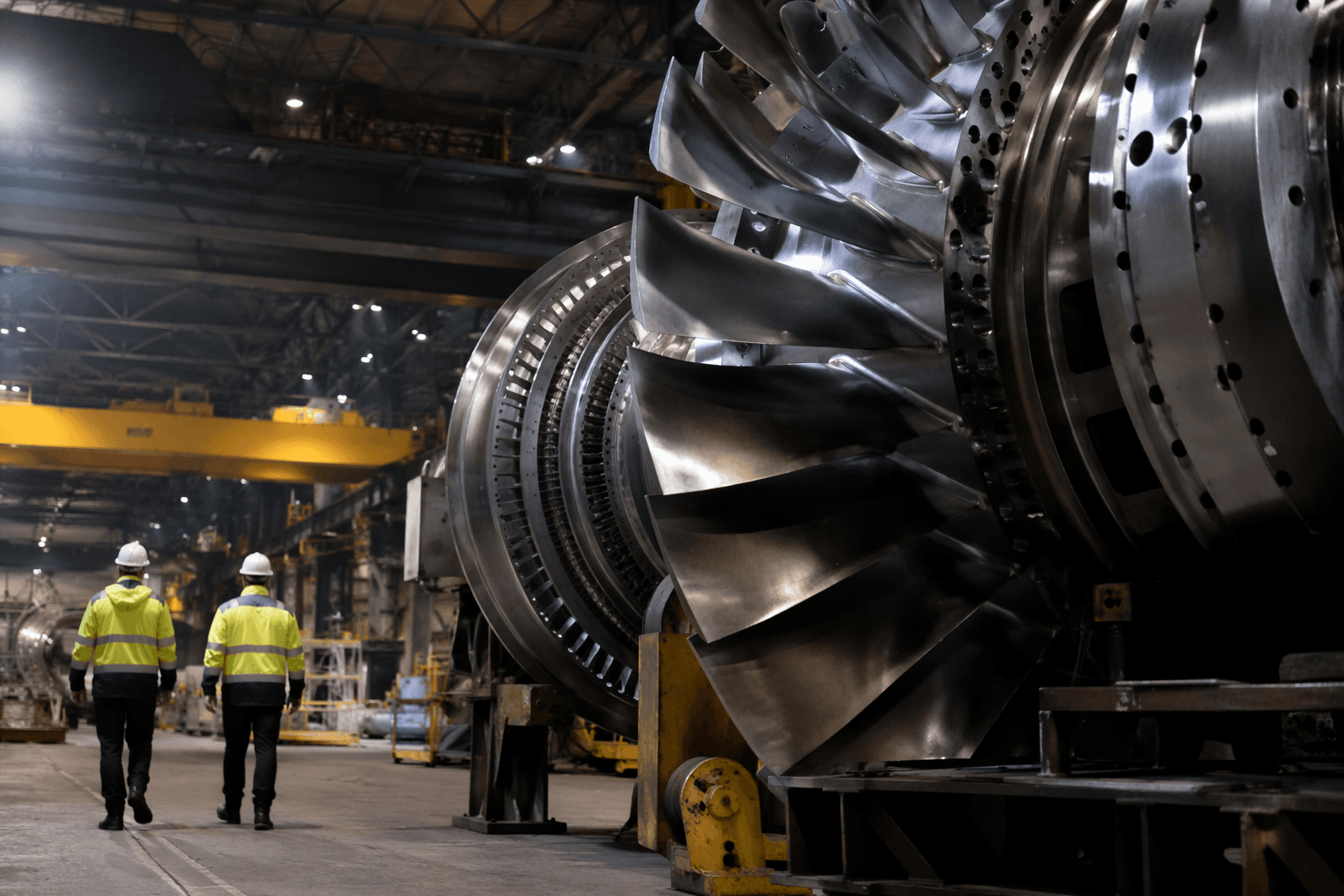
Siemens Energy is weighing a separation of its Transformation of Industry unit, a legacy business built around compressors, steam turbines and related industrial equipment, as it reviews how much value the division can create inside the group. The move would be more than a cleanup of the portfolio: it would amount to a judgment on whether Europe still wants to keep heavyweight gas infrastructure and industrial machinery under the same roof as faster-growing grid and power businesses.
Transformation of Industry generated about €2.7 billion of revenue in the first six months of the fiscal year, or 13.5% of Siemens Energy’s €20 billion in sales, and employed about 17,000 people. Internal strategists have reportedly argued that a split could improve margins and unlock more value for shareholders over time. One scenario under discussion would see Siemens Energy first divest about 60% of the unit while retaining a 40% stake, with a later spin-off or IPO also possible.
The timing is striking because Siemens Energy is not acting from distress. The company said all segments improved profitability in fiscal 2025, when revenue reached €39.1 billion, orders rose to €58.9 billion and the order backlog hit a record €138 billion. By May 12, Siemens Energy had raised its outlook again, citing record orders of €17.7 billion in the second quarter of fiscal 2026 and a backlog that climbed to €154 billion. It also lifted its full-year FY2026 revenue-growth and cash-flow targets, underscoring that the company is operating from a position of strength.
That makes the potential restructuring a question of strategic focus. Siemens Energy’s reporting structure comprises Gas Services, Grid Technologies, Transformation of Industry and Siemens Gamesa, but the company has been signaling that investors should judge each business on its own economics. In its strategy materials, Transformation of Industry was described as serving energy-intensive industries with compressors, steam turbines, generators, electrification, automation, digitalization and electrolyzers, and as having already completed a turnaround to a double-digit profit margin by fiscal 2025.
The broader backdrop is the company’s own history. Siemens Energy was created in 2020 when Siemens AG spun off its Gas and Power operations and its stake in Siemens Gamesa, a reminder that portfolio simplification has been part of the group’s identity from the start. Siemens Energy employs about 103,000 people in more than 90 countries, so any structural change to Transformation of Industry would resonate well beyond Munich, touching customers and suppliers across Europe, the United States and EMEA.
Investor reaction was immediate, with Siemens Energy shares rising 5% after the report. Shareholders had already approved a €0.70 per share dividend for fiscal 2025 with 99.99% of votes on February 26, a sign that management is pairing restructuring with financial normalization. For Europe’s industrial strategy, the question is whether a mature turbines-and-compressors business belongs inside a modern energy champion, or whether the next phase of the transition now demands a cleaner separation between legacy industry and the technologies meant to replace it.
This article was produced by Prism’s automated news system from verified source data, official records, and press releases, then run through automated quality and moderation checks before publishing. The system is built and supervised by the people who set the standards it runs under. Read our full AI policy.
Did this article answer your question?

%3Amax_bytes(150000)%3Astrip_icc()%2FCertificate-of-deposit-2301f2164ceb4e91b100cb92aa6f868a.jpg&w=1920&q=75)
