Siemens plans 2027 shareholder vote on Healthineers spin-off
Siemens will ask shareholders in February 2027 to approve a direct Healthineers spin-off, a reset that could simplify the group and expose investors to more medical-tech risk.
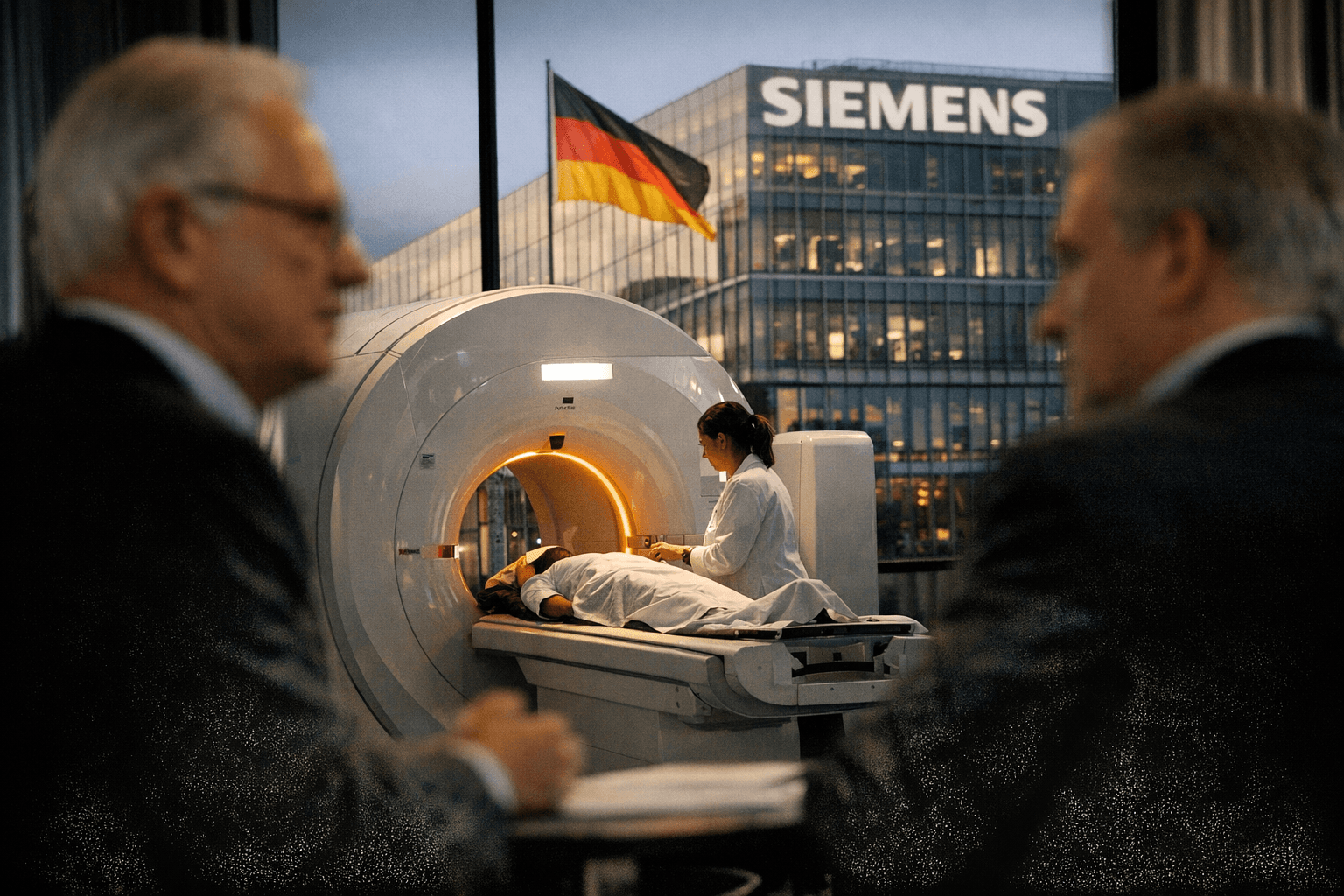
Siemens is setting up a major portfolio reset, with a shareholder vote planned for February 2027 on a direct spin-off of Siemens Healthineers shares. If approved, Siemens AG investors would receive Healthineers stock directly rather than holding it through the parent, a change that would leave the German industrial group more focused and more narrowly defined.
The company said the separation plan was first outlined in November 2025 and that the process has advanced, although final regulatory confirmation is still outstanding. Siemens wants to transfer 30% of Siemens Healthineers shares to Siemens AG shareholders through a direct spin-off, the clearest sign yet that management sees the healthcare business as increasingly distinct from the rest of the group.
That distinction matters because Siemens Healthineers is not a side asset. Headquartered in Erlangen, Germany, it is a global healthcare company built around medical technology and diagnostics, including imaging systems, laboratory diagnostics and advanced therapies. Siemens first spun off the business in 2017 and listed it publicly in 2018, so the new proposal would amount to a second major restructuring step in less than a decade.
For Siemens, the attraction is strategic clarity. The company has spent years simplifying its portfolio, and Healthineers has already been partially monetized: in February 2025, Siemens cut its stake by placing shares worth about 1.4 billion euros. The latest move would go further, turning a majority-owned listed healthcare arm into a direct holding for Siemens shareholders and reducing the amount of capital tied up in a structure that management says no longer fits the company’s long-term profile.
The investment case is straightforward. Siemens is arguing that a cleaner breakup could unlock long-term value by allowing the market to price the industrial technology business and the healthcare business on their own merits. That could sharpen valuation, especially because Healthineers has a different growth path from Siemens’ automation and infrastructure businesses, with exposure to hospital spending, diagnostics demand and medical imaging cycles rather than factory digitization alone.
The risk for shareholders is just as clear. A direct spin-off would remove a diversification layer that some investors may have preferred, leaving them with fuller exposure to the swings of a standalone healthcare technology company. It would also make the payoff more dependent on whether markets award each business a higher multiple once the corporate structure is stripped back. Siemens is betting that the capital-allocation logic outweighs the comfort of the current arrangement.
This article was produced by Prism’s automated news system from verified source data, official records, and press releases, then run through automated quality and moderation checks before publishing. The system is built and supervised by the people who set the standards it runs under. Read our full AI policy.
Did this article answer your question?

