Silicon Valley Congressional Race Turns Ugly as Dirt Flies on Tech Challenger
Anonymous court records targeting tech challenger Ethan Agarwal landed in Silicon Valley newsrooms, exposing a $683K judgment and a lawsuit tied to adult content downloads.

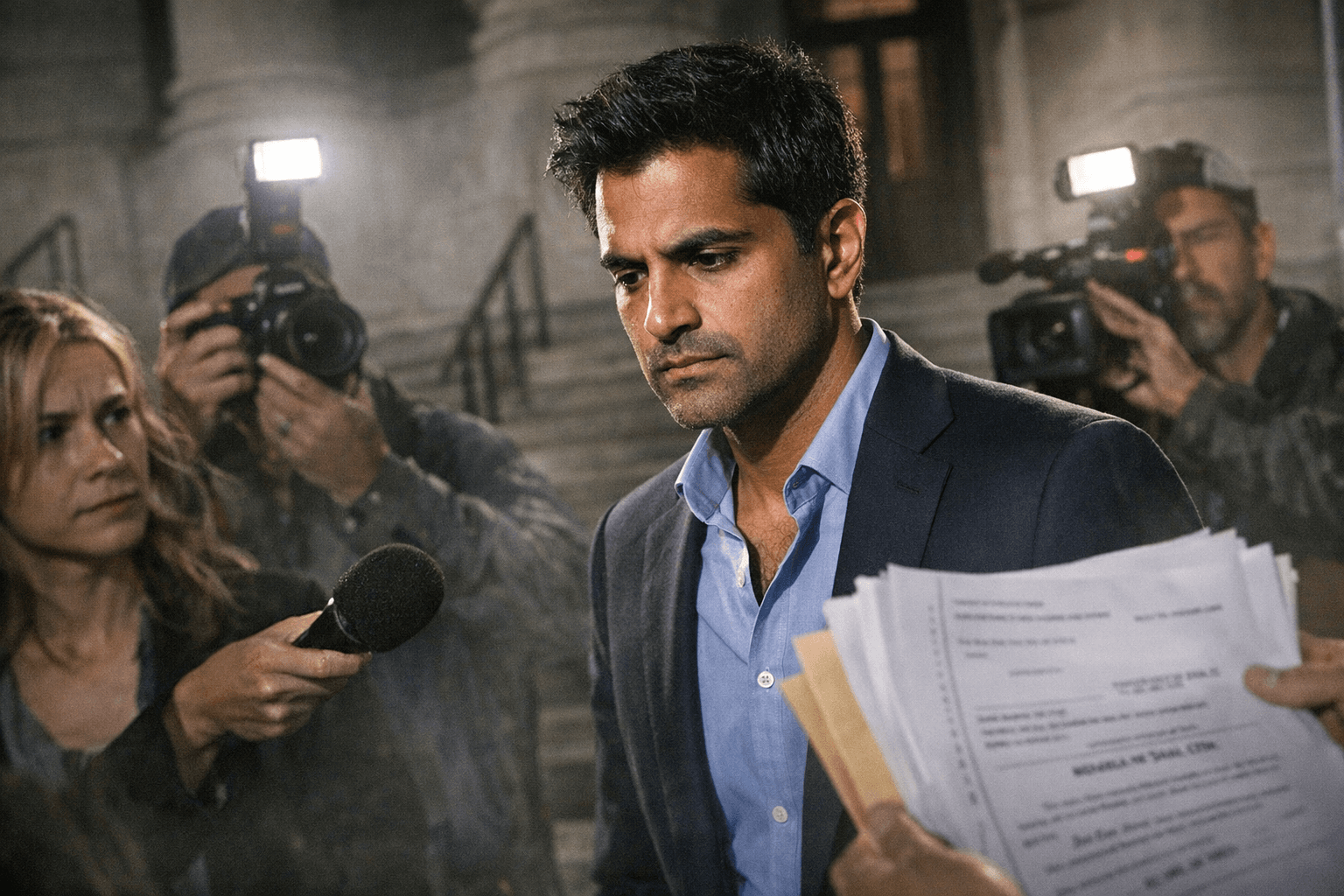
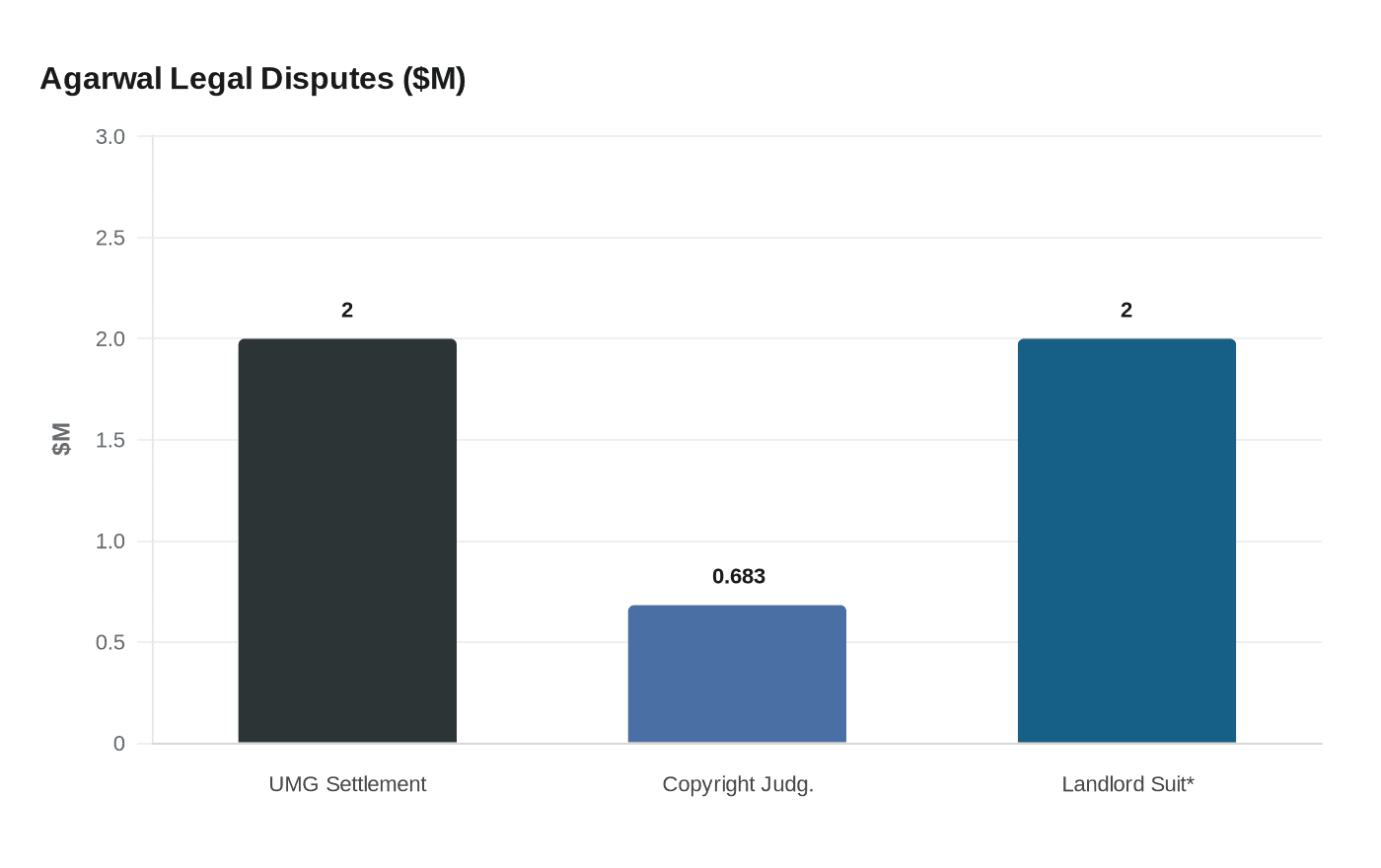
Anonymous packages of digital court records began arriving in Silicon Valley newsrooms, targeting tech entrepreneur Ethan Agarwal just months after he launched a primary challenge against five-term Rep. Ro Khanna in California's 17th Congressional District. The materials, surfacing as the contest sharpened ahead of the June primary, included a $683,000 judgment tied to a $2 million copyright settlement with Universal Music Group involving Agarwal's fitness app company Aaptiv, a nearly $2 million landlord suit over an abandoned office lease at One World Trade Center, and a 2019 federal lawsuit alleging adult content was downloaded from an IP address associated with Agarwal.
Several underlying cases were resolved without the worst outcomes for the challenger. The Malibu Media case, involving the adult content allegation, settled without any finding of liability, and some claims in the landlord dispute were dismissed. Agarwal's company had walked away from the One World Trade Center lease during the pandemic. Rather than dispute the filings' existence, Agarwal turned to social media to confront them directly, writing that "transparency and authenticity is important among political candidates. We're people. We're not perfect."
The opposition research blitz landed in a race already carrying outsized stakes for national tech policy. Khanna, a progressive with a national profile on artificial intelligence regulation and foreign affairs, drew Agarwal's challenge in part because of his support for a proposed California wealth tax: a one-time 5% levy on residents holding more than $1 billion in assets. That position mobilized a constellation of venture capital behind Agarwal, including Chamath Palihapitiya, who publicly defended the challenger after the documents circulated.
The district runs through the heart of Silicon Valley and sits at the center of nearly every live debate between Washington and the technology industry: AI regulation, antitrust enforcement, defense tech contracting, high-skilled worker visas, and elected officials' stock trades. A Khanna loss would remove one of Congress's most prominent AI oversight voices from his seat. An Agarwal victory would signal that organized tech capital can recruit and install its own candidates in districts it considers strategically vital.
The tactic of circulating old court filings carries political risk. Voters attuned to Silicon Valley's tolerance for failure and reinvention may read the disclosures as a smear campaign rather than legitimate vetting, especially given that several underlying cases resolved without adverse findings. But the documents could still harden positions among undecided donors and political activists before ballots are cast.
For Khanna, surviving a well-funded challenger backed by some of the Valley's most prominent venture names would validate his model of progressive representation in a district increasingly restless about redistributive taxation. For Agarwal, absorbing the document dump while keeping his coalition intact is the first real test of whether his candidacy can survive the mechanics of a modern negative primary.
This article was produced by Prism’s automated news system from verified source data, official records, and press releases, then run through automated quality and moderation checks before publishing. The system is built and supervised by the people who set the standards it runs under. Read our full AI policy.
Did this article answer your question?

