Silver surges past $100 an ounce in speculative rally
Silver vaulted above $100 per ounce as retail momentum and tight physical supply intensified a rapid rally, raising concern of a sharp correction.
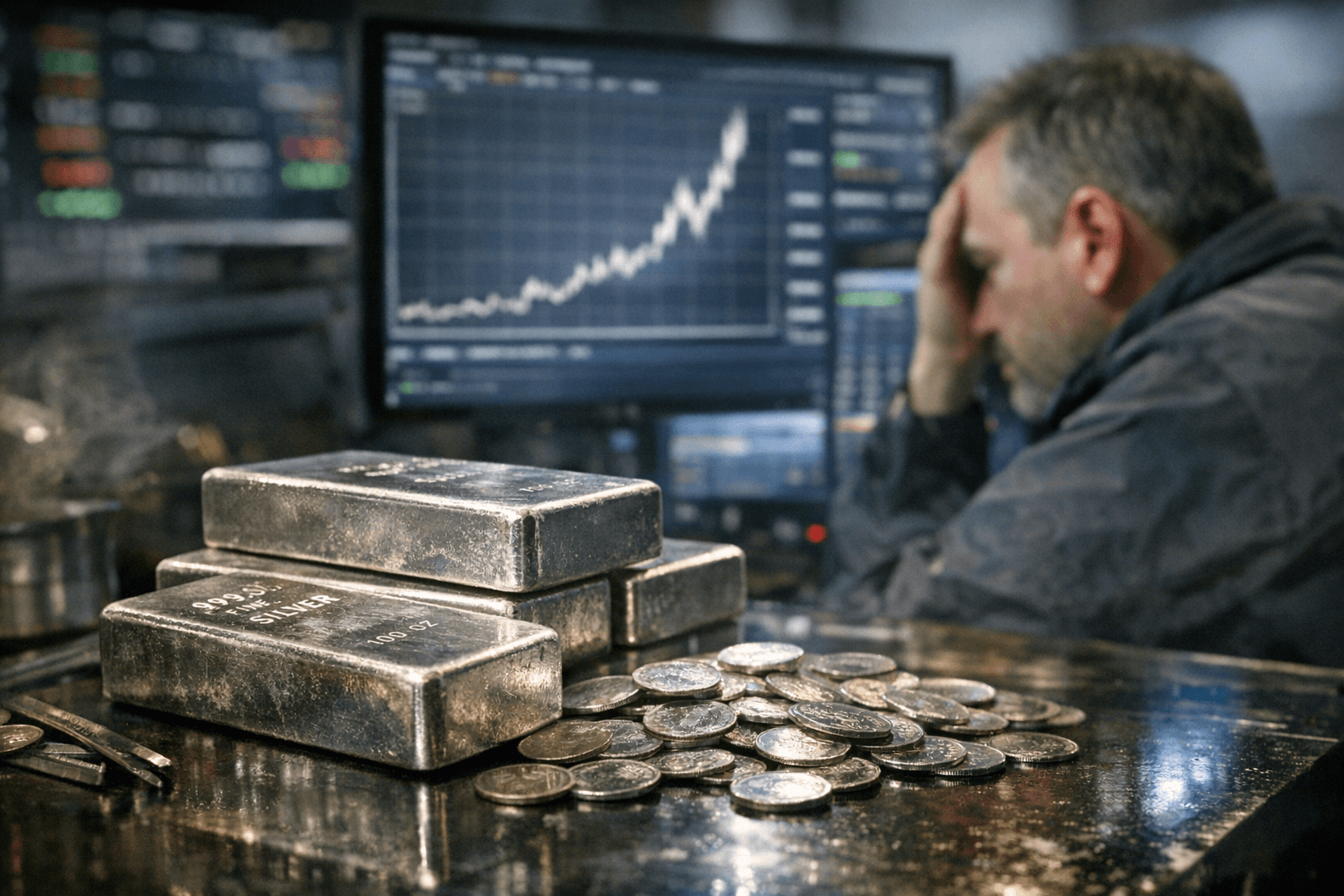
Silver prices shot past $100 per ounce on Jan. 23, 2026, extending a dramatic rally that began in 2025 and pushing one of the oldest traded commodities into territory few market participants expected. The advance has been driven primarily by momentum-driven retail buying and strains in the physical market, creating a blend of speculative fervor and real-world scarcity that traders say elevates volatility risks.
The jump reflects an unusually rapid re-pricing of a metal that serves both as an industrial input and a store of value. Retail investors have played an outsized role, piling into coins, bars and exchange-traded products that track silver exposure. At the same time, bullion dealers and refineries report tighter inventories and longer delivery schedules, which have amplified price moves by moving the market from paper to physical settlement in key trading hubs.
Market mechanics are central to the current episode. Momentum buying can feed on itself through algorithmic strategies and social trading channels, squeezing short positions and forcing additional buying. When physical supplies are thin, even modest speculative activity can translate into outsized price pressure because traders and consumers must settle in bullion rather than unwind paper contracts.
The surge has immediate market implications. Miners and bullion dealers could benefit from higher nominal revenues, but elevated prices also invite higher royalty and tax liabilities in several jurisdictions and may prompt some companies to accelerate production plans. Conversely, industrial users that rely on silver for electronics, solar panels and medical devices face heightened input costs that could feed into supply chains or force substitution into other materials, with knock-on effects for margins and investment decisions.
Regulatory and exchange responses are likely to come under scrutiny. Commodity exchanges can respond to rapid price moves with higher margin requirements and position limits to stem speculative excesses and protect clearinghouses. Financial regulators may watch for spillovers into broader market liquidity and retail investor protections amid a wave of online purchasing. Central banks will also monitor the episode for any implications for inflation expectations or currency stability, particularly if safe-haven flows into precious metals accelerate.
Longer-term investors should weigh the structural factors behind the rally against its speculative character. Silver’s dual role as an industrial metal ties its price to global manufacturing and technological trends, while its precious-metal status exposes it to shifts in investor sentiment. The 2025-26 run-up underscores how modern retail channels can remake historical market dynamics, compressing cycles and intensifying corrections when sentiment shifts.
The speed of gains creates a heightened risk of a sharp pullback, as positions built on momentum can unwind rapidly when buyers pause or liquidity thins. For policymakers and market participants alike, the episode is a reminder that tight physical markets combined with mass retail participation can transform a traditionally niche commodity into a focal point of financial and economic stress.
This article was produced by Prism’s automated news system from verified source data, official records, and press releases, then run through automated quality and moderation checks before publishing. The system is built and supervised by the people who set the standards it runs under. Read our full AI policy.
Did this article answer your question?

