Simple mindfulness practices ease seasonal overwhelm for students
UC San Diego promoted short mindfulness practices to reduce exam and holiday stress. Small, repeatable techniques lower anxiety and improve focus and sleep.
Campus wellbeing teams on Jan 13 highlighted a practical approach to seasonal overwhelm: short, repeatable mindfulness practices that fit into busy student schedules. The guidance frames mindfulness as present, kind awareness that can interrupt reactivity during exam periods and holiday-related demands, with direct benefits for anxiety, concentration, and sleep.
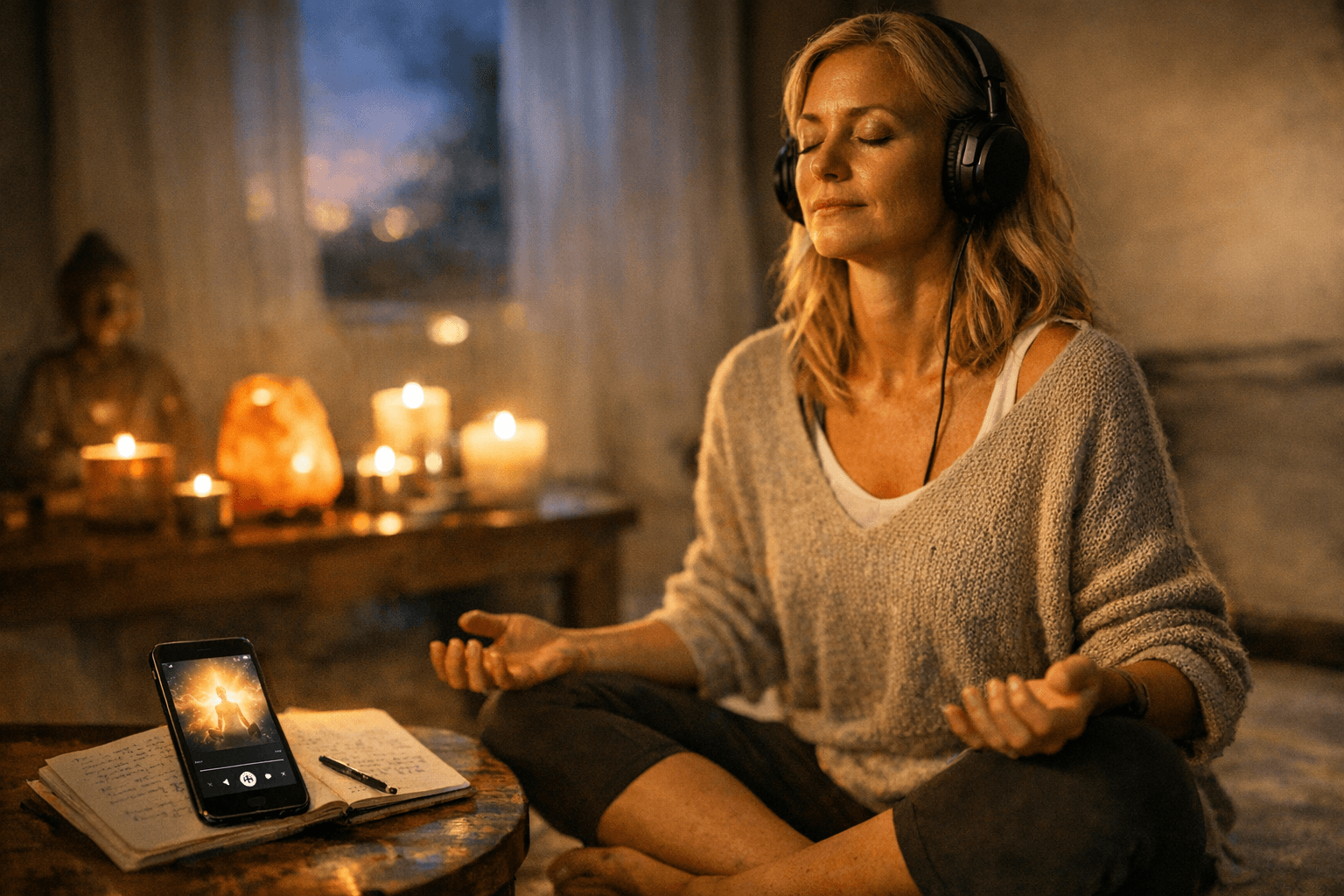
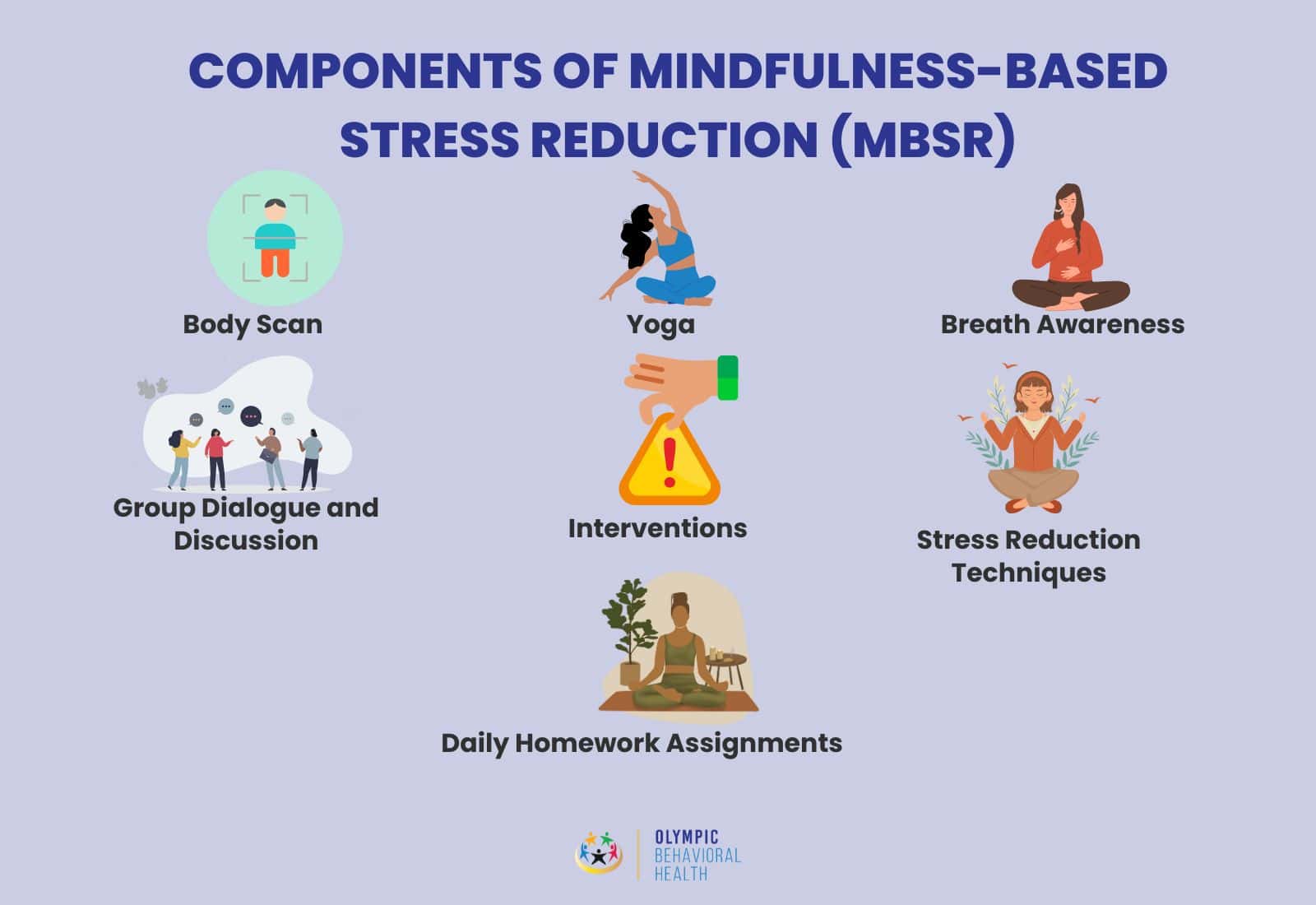
The messaging focused on three accessible strategies. First, mindful listening reorients attention away from spiraling thoughts by tuning into sounds for a minute or two. Second, brief breathing practices—simple breath checks or one-minute diaphragmatic breaths—provide an immediate anchor when stress spikes. Third, short guided meditations and micro body scans help reset the nervous system and reduce disruptive rumination. The emphasis was on low-friction options: pauses, breath checks, and brief body scans that students and busy people can repeat throughout the day.
This approach matters because seasonal pressure tends to cluster around predictable moments: exam windows, deadlines, and post-holiday catch-up. Rather than adding another time-consuming obligation, the advice prioritizes micro-practices that are sustainable. Practicing a 60-second breath check before a study session, pausing for a brief body scan after a long lecture, or using mindful listening during commutes can blunt immediate reactivity and accumulate into more stable focus and better sleep over time.
Self-compassion was a clear theme. The guidance reframes mindfulness not as performance but as kindness toward oneself during high-demand periods. That matters in campus settings where perfectionism and productivity culture can intensify stress. Small, repeatable practices create relief without adding pressure to "do it perfectly," making them more likely to stick.
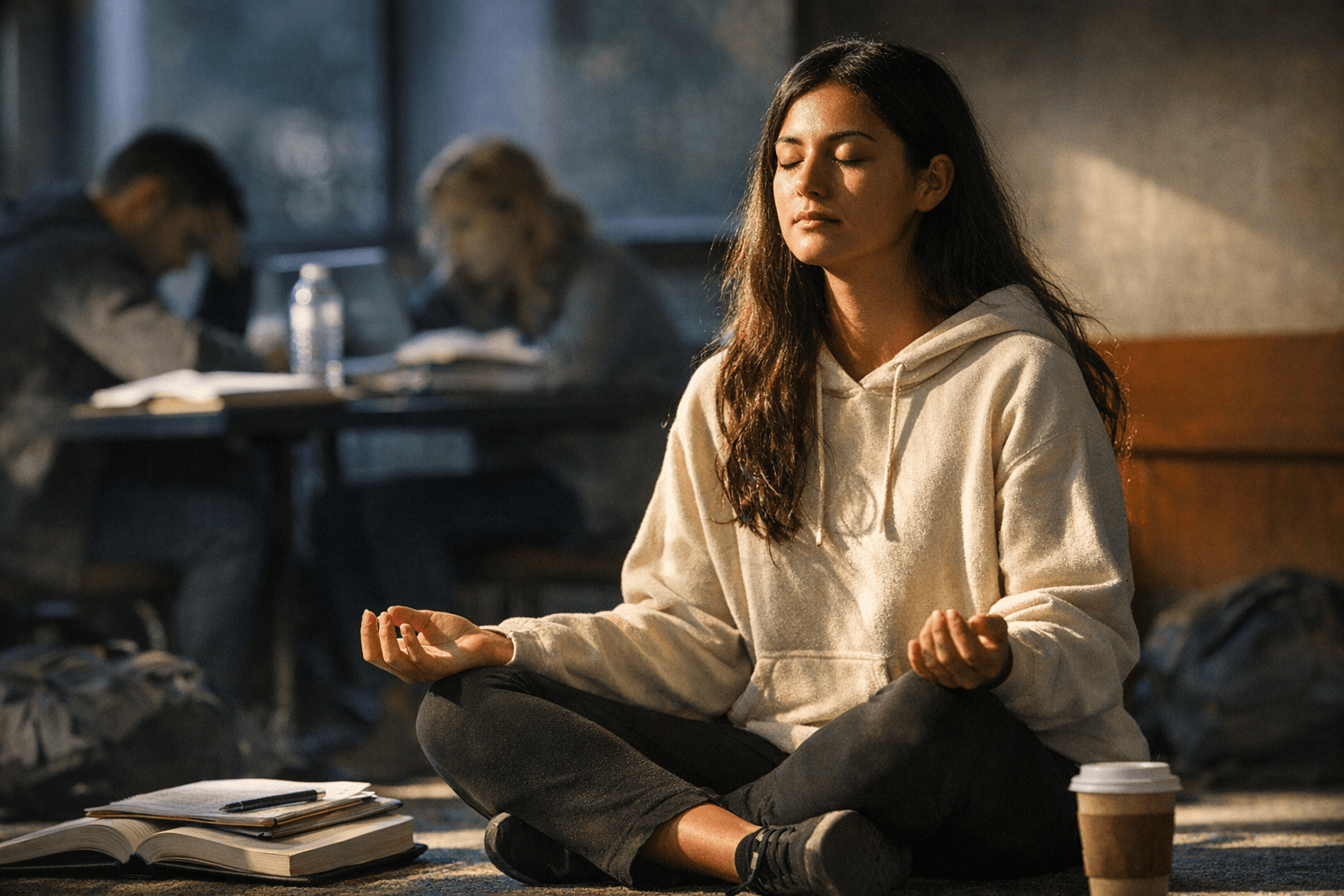
For those wanting structured support, campus and community resources remain available. Short workshops, group sessions, and the Center for Mindfulness offer regular programming designed to teach core techniques and build habit. These options provide a bridge from solitary micro-practices to guided sits and peer support, useful if one-off exercises feel insufficient or stress becomes persistent.
The takeaway is practical and immediate: introduce tiny, manageable practices into daily routines rather than waiting for a free hour to meditate. Try a one-minute breath check before logging onto study platforms, a brief body scan between classes, or a two-minute listening break during meals. Over the season, these small actions can reduce reactivity, improve sleep, and sharpen attention for the tasks ahead.
What comes next is straightforward: if minor overwhelm feels familiar, start with a single micro-practice and use campus offerings to deepen the habit. Small repeats build resilience, and the academic calendar guarantees new opportunities to practice staying present and kind under pressure.
Know something we missed? Have a correction or additional information?
Submit a Tip