Singapore Airlines explores order for at least 50 widebody jets
Singapore Airlines is weighing a widebody order that could reshape its long-haul fleet, testing Boeing’s delayed 777X against Airbus’s A350-1000.
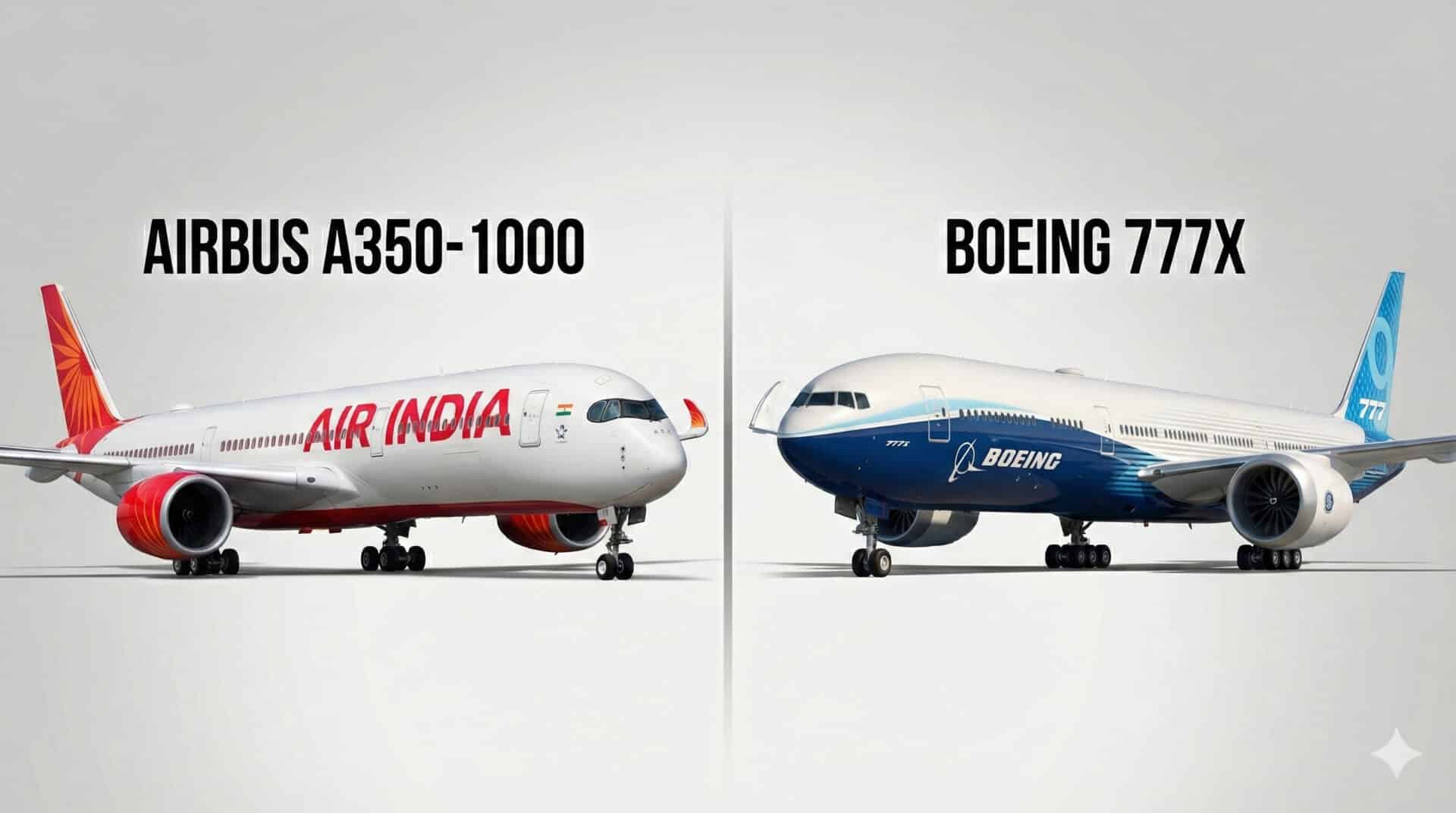
Singapore Airlines is in early talks to buy at least 50 of the biggest widebody jets on the market, a move that would signal confidence in long-haul demand and set the tone for its fleet renewal well into the 2030s. The airline is seeking proposals for Boeing’s 777X or Airbus’s A350-1000, with options for dozens more aircraft also under discussion.
The scale matters because Singapore Airlines is one of the most influential buyers of large twin-aisle jets. A commitment of this size would not just refresh an aging fleet at home; it would also offer a market verdict on which manufacturer is better placed to win the next round of ultra-long-haul growth. Boeing has been pitching the 777-9 as a more efficient replacement, saying it should deliver about 20% lower fuel use and emissions than the aircraft it replaces. Airbus, meanwhile, says the A350-1000 typically seats about 375 to 400 passengers in a standard three-class layout and is the large widebody benchmark in its class.
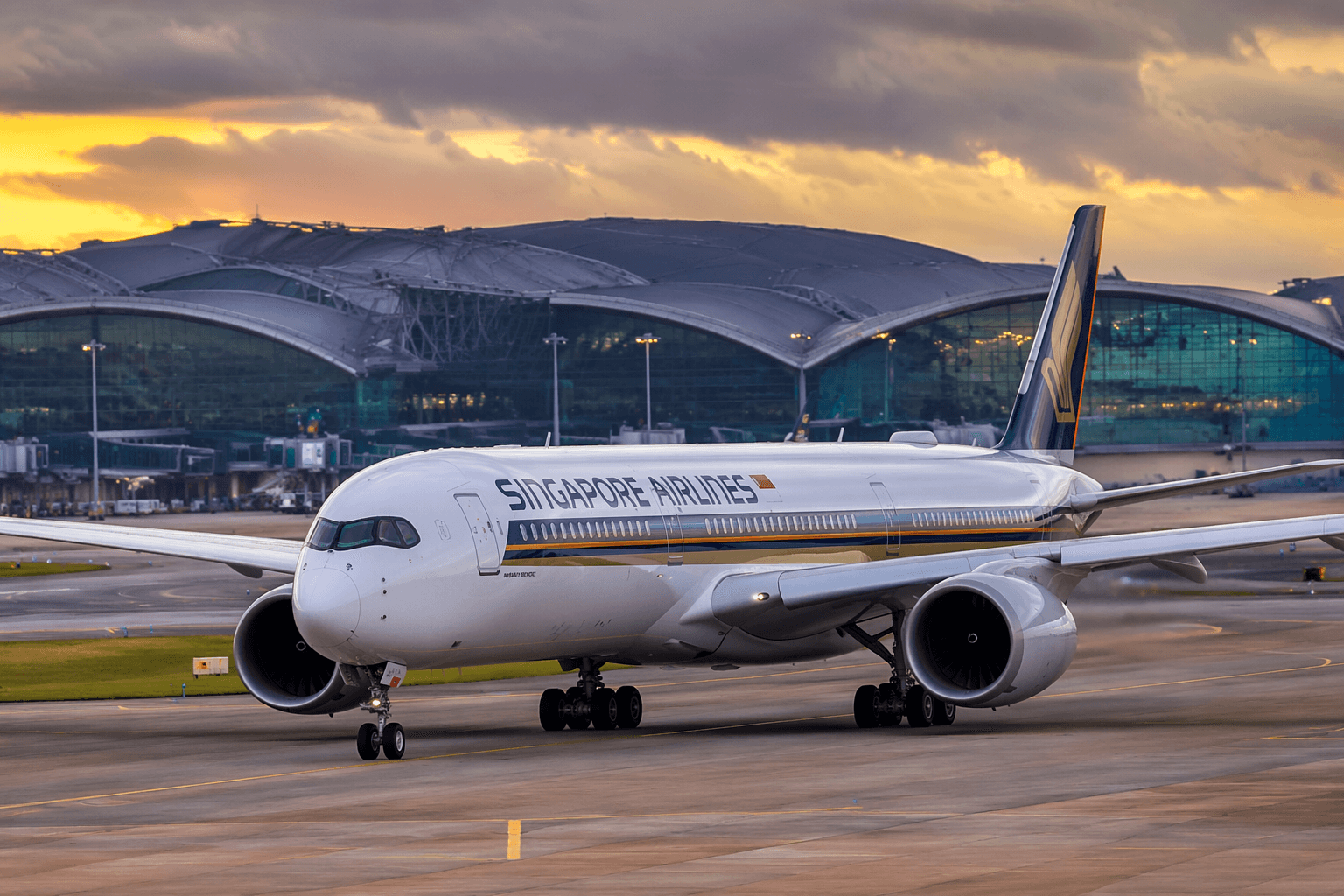
Singapore Airlines said it regularly reviews fleet renewal plans and declined to comment on “any confidential discussions that we may or may not be having.” Airbus and Boeing also declined to comment. Even so, the timing is telling. The carrier has said it will keep expanding capacity even as some rivals trim flights because of higher fuel costs, underscoring a willingness to grow despite a harsher operating backdrop.
The airline’s current long-haul fleet includes Airbus A350-900s, Boeing 777-300ERs and Airbus A380s. Recent fleet trackers put the 777-300ER fleet at about 22 aircraft, and some of those jets are more than 16 years old, creating a clear replacement window. That makes the next order about more than growth: it is about deciding when and how to retire an important part of Singapore Airlines’ long-haul backbone.
The decision is also shaped by Boeing’s delayed 777X program. Singapore Airlines was an early customer for the 777X, but the aircraft remains uncertified, leaving launch customers waiting while Boeing continues test and development work. That delay has increased the strategic value of every fleet-planning choice the carrier makes, especially for routes that depend on efficient, high-capacity widebody jets.
Singapore Airlines’ FY2024/25 reporting says the group continues to invest in a modern, fuel-efficient fleet to support renewal and growth plans, while its sustainability report sets a goal of net zero carbon emissions from operations by 2050. For Airbus and Boeing, the next Singapore Airlines order would not only be a commercial prize. It would be a high-stakes signal about which manufacturer still has the stronger case for the future of long-haul aviation.
This article was produced by Prism’s automated news system from verified source data, official records, and press releases, then run through automated quality and moderation checks before publishing. The system is built and supervised by the people who set the standards it runs under. Read our full AI policy.
Did this article answer your question?

