Six lessons from running a small-town yoga studio as community service
A studio owner reflected on opening and running a small-town yoga studio and shared six practical lessons for teachers and communities. These insights matter for anyone considering studio ownership.

Running a yoga studio in a small town is less about Instagram-perfect branding and more about steady service to neighbors, a studio owner recently wrote as they reflected on the day-to-day reality of community-based yoga. The essay distilled six clear lessons that turn the romantic idea of ownership into a practical playbook for teachers who plan to open a space outside big-city bubbles.
First, not every idea will stick, and that’s OK. Failures are feedback, not final judgments. The owner recommended treating class experiments, workshops, and marketing pushes like mini-asanas: try them, notice the sensations, and adjust. Second, prioritize what matters and accept imperfect execution. You will be the teacher, manager, bookkeeper, marketer and janitor sometimes; getting the essentials done consistently beats chasing perfection on everything.
Third, expect emotional highs and lows. Studio ownership brought exhilarating mat-time connections and also lonely administrative nights. Fourth, practice self-encouragement when external validation is sparse. In a small town you may not get crowded drop-in classes every week, so learn to measure progress in trust built with regulars and slow-growth metrics rather than likes and shares.
Fifth, avoid trying to please everyone. Protect a clear vision for your schedule and community offerings, too many compromises dilute your voice and burn energy. Sixth, be transparent with students and staff to build trust. Clear communication about pricing, policies, and class changes reduced friction and helped the owner keep relationships strong when the studio needed to pivot.
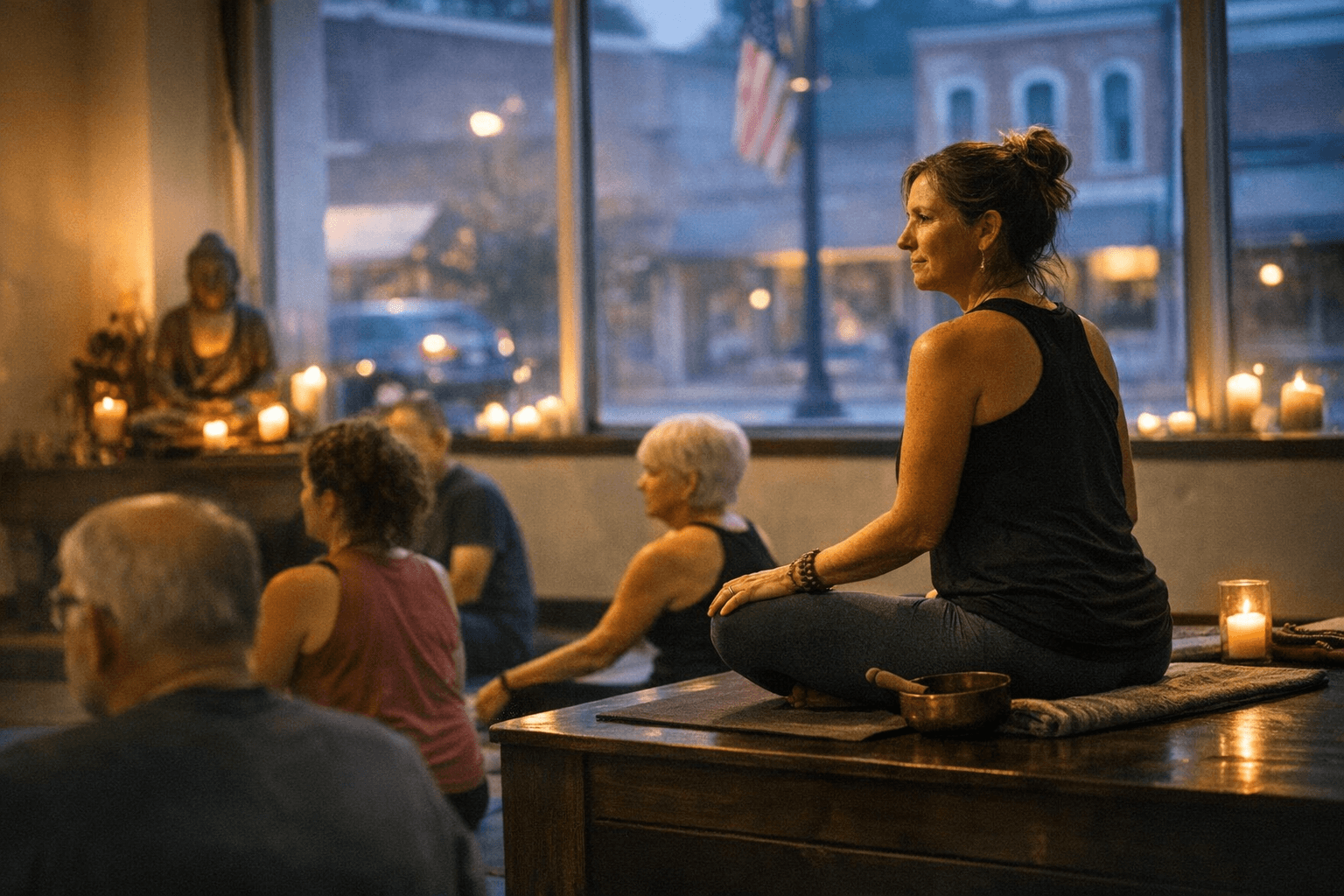
These lessons come with concrete, actionable suggestions. Keep a simple bookkeeping system and set weekly priorities so admin work doesn’t snowball into crisis. Build a core schedule of reliable classes and let specialty workshops rotate seasonally rather than constantly shifting offerings. Cross-train staff and teachers so one sick day doesn’t cancel the whole week. Use community partnerships, local cafes, libraries, senior centers, to expand awareness without expensive advertising. Offer sliding-scale options, trial passes, and clear signage about etiquette so new students can find their footing.
The practical value is immediate: small-town studios win on consistency, transparency and a clear mission. The community impact is mutual, a well-run studio anchors regulars’ wellness while giving teachers a sustainable platform to teach and grow instead of burning out.
The takeaway? Treat ownership like a long-term practice. Our two cents? Roll up your sleeves, refine one habit at a time, and protect your vision so you can keep teaching the people who show up week after week.
Know something we missed? Have a correction or additional information?
Submit a Tip