Sleep disorders raise death and accident risk in epilepsy patients
Poor sleep may be a warning sign, not a side issue, for epilepsy patients: studies link sleep disorders to sudden death, accidents and worse survival.

Poor sleep in epilepsy may carry far more than next-day fatigue. New findings tie comorbid primary sleep disorders to a higher risk of sudden unexpected death, all-cause mortality and accidents, sharpening the case for routine sleep screening in a condition long managed mainly around seizure counts.
That matters because epilepsy already carries a small but serious death risk. The Centers for Disease Control and Prevention estimates that for every 1,000 U.S. adults with epilepsy, about one dies from SUDEP each year, and most of those deaths occur during a generalized seizure in sleep. The American Academy of Neurology and American Epilepsy Society have both treated SUDEP as a poorly understood but catastrophic risk, and the epilepsy society continues to encourage counseling for patients, families and caregivers.
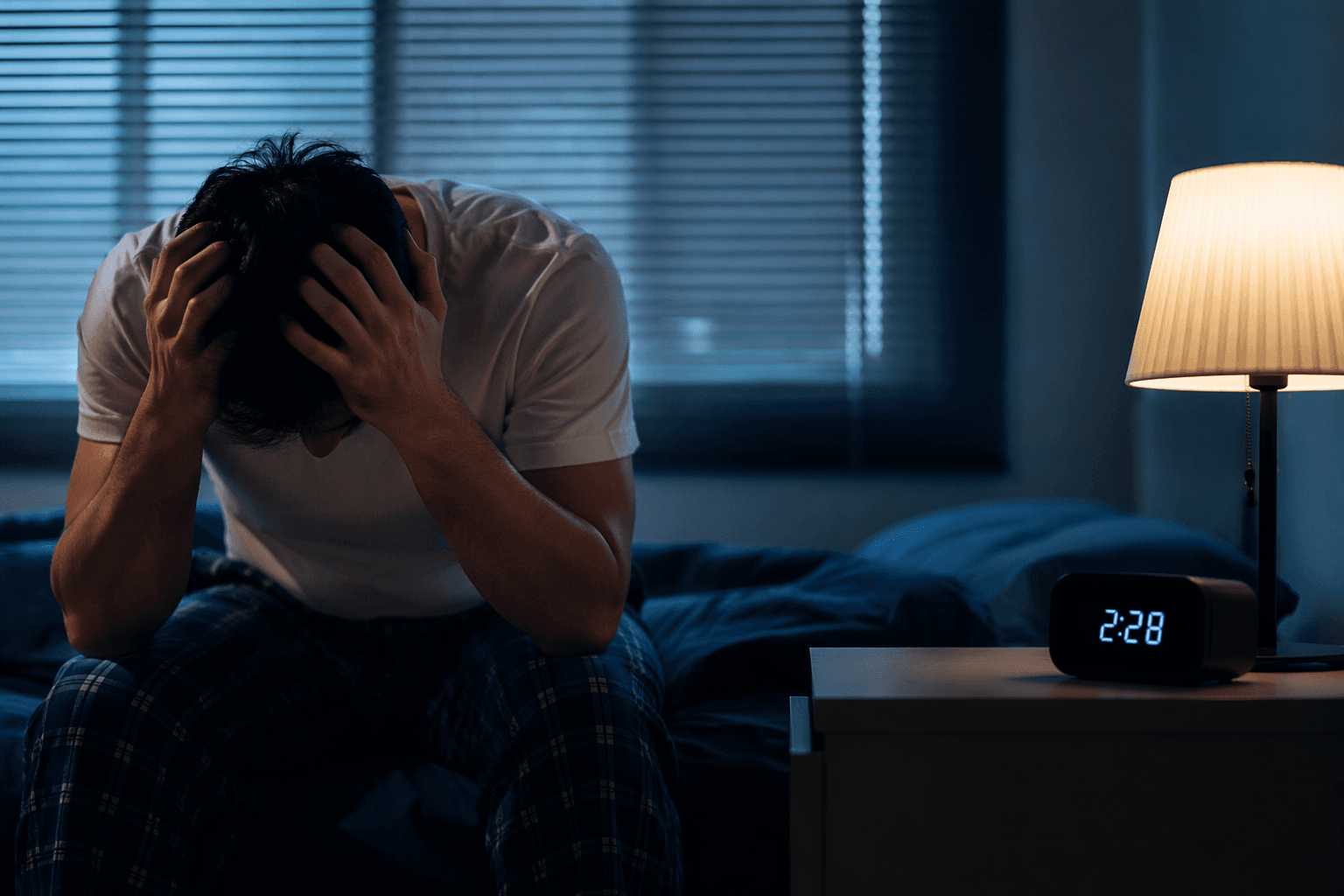
The newer research points to sleep as more than a background symptom. A 2025 study in The Lancet Neurology followed 41 people who later died of SUDEP and 123 matched controls using data collected from Sept. 1, 2011, to Oct. 15, 2022. It found impaired sleep homeostasis and increased respiratory variability in the people who later died. That lines up with a 2021 University of Virginia School of Medicine report showing that sleep and seizures can work together to slow heart rate and disrupt sleep-related regulation.
Taken together, the studies suggest that insomnia, sleep apnea and other primary sleep disorders may add to the danger already faced by people with epilepsy. A recent review described SUDEP as the leading cause of directly epilepsy-related mortality and placed annual incidence at about 1 per 1,000 patients. Other work has linked peri-ictal apnea to increased SUDEP risk, reinforcing the idea that breathing, sleep state and seizure timing belong in the same risk conversation.
For routine care, the practical question is no longer whether sleep is relevant, but whether it should be screened as a standard part of epilepsy management. Neurologists and primary care clinicians should ask about loud snoring, daytime sleepiness, insomnia and broken sleep, then decide whether a patient needs sleep testing, a sleep specialist referral, closer nighttime monitoring or better antiseizure medication adherence. That approach would also help address a prevention gap, since untreated sleep disorders may be a modifiable contributor to accidents and premature death in a population that already faces elevated risk.
For patients and families, the message is immediate: sleep complaints should not be dismissed as secondary. In epilepsy, the night can be part of the danger signal, and it deserves the same attention as seizure frequency.
This article was produced by Prism’s automated news system from verified source data, official records, and press releases, then run through automated quality and moderation checks before publishing. The system is built and supervised by the people who set the standards it runs under. Read our full AI policy.
Did this article answer your question?