Sleep quality and mindfulness practice tied to teenage happiness levels
Research summarized on EurekAlert! (Feb. 24, 2026) links higher adolescent neuroticism to lower happiness through poor sleep and reduced mindfulness; up to 75% of teens report sleep problems.
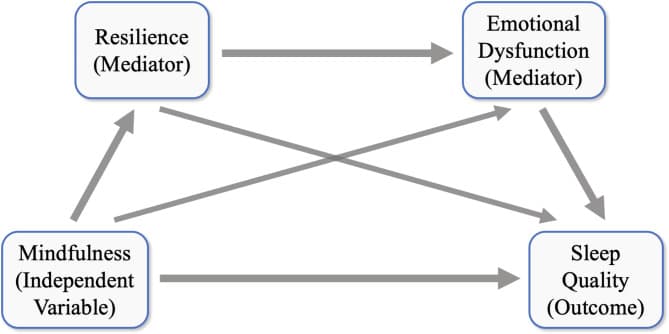
Researchers presenting findings in the World Journal of Pediatrics and summarized on EurekAlert! on February 24, 2026 reported that adolescents with higher levels of neuroticism register lower subjective well‑being, and that this association is mediated by two modifiable factors: poor sleep quality and lower trait mindfulness. The study team wrote, “Our findings suggest that neuroticism may influence adolescents' well‑being indirectly through sleep disruption and reduced mindfulness capacity.”
The EurekAlert! summary situates the result in adolescence as a developmental turning point, noting that adolescence is “a period of emotional intensity and rapid psychological change” when neuroticism typically peaks and emotional regulation systems are still maturing. The release also cites a striking prevalence figure: “Up to 75% of adolescents experience sleep-related problems, including insufficient duration and poor sleep quality,” framing sleep disruption as both common and consequential for well‑being during the teenage years.
Sleep evidence cited alongside the research draws on the National Sleep Foundation’s 2024 Sleep in America® Poll as reported by sleep-advocacy material; that poll found teens who get the recommended 8–10 hours nightly report lower levels of depressive symptoms, and nearly seven out of ten teens dissatisfied with their sleep also reported elevated depressive symptoms. Thensf emphasizes practical stakes in its language: “Adequate sleep is key to building emotional resilience… With regular, sufficient, and healthy sleep, we have a more positive outlook,” and links healthy sleep to fewer accidents, reduced substance use, and better emotional functioning in teens.
Parallel to sleep, consumer-health guidance from Bannerhealth lists specific benefits of cultivating mindfulness for tweens and teens, including reduced anxiety and stress, improved focus and concentration, better emotional regulation through the ability to “observe their emotions without reacting impulsively,” and improved sleep. Bannerhealth also enumerates peer-related stressors that compound adolescent mental-health risks: bullying, pressure to use substances or to meet appearance and performance standards, and social exclusion or rumor-spreading. A Bannerhealth spokesperson identified only as Keiser added, “Learning stress management strategies can help with productivity, even for those with ADD (attention deficit disorder).”

The authors of the World Journal of Pediatrics piece and the EurekAlert! summary stress practical implications: “Because personality traits are relatively stable across the lifespan, identifying modifiable mechanisms such as sleep health and mindfulness provides practical intervention targets.” The release further called for more work to unpack mechanisms, writing that “in‑depth research is needed to examine the roles of sleep quality and mindfulness in the relationship between neuroticism [and adolescent well‑being].”
For clinicians, educators, and parents tracking adolescent mental health, the combined messages from the World Journal of Pediatrics summary, the NSF poll, Thensf guidance, and Bannerhealth point to two actionable levers: promote the recommended 8–10 hours of sleep and teach basic mindfulness and stress-management skills. Targeting sleep health and mindfulness, the researchers argue, offers concrete paths to buffer emotionally vulnerable teens during a developmental period when neuroticism and stress reactivity are peaking.
Know something we missed? Have a correction or additional information?
Submit a Tip