Smartwatch accuracy varies, steps reliable, heart-rate tracking depends on model
Steps are the most dependable smartwatch metric, but heart-rate and calorie estimates vary sharply by model. The real divide is between habit tracking and medical claims.
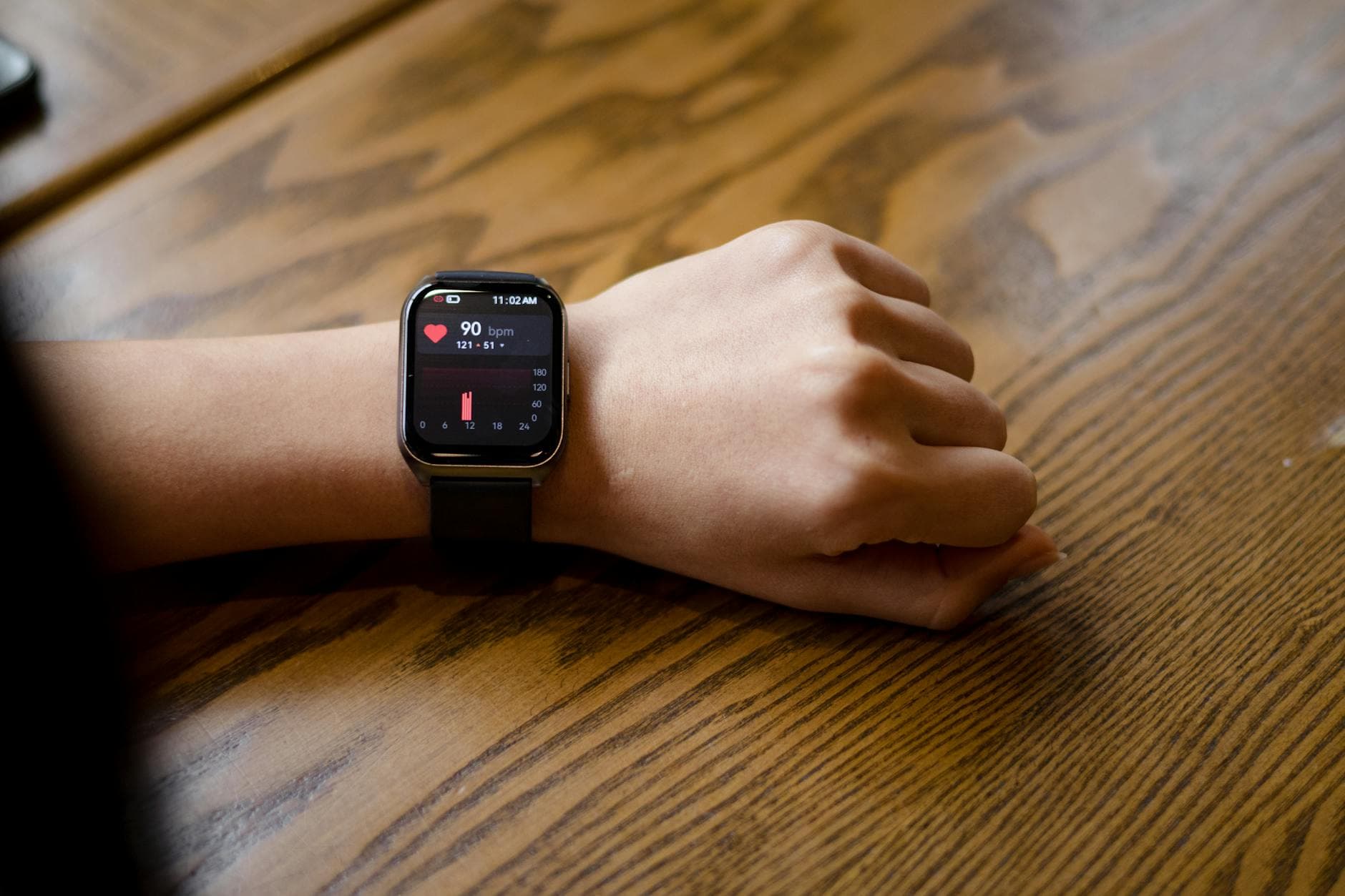
Smartwatches are best understood as two different products in one: a solid everyday tracker for movement, and a much less consistent gauge of what is happening inside your body. The latest testing and broader research point in the same direction. Step counts and distance are close enough to guide daily habits, while heart-rate performance depends heavily on the model, and calorie estimates remain too noisy to treat as precise numbers.
Steps and distance are the safest place to start
CNET’s April 13, 2026 test of five popular smartwatches found a clear bright spot: all five tracked steps and distance accurately. That matters because those are the metrics most people check first, and they are the easiest to use for everyday decisions. If the goal is simply to know whether you walked enough, took the stairs, or stayed active across a week, the evidence says you do not need the most expensive watch on the shelf.
That is the most consumer-friendly takeaway from the testing. CNET’s conclusion was not that premium watches are useless, but that price does not automatically buy better step or distance tracking. In other words, the basic movement counts that drive streaks, goals, and reminders are the least likely to mislead you.
What level of step error actually matters
Independent studies show why step tracking is useful even when it is not perfect. In one study reported in Sensors, the strongest relationship with a reference accelerometer came from the Apple Watch 6, followed by the Galaxy Watch 4, with mean absolute percentage error values of 6.4% and 10.5%. That is small enough to preserve the shape of your day, even if it is not exact to the last step.
The practical question is whether the error changes your decision. A 6% to 10% miss can blur a close call, such as whether you hit a 10,000-step target, but it is usually good enough to show whether you were active, moderately active, or mostly sedentary. A separate 4-week study of 34 healthy participants found step-count error changed from 29.49% at baseline to 0.54% during the intervention when displayed steps were unblinded, a reminder that feedback and context can strongly shape how useful the number becomes.
Heart-rate tracking is more variable, and model choice matters
The same CNET testing found much more variation in heart-rate accuracy. The Apple Watch Series 11 was the most accurate heart-rate monitor during workouts, which is the exact use case many buyers care about when they are checking intensity, recovery, or whether they are staying in a training zone. For people who mostly want a dependable workout pulse reading, that is the metric to watch most closely.
Garmin’s Venu 4 told a different story. CNET said it provided more heart-rate data, which may be better for serious training analysis even if raw accuracy is not the only goal. That distinction matters: a watch can be less useful for a quick glance during a run yet still valuable for people who want more signals to study after the workout.
The broader evidence supports that split. A 2026 systematic review in npj Digital Medicine, based on 82 studies and 430,052 participants, found Apple Watch heart-rate measurement had a mean bias of -0.27 bpm, a small average underestimation. But the review also found moderate variability, which is the part consumers should not ignore. A tiny average miss can still hide meaningful differences from one session to the next.
Calories burned remain the shakiest number on the screen
If steps are the most dependable metric and heart rate is useful with caveats, energy expenditure is the one to treat with the most skepticism. The same npj Digital Medicine review found energy-expenditure estimates were inconsistent and often large in error. That means the calorie number on your wrist is better read as a rough guide than a precise accounting of what you burned.
That distinction matters because calorie estimates can easily influence eating, training, and weight-loss decisions. For everyday use, they may still help you compare one day with another or notice that a harder workout likely burned more than a light one. They should not be treated like a lab measurement.
Health alerts can be useful, but they are not all built the same way
Wearable health features also sit on different regulatory footing. The U.S. Food and Drug Administration says many consumer wearables fall under its general-wellness policy when they are low-risk products encouraging a healthy lifestyle. Sensor-based digital health devices that meet premarket requirements are listed separately, which is the line that separates general fitness tech from more formal medical functions.
Apple’s irregular rhythm notification feature shows how that distinction works in practice. The feature received FDA de novo authorization in 2018, and Apple says it generally checks for irregular rhythms when the user is still to improve reading accuracy. That design choice reflects a basic principle for consumers: a smartwatch can flag a possible issue, but a regulated alert is not the same thing as a diagnosis.
The review data on atrial fibrillation detection makes that point even clearer. Apple Watch detection was more specific than sensitive, with specificity of 0.91 and sensitivity of 0.79. For consumers, that means the feature is better at ruling out people who do not have the condition than it is at catching every true case. It is a screening tool, not a substitute for medical evaluation.
Why the market keeps growing anyway
The popularity of these devices is easy to understand once you look at the activity numbers. The Centers for Disease Control and Prevention said 47.2% of U.S. adults met federal aerobic physical activity guidelines in 2024. The World Health Organization said about 1.8 billion adults worldwide, or 31%, did not meet recommended physical activity levels in 2022. Those figures help explain why people keep reaching for a wrist-based nudge.
In a country where less than half of adults meet aerobic targets, and a large share of the world is still below recommended activity levels, the value of a smartwatch is often behavioral before it is clinical. A good step counter can push a walk, a reliable heart-rate sensor can sharpen a workout, and a weak calorie estimate can still be ignored without much consequence. The smart way to use a smartwatch is to trust the metrics that have held up best under testing, and to treat the rest as rough estimates dressed up in a polished interface.
This article was produced by Prism’s automated news system from verified source data, official records, and press releases, then run through automated quality and moderation checks before publishing. The system is built and supervised by the people who set the standards it runs under. Read our full AI policy.
Did this article answer your question?