SMI Transitions to Cross-Industry Partnerships to Accelerate Fashion Sustainability
After six years since its January 2020 WEF launch, the Sustainable Markets Initiative pivots from sector groups to cross-industry partnerships, mobilizing 300+ CEOs and $60 trillion to speed fashion sustainability.
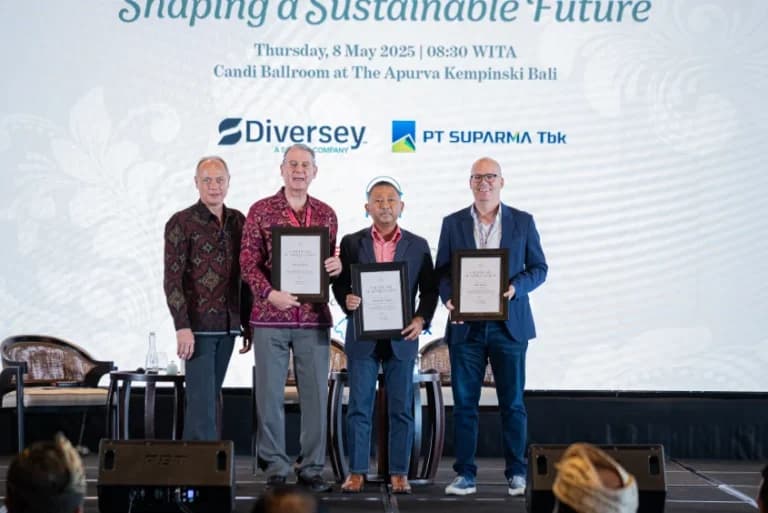
The Sustainable Markets Initiative is shifting from sector-specific working groups to broader cross-industry partnerships, a move presented as a way to accelerate sustainability in fashion and to scale solutions that no single industry can achieve. The initiative, which launched at the World Economic Forum in January 2020, frames the change as an operational pivot that levers its CEO-led network for cross-sector problem solving.
SMI bills itself as a CEO-led global forum. Its publicly stated membership now exceeds 300 CEOs representing a collective $60 trillion in assets, and the initiative explicitly links its mandate to a coalition of business leaders, nonprofits and government organizations led in public by King Charles III. Early SMI programming included a September 2020 Re:TV series curated by HRH The Prince of Wales, a signal of the initiative’s cultural as well as corporate reach.
SMI’s 2023 report of activity supplies the near-term mechanics behind the pivot: the launch of the Astra Carta framework, the creation of five new Task Forces covering multiple sectors, and the establishment of a new regional country council in Africa. Jennifer Jordan-Saifi, CEO, Sustainable Markets Initiative, wrote, "In 2023, these leaders continued to create a foundation that global companies can build upon. We are working with companies of all sizes and industries to help bring clean technologies to market, deploy capital to scale innovation, and address transparency. We launched the Astra Carta framework, created five new Task Forces covering multiple sectors, and established a new regional country council in Africa. In addition, we accelerated progress through cross-Task Force collaboration, helping Sustainable Markets Initiative CEOs develop solutions and scale not achievable by one industry alone."
That cross-Task Force logic is central to SMI’s case: by aggregating demand, pooling capital and coordinating pilots across sectors, SMI aims to confront structural barriers—for example, the green premium on low-carbon materials or the financing gap for circular supply chains—that fashion alone cannot erase. Outside observers point to established models of open innovation as blueprints. Blogs Psico-smart notes that "the success of cross-industry collaboration hinges on the commitment to mutual learning and open communication among partners" and highlights Unilever Foundry and Procter & Gamble’s Connect + Develop as templates; P&G’s initiative, it says, resulted in "over 50% of new products now incorporating ideas from external sources."
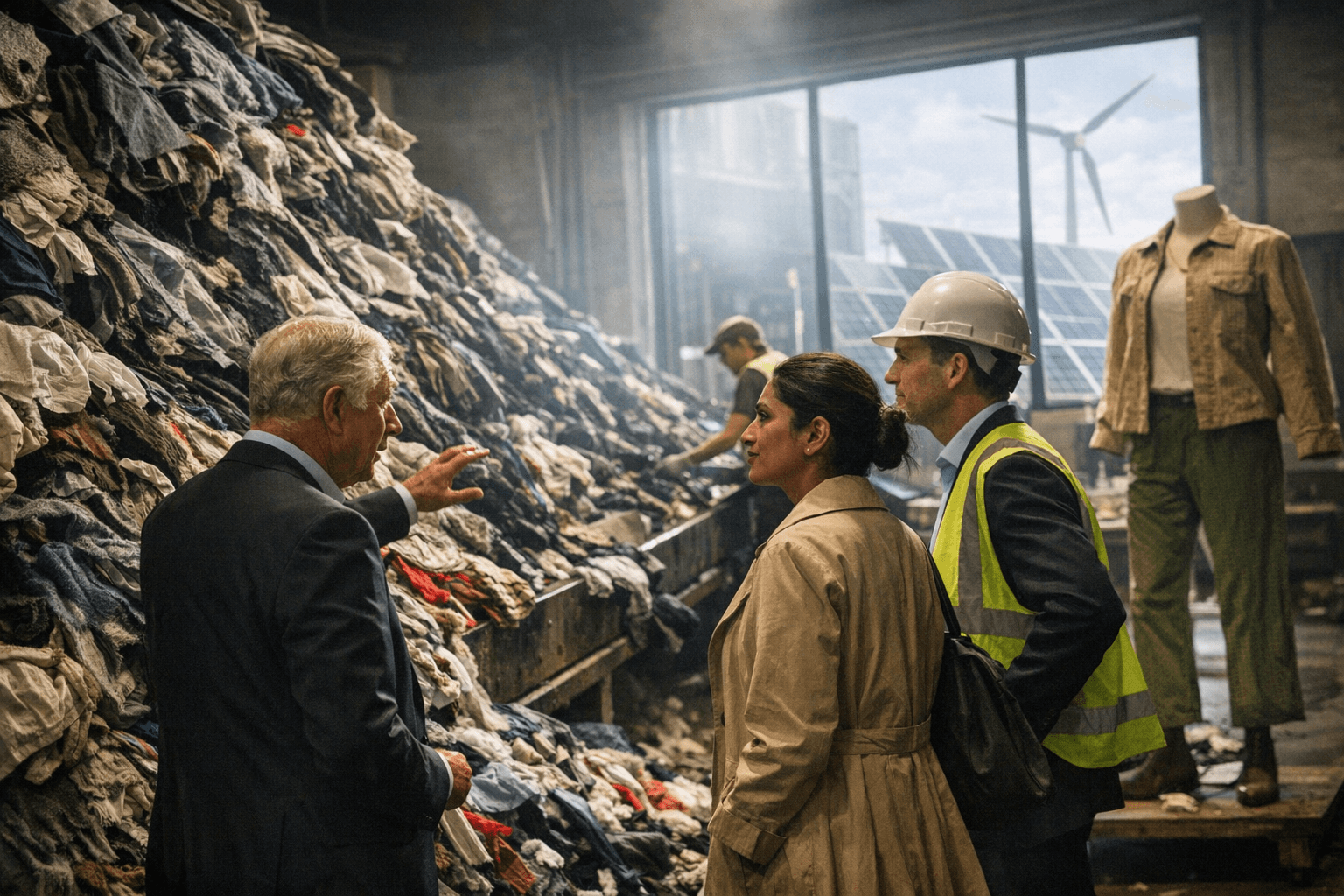
Operational lessons from consultancies and practitioners echo that playbook. Hani Tohme’s Kearney guidance emphasizes, "Start small with committed members or leverage existing platforms to gain momentum," and to "Use structured governance to build trust and transparency. Measure impact with a flexible, progress-focused approach." LinkedIn commentary on clean-energy scaling similarly urges aggregation of demand and innovative financing models to manage the green premium.
Marketing and partnership trends suggest a commercial upside: Socialtargeter projects that "brands focused on collaborative marketing strategies are predicted to grow by 30% by 2030," an argument that underpins SMI’s bet that private-sector diplomacy can create new markets while advancing environmental goals. The test for SMI will be tactical and measurable: whether Astra Carta signatories, the five Task Forces and the Africa regional council publish charters, pilots and KPIs that translate the initiative’s 300-plus CEO membership and $60 trillion asset base into concrete fashion-sector outcomes. If SMI can pair governance and finance with fast, cross-industry pilots, it will show whether the private sector can be both catalyst and delivery engine for sustainable fashion at scale.
Know something we missed? Have a correction or additional information?
Submit a Tip