Smithtown Unveils Upgraded Command Center With 250 Cameras, Aiding Rescues
Smithtown unveiled a renovated public safety command center with more than 250 cameras to speed emergency response and aid rescues across parks, marinas and open spaces.
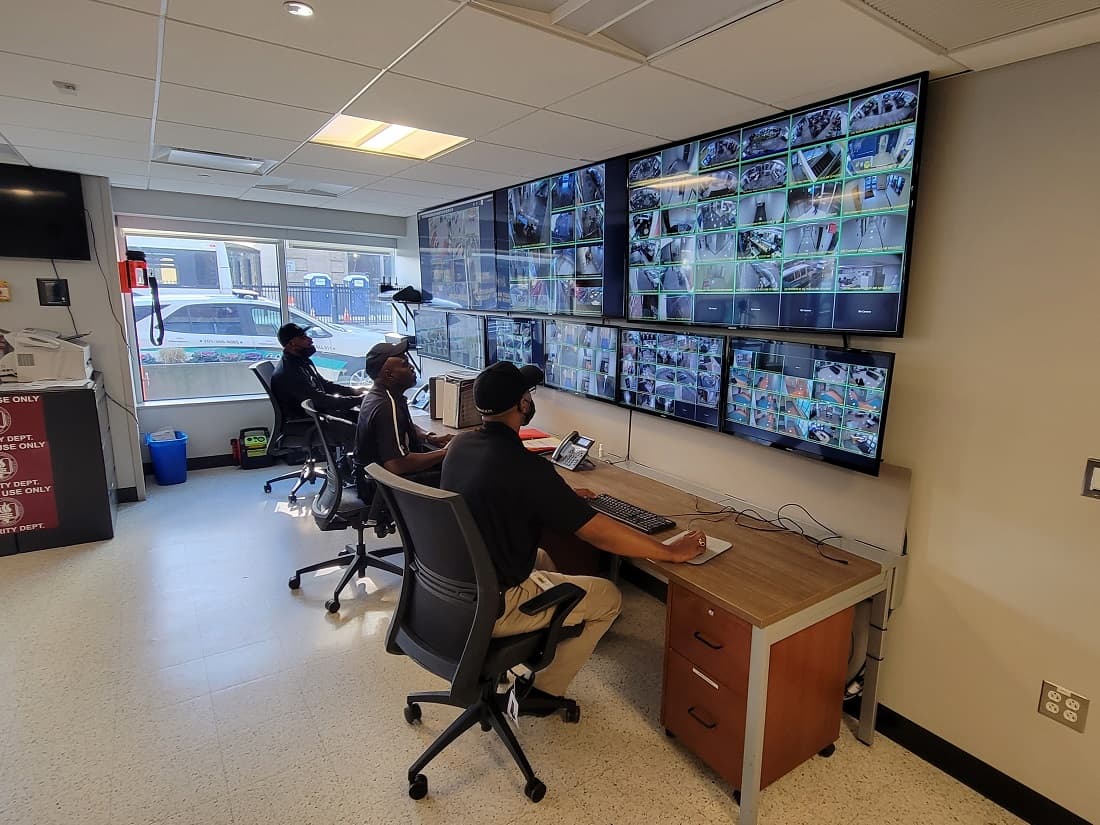
Smithtown brought its upgraded Public Safety Command Center online on Jan. 19, 2026, installing a network of more than 250 cameras and new digital tools aimed at faster, more coordinated emergency response. The renovated hub centralizes live video, motion tracking, automated alerts and License Plate Recognition technology to support park rangers, fire marshals, harbor masters and other personnel across town property.
Dispatchers now have instant access to live video, electronic doors and alarm systems, enabling quicker situational awareness for water and ground rescues and other urgent incidents. The town completed renovations and system upgrades in five months at a total cost of $266,667. Roughly three quarters of that sum - $200,000 - came from a Congressionally Directed Spending grant championed by U.S. Senate Majority Leader Charles E. Schumer.
The system has already assisted first responders in locating disabled boaters and swimmers. Smithtown Supervisor Ed Wehrheim said, "the system has already helped save lives, particularly by assisting water and ground rescue units in locating disabled boaters and swimmers." Officials including Chief Thomas J. Lohmann and Deputy Director Catherine Caillat also praised the project and the team that executed it.
For residents, the command center promises shorter response times and improved coordination when incidents occur in parks, marinas, town buildings and open spaces. The added camera coverage and automated alerts aim to reduce search time in water emergencies and provide actionable information to units in the field, which can be consequential on Smithtown’s waterways and public lands.

The project also raises institutional questions that town leaders will need to address as the system goes into routine use. Centralized video feeds and License Plate Recognition introduce policy decisions about data retention, access controls, transparency and oversight. Those governance issues will determine how the technology balances community safety with privacy and civil liberties, and whether operating protocols will be subject to public review at Town Board meetings.
The federal grant component highlights the interplay between local priorities and federal funding streams. Residents and local officials who track municipal budgets or campaign platforms should note how outside funding can accelerate infrastructure upgrades while shaping local spending choices.
What comes next is operational: fine-tuning alerts, training dispatch and field personnel, and defining the rules that govern camera use and data handling. For Smithtown residents, the immediate effect is clearer lines of sight for first responders; the longer term will depend on how the town governs and reports on the system’s use as it becomes part of daily public safety work.
Sources:
Know something we missed? Have a correction or additional information?
Submit a Tip