SoftBank launches OpenAI-based cyberattack defense service for Japanese firms
SoftBank said its OpenAI-based service will first diagnose weaknesses and patch gaps, but it offered no proof it can stop a serious breach on its own.

SoftBank tried to recast artificial intelligence as a shield, not just a productivity tool, as it unveiled an OpenAI-based cyber defense service in Tokyo for Japanese companies facing increasingly sophisticated attacks. The pitch was aimed at the country’s largest enterprises, including firms tied to airports, power systems and transportation, with Masayoshi Son calling Japan’s exposure to cyberattacks “a crisis” and adding, “I feel it is our duty.”
The service is meant to start with diagnosis. SoftBank said it will identify weak points in a company’s systems, then analyze how to “patch” those gaps before attackers can move in. That makes the offer more realistic as a screening and triage tool than as a magic wall against intrusion, especially for firms that already know they lack the staff to examine every system manually.
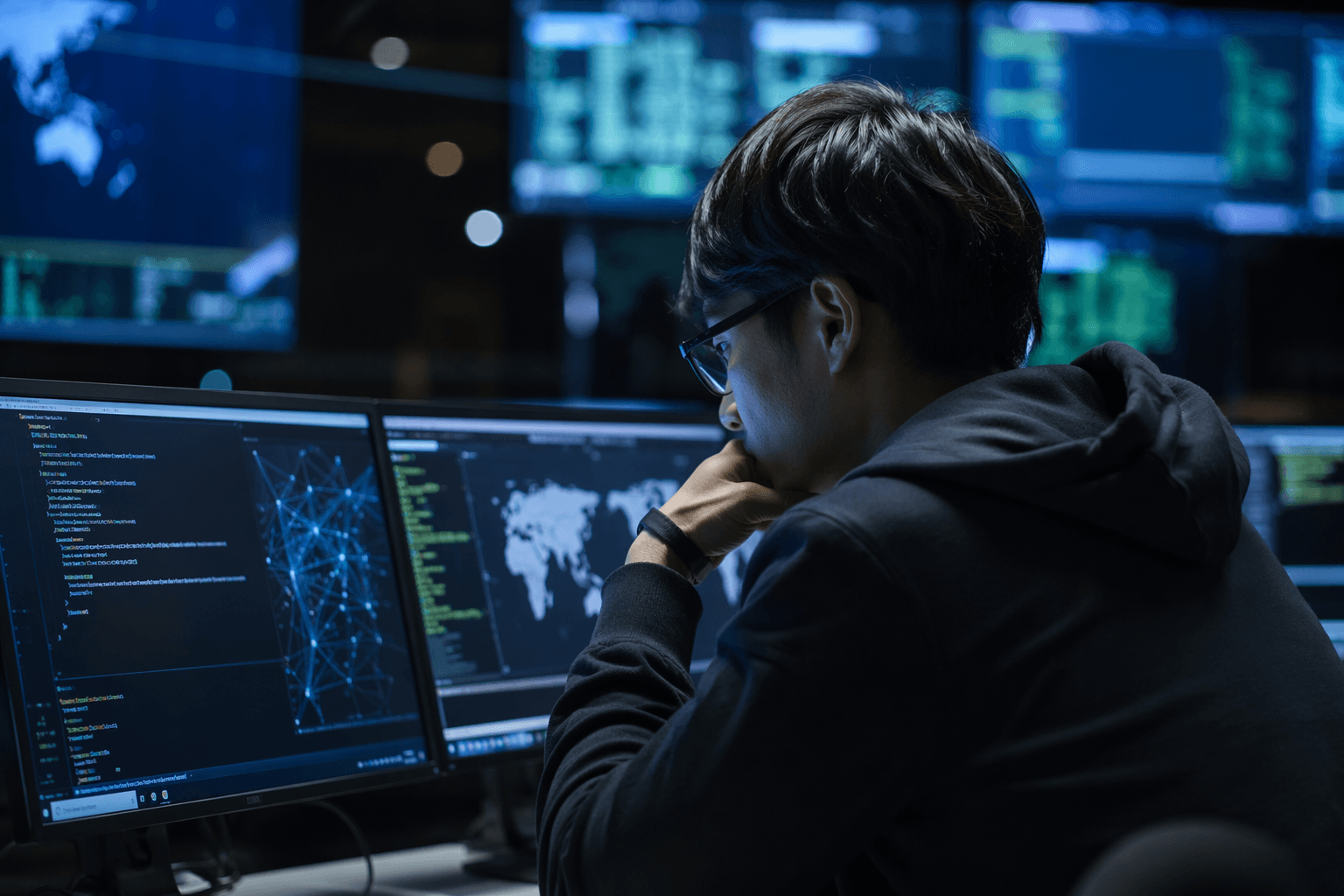
That distinction matters in Japan, where labor shortages have made automation attractive across the business world and where many companies, especially outside the biggest names, struggle to keep enough specialized security personnel on hand. For those firms, a tool that can scan for vulnerabilities and surface priorities quickly may be useful. But the announcement did not show that OpenAI models, even when paired with SoftBank’s local market reach and infrastructure relationships, can independently defeat a determined attack or replace established cybersecurity operations.
The launch also highlighted how SoftBank and OpenAI are trying to turn a broad AI partnership into a commercial product for enterprise buyers. The two companies formed SB OAI Japan, a 50-50 joint venture created last year to develop and market AI services for the Japanese market. OpenAI chief executive Sam Altman had been scheduled to attend the launch but appeared only in prerecorded video after the birth of his baby daughter earlier than expected, while chief researcher Mark Chen attended in his place.
SoftBank did not disclose a price, another sign that the service is still being positioned. People who attended the Tokyo presentation were told they could apply for a free diagnosis, a limited entry point that may help generate business interest before broader pricing is set. For Japanese companies under pressure to automate more of their defenses, the offer could be appealing. For investors and customers, the harder question remains whether the product is a serious cyber defense layer or a high-profile demonstration of where AI marketing is moving faster than the technology itself.
This article was produced by Prism’s automated news system from verified source data, official records, and press releases, then run through automated quality and moderation checks before publishing. The system is built and supervised by the people who set the standards it runs under. Read our full AI policy.
Did this article answer your question?


