Solar-Electric Catamarans Mature Rapidly but Owners Seek Real-World Performance
Prospective and current owners are demanding verified range and duty-cycle data as the solar-electric catamaran segment matures and high-capacity onboard renewables become common.
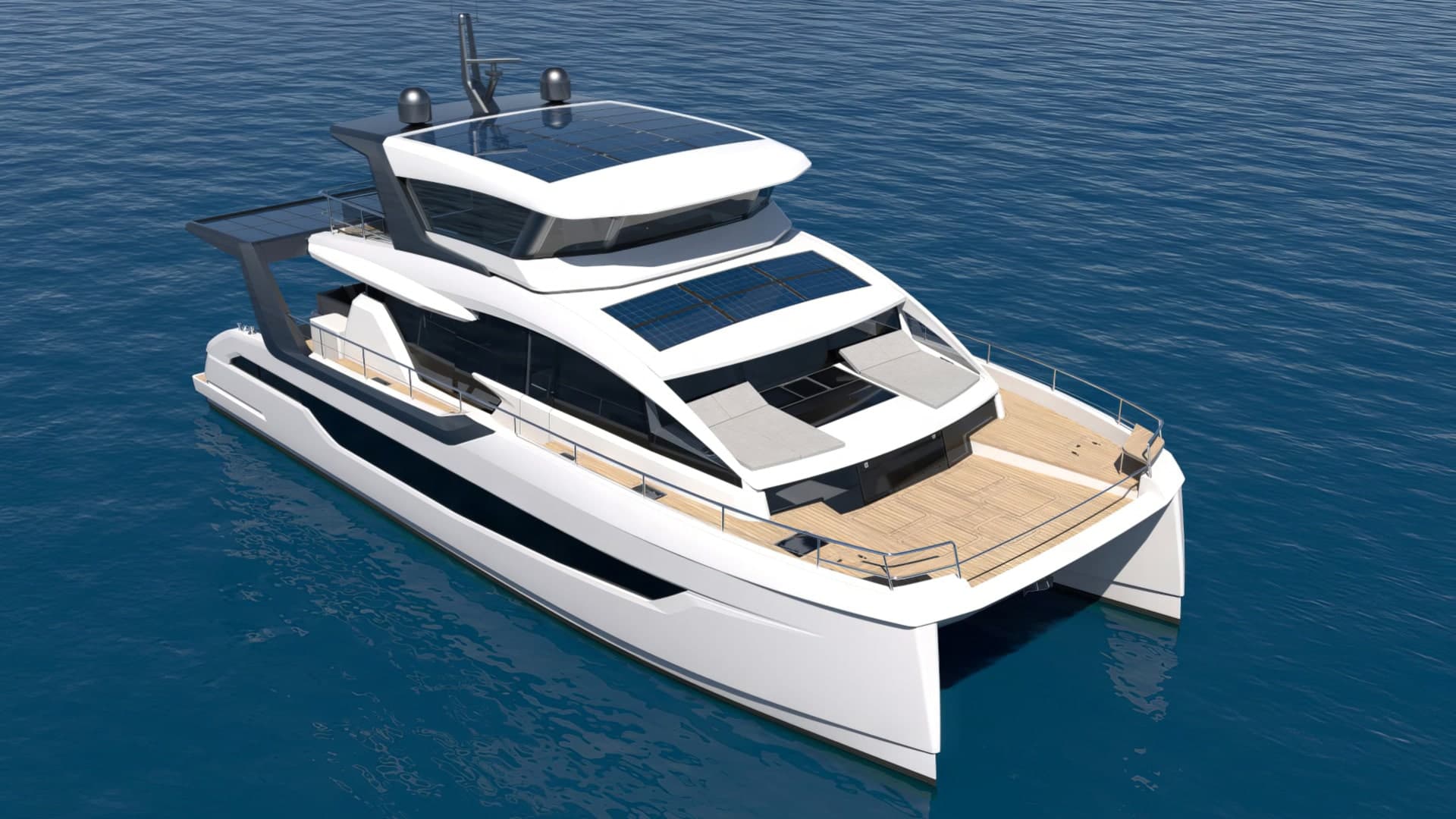
Prospective and current owners considering solar-electric propulsion or high-capacity onboard renewable systems are shifting the market from proof-of-concept to proof-of-performance. The solar-electric catamaran segment is maturing fast, and owners now want concrete, verifiable numbers on range, recharge windows, and daily energy budgets before committing to a build or retrofit.
Shipyards and system integrators that market solar-electric propulsion packages and high-capacity renewable systems face a new baseline for buyers: documented sea-trial data and real-world cruising logs. Owners seek not just peak solar array output or battery nominal capacity but sustained duty-cycle performance under load - how long an electric drive will maintain cruising speed given onboard loads, what battery depth-of-discharge is used in routine passage-making, and how much usable energy solar arrays deliver over a typical day at sea.
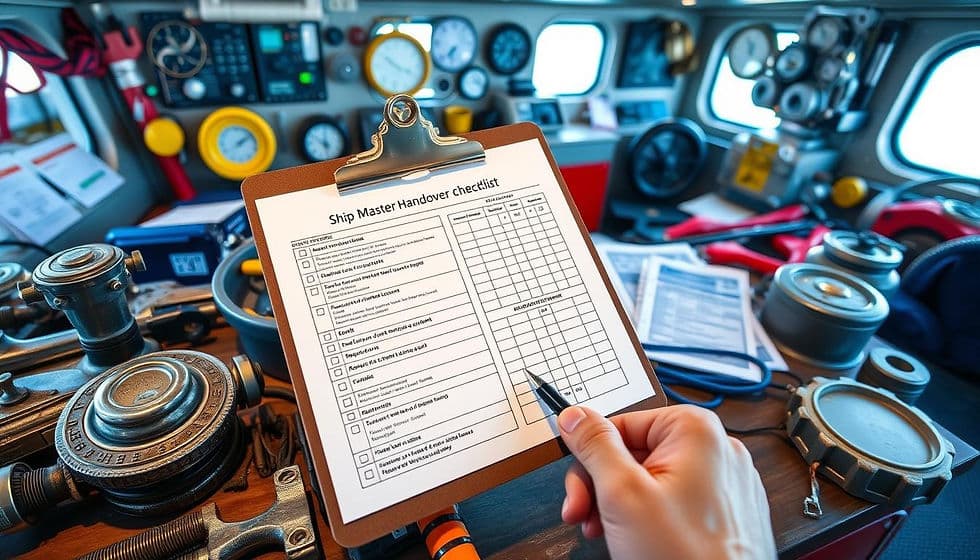
That focus on real-world performance is rewriting common procurement conversations. Rather than accepting published wattage and kWh figures alone, buyers are asking for energy-management profiles, consumption curves tied to speed and hotel loads, and verification of integrated systems during handover. Prospective owners should confirm whether a quoted battery bank is usable at the stated kWh, whether propulsion power figures are realistic at displacement speeds, and whether the installed solar array output matches projections when accounting for shading and rigging on a catamaran platform.

Operational questions are decisive for cruising plans. Current owners report that high-capacity renewable systems change provisioning and itinerary options only when they can rely on predictable recharge cycles and redundancy. That means attention to inverter sizing, shore-power integration, and whether a genset or fast-charging option is included for passages that exceed solar and battery endurance. Buyers focused on autonomy are re-evaluating tradeoffs among panel area, battery weight, motor efficiency, and system complexity.
Until owner-verified metrics become standard in sales listings and spec sheets, expect negotiations to center on demonstrable outcomes at sea rather than headline electrical specifications. As the segment continues to mature, the most successful builders and integrators will be those that supply logged sea trials, lifecycle expectations for battery systems, and clear handover documentation enabling owners to plan passages with confidence.
Know something we missed? Have a correction or additional information?
Submit a Tip