Essential Catamaran Handover Checklist for New Owners: Finance to Sea Trials
Follow a single checklist from financing to sea trials to prevent funding delays, catch hull or systems defects, and leave the dock confident in your catamaran's paperwork and systems.
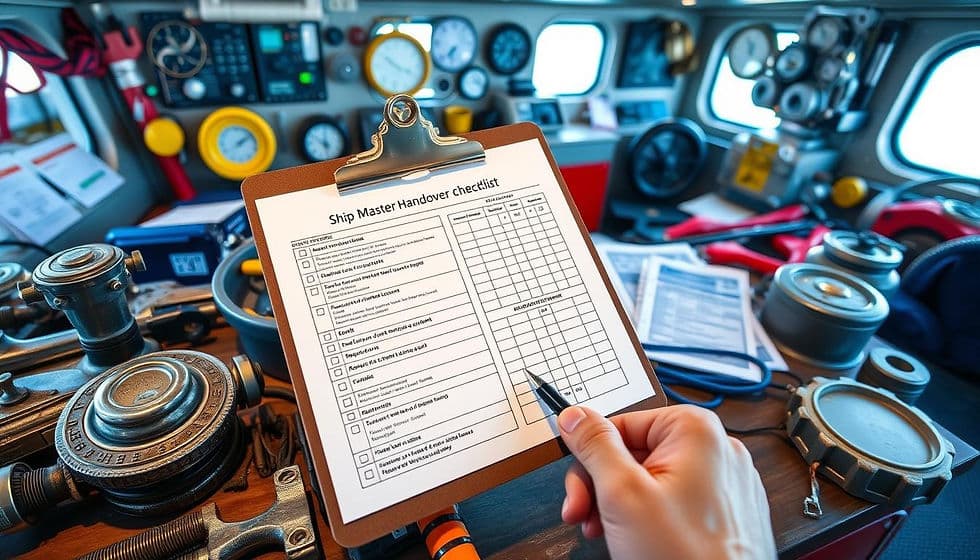
If you’re taking delivery of a catamaran, treat handover as a transaction and a commissioning program—one missed insurance form or unread wiring diagram costs time and money. Below is a step‑by‑step handover checklist that moves you from financing and title through surveys, systems commissioning and sea trials so you don’t discover problems two weeks into cruising.
1. Secure financing early
Because securing financing can be one of the most time-consuming steps in the entire sales process, it is generally taken care of at the beginning of the sales process. Work with a lender experienced in marine loans and obtain pre-approval; expect the lender to add requirements or request further appraisals. Even with pre-approval, plan for the lender to need the survey to complete funding—this prevents last-minute hold-ups.
2. Put insurance in place before funding
"Insurance is typically required by the finance company before funding can be released." Compare policies ahead of closing and confirm any deductibles, agreed value language, and cruising limits the lender requires. Delays to closing often stem from insurance mismatches; have a broker who understands marine underwriting ready to produce proof of cover.
3. Verify clear title and registration
"It is very important that you ensure that the catamaran you are buying has a clear title, including checking for any liens or encumbrances that could affect the new owner." If the vessel is foreign‑registered or had multiple previous owners, expect added paperwork and longer turnaround. Confirm that title transfers and registrations are complete and accurate before funds move and insist on documented confirmation of all transfers.
4. Coordinate the survey and appraisal
Banks "will still need to receive a copy of the survey in order to appraise the condition of the catamaran before agreeing to finally fund the transaction." Schedule a qualified marine surveyor well before your handover window, and make sure the survey covers hull structure, propulsion, rigging, electrical systems and seacocks. Use the survey report to negotiate repairs or holdbacks rather than discovering issues after funding clears.
5. Perform hull inspection and tap testing
TravelSketchSailing cautions, "As mentioned in our handover check list and the video above, we absolutely think it's worth tap testing the hull when handing over a fiberglass boat. It is an affordable and accessible way to perform a quick check for discrepancies in the hull, which could be a void, delamination or dry fiberglass." Include tap testing as a routine owner check during the on‑board inspection; the video demonstrates sound types, what to listen for and what type of hammer to use.
6. Run engine and propulsion checks on the water
"Start the engine and check that water flows from the cooling system (usually from an exhaust pipe or drain hole at the stern)." Do this for each engine and run the engines under varying loads during the sea trial. For twins, include low-speed and high-speed turns, single‑engine handling and the docking maneuvers you'll use regularly—these tests identify cooling, transmission or shaft issues before they become expensive.
7. Commission systems and run audits under load
Antares advises "Running the watermaker, generator, and HVAC systems under load." Run each major system for extended periods during commissioning so you catch leaks, soft belts, under‑sized fuel filters, or failed compressors before you’re offshore. Document baseline operating parameters—amps, pressures, RPMs—so you have reference numbers for troubleshooting later.
8. Inspect rigging and sails
Antares lists Rigging Checks as "Understanding load paths and reefing points." On production boats, check standing and running rigging for proper tension, chafe protection, and correct pinning at terminals; inspect sails for stitch integrity, UV wear and correct reefing hardware. If this is a performance or bluewater purchase, have a rigger or sailmaker present for the handover.

9. Confirm electrical and plumbing access and documentation
Antares provides "comprehensive, architectural-grade electrical and plumbing diagrams. This transparency allows owners to: 1. Diagnose issues faster. 2. Perform preventative maintenance without destroying the interior. 3. Save significant capital on boatyard labor costs." Obtain these diagrams and walk through them with the dealer or factory rep so you can locate breakers, junctions, valves and pumps quickly. If a builder doesn't provide diagrams, insist on a written systems map before you sign off.
10. Take training and extended commissioning where available
"We recognize that purchasing the boat is only the first step. To mitigate the learning curve, Antares emphasizes a handover process that goes beyond a simple walkthrough." Owners of Antares are "encouraged to attend Antares University, which offers a complimentary two-day course covering the boat systems and docking procedures for Antares Catamarans." If delivery is at factory (Antares notes Argentina deliveries), plan to spend time—"often up to two weeks"—with factory reps or experienced captains for docking drills, system tuning and hands-on learning.
11. Factor broker choice, warranty and post-delivery support into your plan
TravelSketchSailing highlights "Implications of Yacht Brokers on Warranty" and recommends owners understand how broker choice can affect warranty handling and post‑delivery support. Clarify who handles warranty claims, who pays for haul‑outs for covered defects, and the expected response times for the builder or dealer. Insist on written warranty procedures before you accept delivery.
12. Apply charter‑style checks if you plan to charter or operate commercially
"The boat handover process is essential for ensuring a smooth and hassle-free charter experience." Charter handovers emphasize deposit protection, clear check‑in/out procedures and documented "In Case of Damage" workflows—use these practices to protect your security deposit or bond if you offer charters. Reference charter checklists for returns, damage recording and client handovers; remember that 12 Knots material includes standard charter headings and practical steps. © 2009 - 2026 12 Knots. All rights reserved
13. Communicate, verify funds and plan contingencies
"Confirm that all documentation, including title transfers and registrations, is complete and accurate." "Verify all financial transactions and ensure funds are properly transferred." "Being proactive in gathering required documents, staying informed about the progress of each step, and having contingency plans for potential delays will help ensure a smoother transaction." Keep daily contact with broker, seller, surveyor and lender in the week before closing and have a contingency window for insurance or survey rework so delivery isn't derailed by a predictable administrative slip.
- Start engines and confirm cooling water flow from stern outlets.
- Tap test hull panels for voids/delamination and note any suspect areas for the surveyor.
- Turn on navigation equipment and check chartplotter, AIS and autopilot responses.
- Run watermaker, generator and HVAC under load for at least an hour.
- Verify presence and completeness of registration papers and title transfers; get originals or certified copies.
- Check safety equipment, fire extinguishers, lifejackets and EPIRB status.
- Cycle breakers, test house batteries under load and take baseline amp/volt readings.
- Inspect rigging, sails, reefing and winch operation.
- Photograph or video any discrepancies and send to broker/builder with timestamps.
14. Day‑of‑handover quick checklist (practical actions)
Final word: treat handover as project management—start finance and insurance early, insist on a thorough survey and systems documentation, and use on‑water commissioning (sea trials, engine checks, system audits) to prove the boat before funds and keys change hands. Do these steps and you'll leave the dock with clear title, the right insurance, a signed survey, and a systems map that keeps routine maintenance small and avoidable surprises even smaller.
Know something we missed? Have a correction or additional information?
Submit a Tip