South Africa court orders impeachment committee over Ramaphosa Phala Phala case
South Africa’s top court reopened the Phala Phala fight, forcing Parliament to reconsider whether Cyril Ramaphosa should face removal scrutiny.
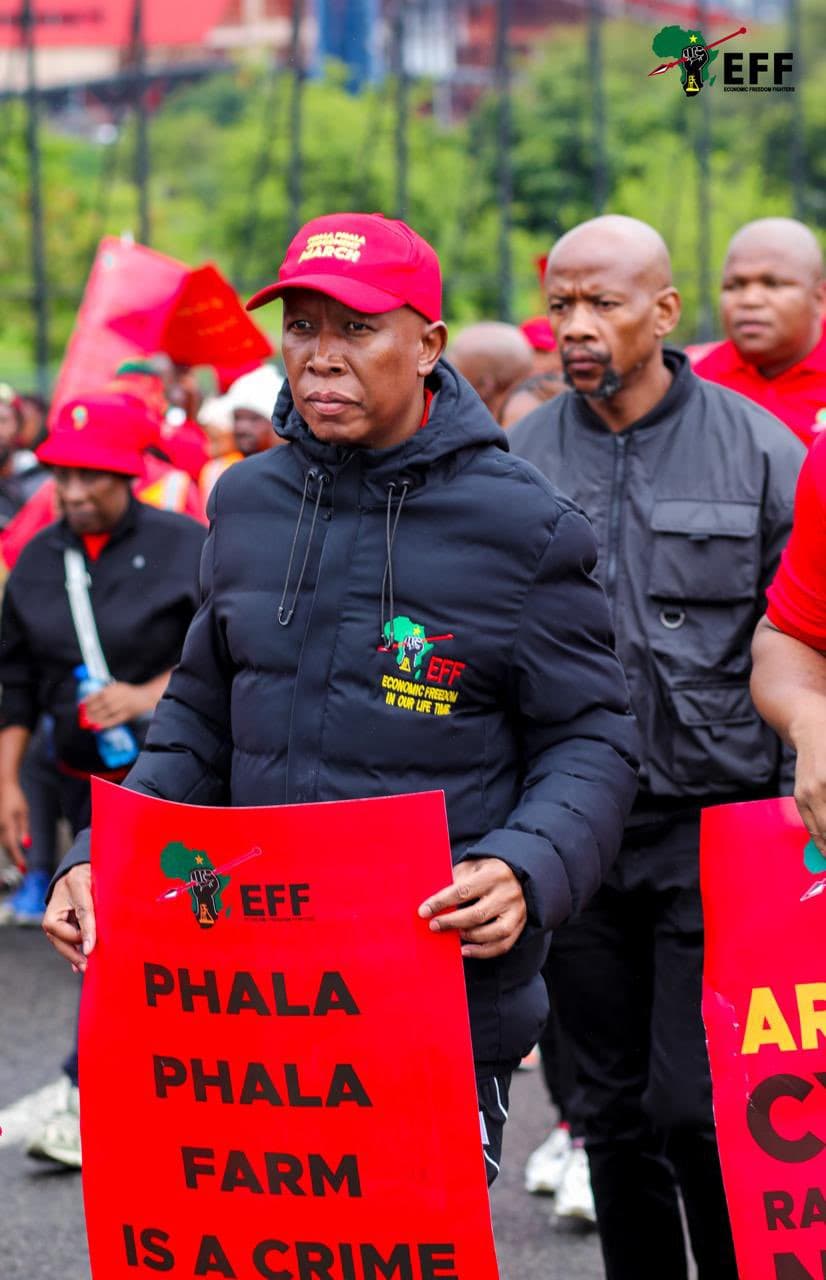
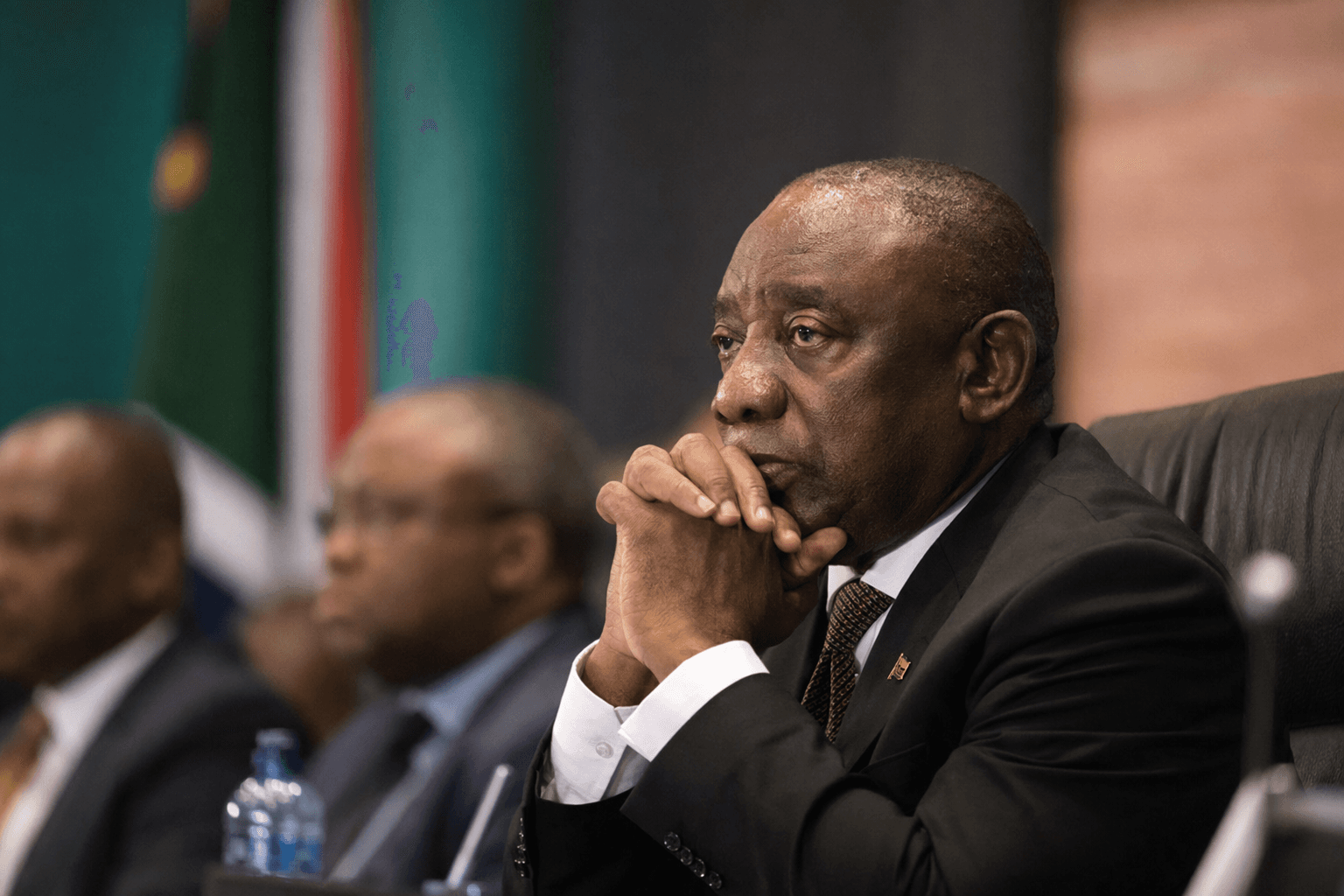
South Africa’s top court has forced Parliament back into the Phala Phala fight, ordering lawmakers to convene an impeachment committee and revisit whether President Cyril Ramaphosa should face removal scrutiny over the farm theft scandal.
The Constitutional Court of South Africa ruled on May 8, 2026, that Parliament acted unlawfully when the National Assembly blocked a Section 89 panel report in December 2022. The panel had found that Ramaphosa may have had a case to answer and recommended an impeachment inquiry, but the ANC majority helped defeat the report after it was presented to Parliament in November 2022 and debated on December 13, 2022.
The ruling does not decide whether Ramaphosa committed wrongdoing. Instead, it centers on the constitutional limits of Parliament itself, and whether lawmakers followed the rules when they shut down a process meant to test a sitting president’s fitness for office. By setting aside rule 129I of the National Assembly Rules as unconstitutional, the court reopened the door to an impeachment hearing and shifted pressure squarely onto Parliament.
The case reaches back to the 2020 theft at Ramaphosa’s private Phala Phala game farm near Bela-Bela in Limpopo, where large amounts of foreign currency were reportedly hidden in a couch and stolen. Other reporting on the matter has described the cash involved as about US$580,000, about $4 million, or roughly 10 million rand. The scandal escalated after former correctional services commissioner Arthur Fraser filed a criminal complaint in 2022, accusing Ramaphosa of covering up the theft.
The challenge was brought to the Constitutional Court by the Economic Freedom Fighters and the African Transformation Movement, with Julius Malema and Vuyo Zungula among the political figures pushing the matter forward. Opposition parties have welcomed the ruling as a win for accountability and the rule of law, while Ramaphosa remains in office. The panel’s earlier findings had already deepened the political damage, with the report citing prima facie evidence that the president broke the law in receiving foreign currency, failing to report it stolen, and enabling secret efforts to recover it.
For Ramaphosa, the decision is more than a procedural setback. It is a direct test of a presidency built on an anti-corruption message, and of whether South Africa’s institutions are prepared to press a sitting head of state through the same scrutiny that Parliament tried, and failed, to avoid.
This article was produced by Prism’s automated news system from verified source data, official records, and press releases, then run through automated quality and moderation checks before publishing. The system is built and supervised by the people who set the standards it runs under. Read our full AI policy.
Did this article answer your question?

