South Carolina Senate blocks GOP bid to redraw Clyburn district
Five Republicans joined Democrats to stop the map-draw, leaving James E. Clyburn’s district intact for now. The failure exposed the limits of a fast-moving GOP redistricting push.
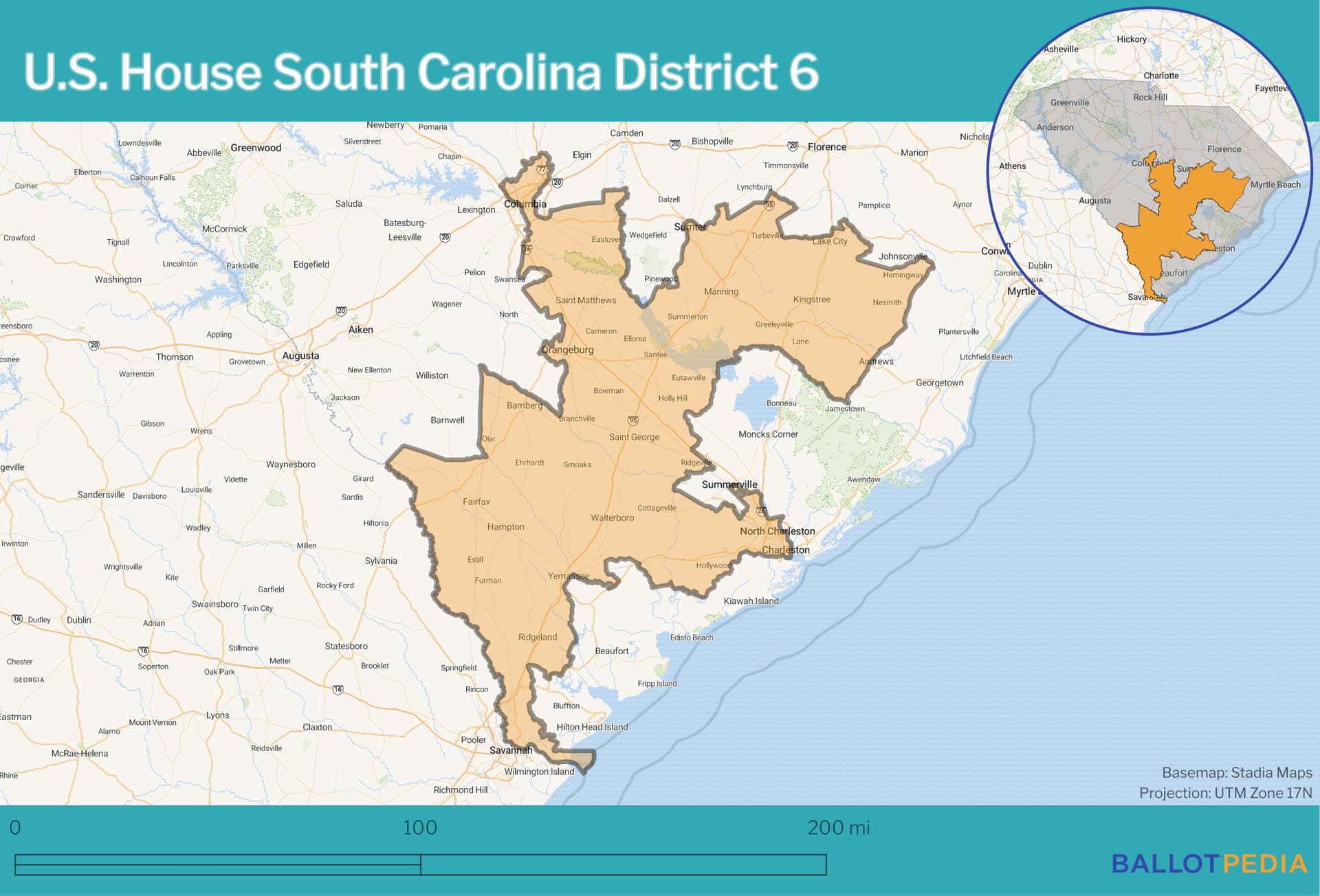
Five Republican senators broke with President Donald Trump on Tuesday and blocked a plan to carve up South Carolina’s 6th Congressional District, leaving the state’s lone Democratic U.S. House seat intact for now.
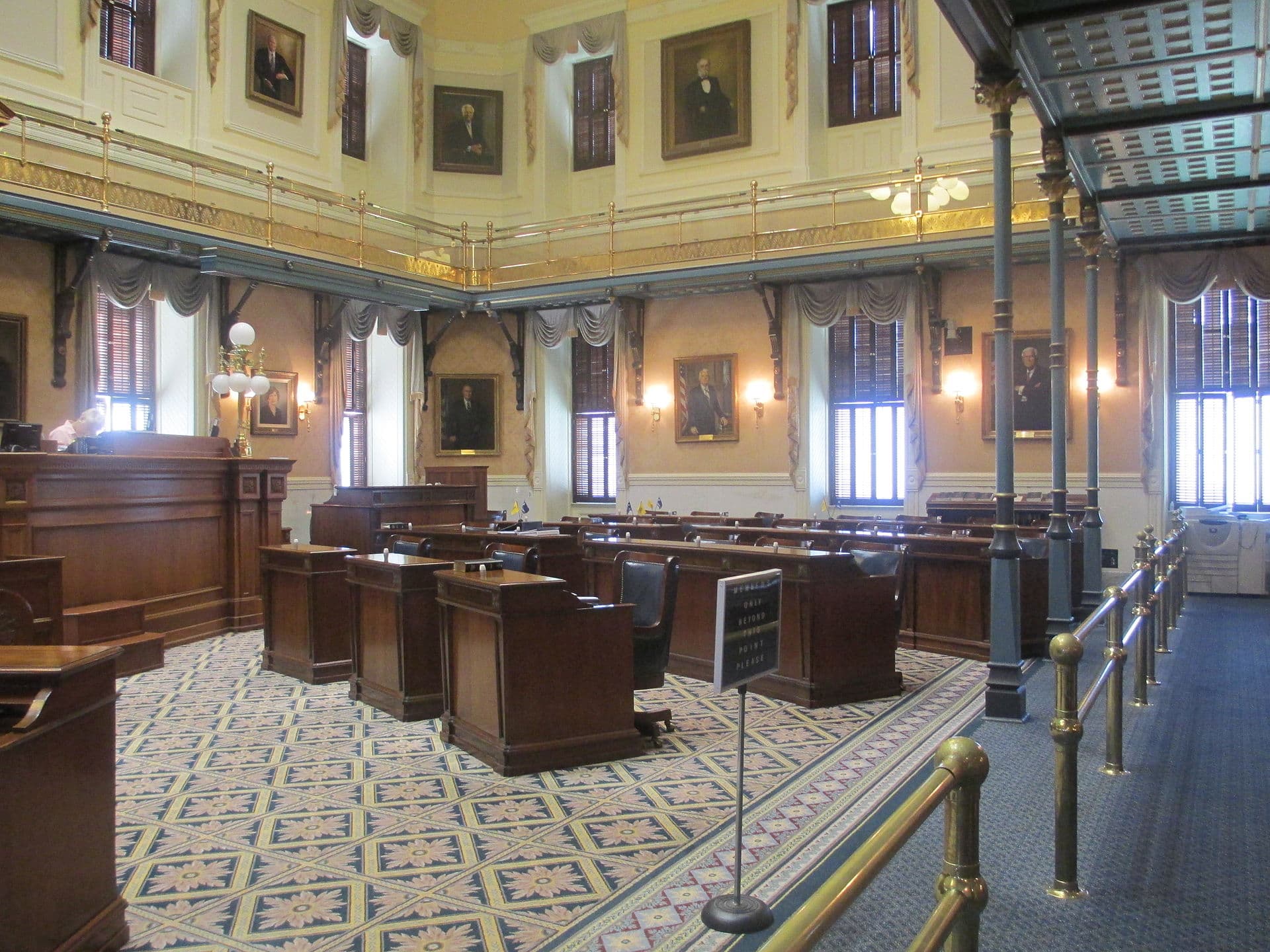
The Senate fell two votes short of the two-thirds margin needed to extend the legislative session and reopen redistricting, after the House had already approved an 87-25 sine die amendment on May 6 to bring lawmakers back after adjournment. The target was James E. Clyburn’s district, which he has represented since 1993 and which remains the Democrats’ only foothold in South Carolina’s congressional delegation.
The failed vote underscored the practical limits of a redistricting push that had been moving at breakneck speed. Republicans wanted action before South Carolina’s June 9 primaries, and supporters argued a new map could erase what they viewed as a race-based district and produce a 7-0 Republican congressional delegation. But five GOP senators, including Senate Majority Leader Shane Massey, refused to go along, denying the supermajority needed to keep the effort alive.
Trump had publicly urged senators to back the plan, writing on Truth Social that he was “watching closely,” and lawmakers said he also personally called at least one senator to press for action. Even with that pressure, the vote exposed hesitation inside a party that often favors aggressive map-drawing but recognized the risks of overreaching in a district anchored by decades of incumbency, racial politics and existing campaign filings.
The broader context was a nationwide Republican effort to revisit congressional maps after the U.S. Supreme Court’s April 29 ruling narrowed Voting Rights Act protections. South Carolina was one of several Southern states where Republicans moved quickly, alongside Tennessee, Louisiana and Alabama, hoping to take advantage of the legal opening before the election calendar locked in.
Critics argued the maneuver would have gone too far, too late. Redrawing congressional lines after candidates had already filed, they warned, could disrupt races already underway and dampen voter participation. South Carolina Democratic Party Chair Christale Spain said the plan would rig the 2026 election and undermine voters across the state.
The setback does not fully end the fight. Republican Gov. Henry McMaster could still call a special session. But for now, the Senate vote signaled that even in a deeply Republican state, racial boundaries, legal uncertainty and electoral timing can constrain the urge to redraw a map that might otherwise have been expected to move effortlessly through the legislature.
This article was produced by Prism’s automated news system from verified source data, official records, and press releases, then run through automated quality and moderation checks before publishing. The system is built and supervised by the people who set the standards it runs under. Read our full AI policy.
Did this article answer your question?

