South Korea expected to raise rates as inflation stays high
South Korea's central bank is set to lift rates to 2.75% as June inflation hit 3.2%, the highest in 2-1/2 years, keeping pressure on the won and borrowers.

South Korea's central bank is expected to raise its base rate to 2.75% on July 16, its first increase in more than three years, as inflation stayed above target and growth remained firm. A poll of 37 economists conducted from July 7 to July 13 found all but one expected the Bank of Korea to move, after June consumer inflation climbed to 3.2%, a 2-1/2-year high and the fourth straight month above the bank's 2% target.
The Bank of Korea held the base rate at 2.50% on May 28, saying inflationary pressure had increased because of the Middle East war, growth had run ahead of earlier expectations on strong exports, and financial stability risks still remained. Governor Shin Hyun-song, who took office in late April, sharpened that tone on June 12 when he said rates needed to be raised "without delay." The seven-member Monetary Policy Board, which includes the governor and senior deputy governor, now has six scheduled meetings left in 2026 after the May decision.
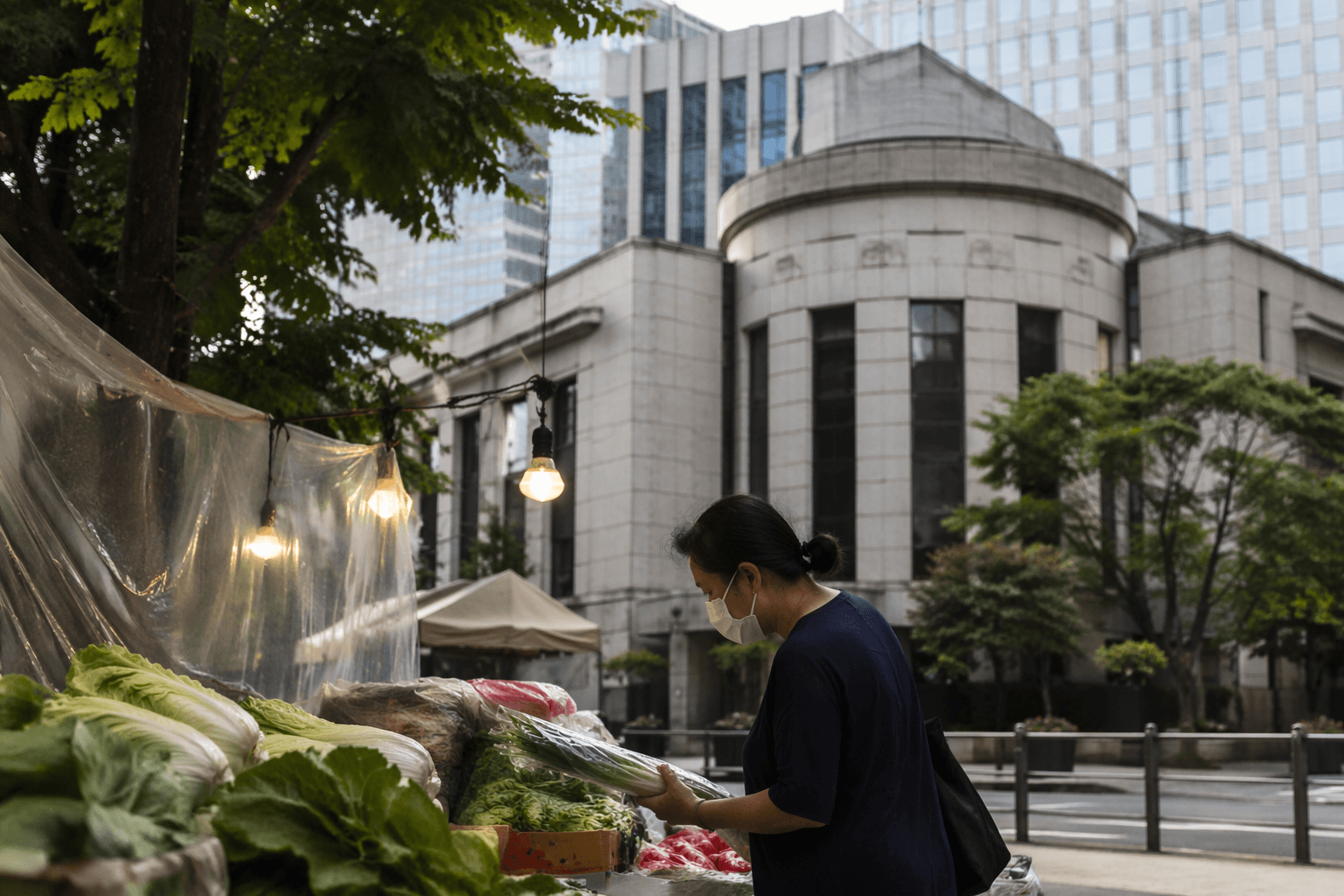
For U.S. readers, the significance extends well beyond Seoul. South Korea sits deep in global supply chains, from semiconductors to autos and industrial parts, so a tighter Bank of Korea can ripple through trade pricing, currency moves and financing conditions that affect American importers and investors. A firmer policy stance can also bolster the won after recent weakness, changing the economics for exporters and the price of goods that flow into U.S. markets.
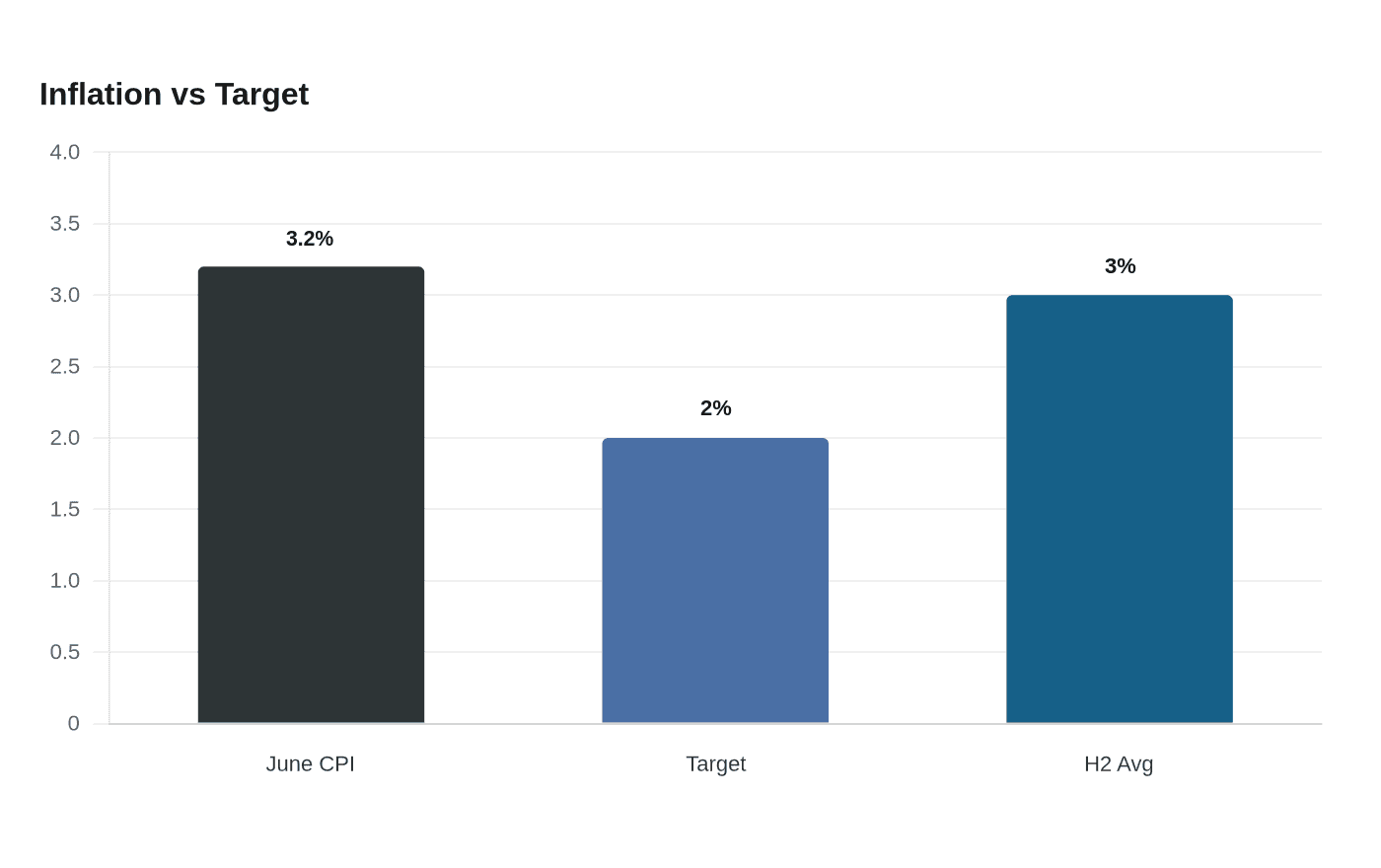
The pressure is not only external. South Korean households are still carrying elevated debt, which makes another rate increase harder to absorb even as the economy grows. Economists in the poll expect inflation to average around 3% in the second half of the year, and many see another hike later in 2026 that could take the policy rate to 3.0%, with some projecting even higher by early 2027.
The last Bank of Korea hike came in January 2023. If policymakers move again on Thursday, it would mark a shift from pause to renewed tightening just as major central banks are deciding how long they can keep rates restrictive while inflation proves stickier than hoped.
This article was produced by Prism’s automated news system from verified source data, official records, and press releases, then run through automated quality and moderation checks before publishing. The system is built and supervised by the people who set the standards it runs under. Read our full AI policy.
Did this article answer your question?