England disadvantage gap widens again, early years hit hardest
England’s disadvantage gap widened again, with the sharpest slide in early years and 40% of the age-16 gap already set by age 5.
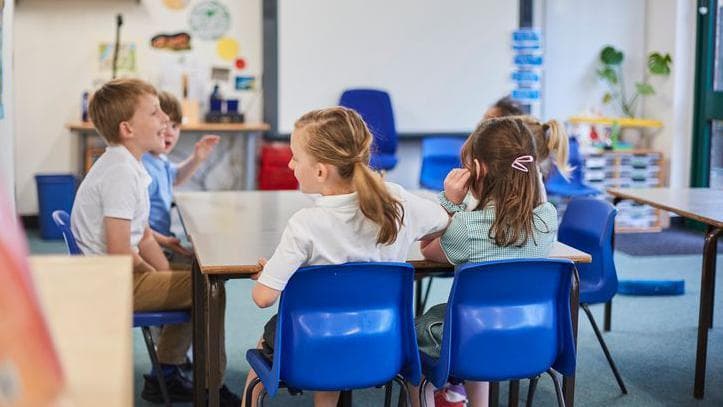
England’s disadvantage gap widened again after a brief post-pandemic recovery, with the damage now most visible in the early years. The Education Policy Institute’s latest annual report, Growing apart: the evolution of the disadvantage gap, published on 11 June 2026, tracks attainment from the Early Years Foundation Stage through Key Stage 2, Key Stage 4 and 16-19 education.
The new prime minister should confront the issue with “laser-like focus”. The gap is still larger at every phase of schooling than it was before the pandemic.
The report points to a system already under strain before Covid-19, with real-terms cuts to school and children’s services funding, rising child poverty and teacher shortages, especially in poorer areas. Previous research showed that 40% of the gap at age 16 has already emerged by age 5.
The government’s schools white paper, Every Child Achieving and Thriving, published on 23 February 2026, commits to halving the disadvantage gap and to reforming deprivation funding so background has less influence over success. Poverty, ethnicity, place and gender interact to shape outcomes, while absence, disengagement and special educational needs and disabilities remain closely linked drivers of underachievement.
In June 2025, more than half a million additional pupils were set to become eligible under expanded Universal Credit-based rules. The EPI’s October 2025 research found that eligibility is an unreliable proxy for poverty because many children who qualify are not registered, leaving schools without funding tied to disadvantage. The National Education Union has backed centralised automatic enrolment and stronger early years provision, and universal free school meals would stop children being left behind.
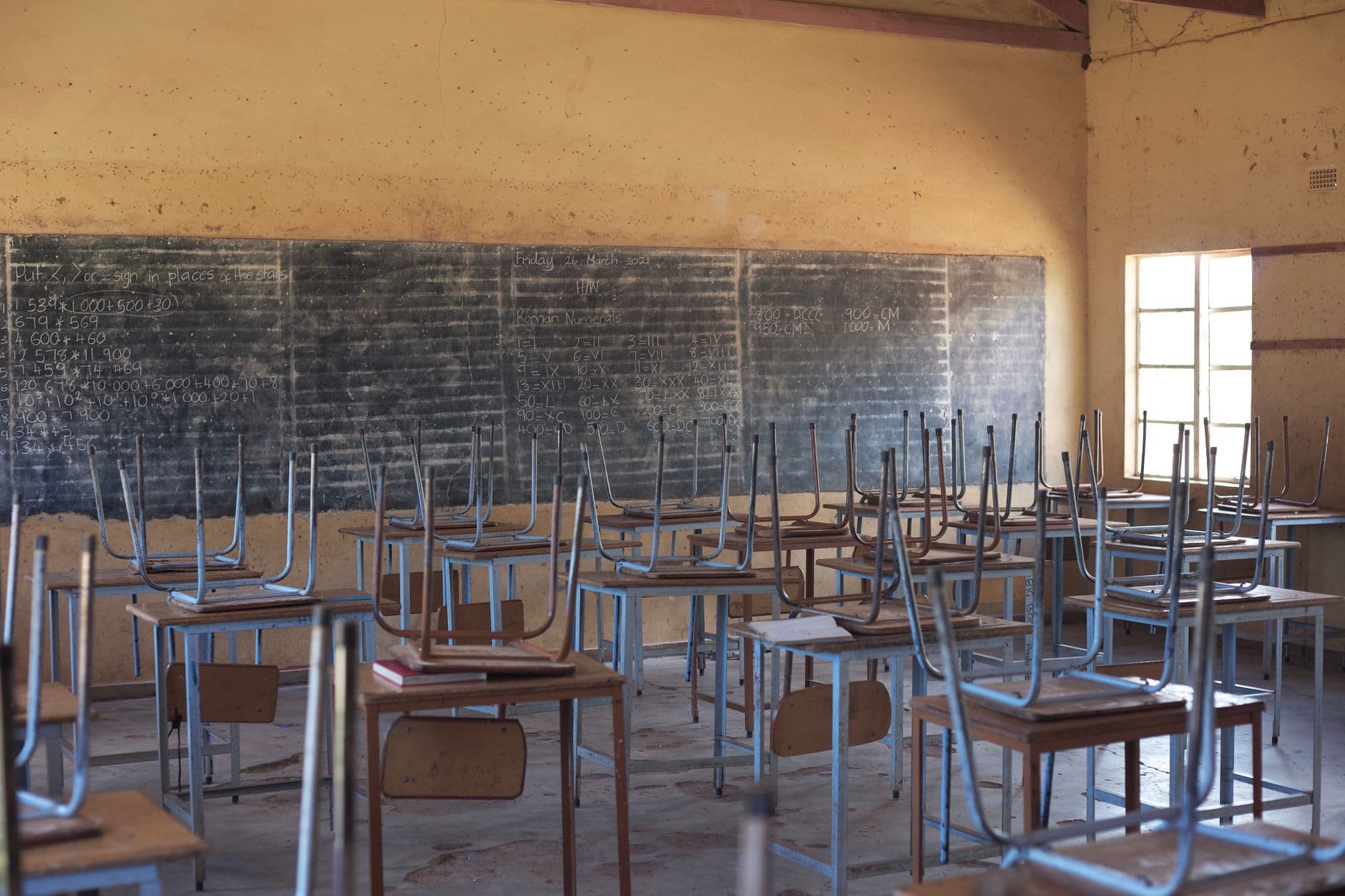
Persistently disadvantaged pupils are those eligible for free school meals for 80% or more of their time in school. Government guidance updated on 1 July 2026 sets transitional protections for benefits-based free school meals to end at the start of the 2026 to 2027 academic year.
This article was produced by Prism’s automated news system from verified source data, official records, and press releases, then run through automated quality and moderation checks before publishing. The system is built and supervised by the people who set the standards it runs under. Read our full AI policy.
Did this article answer your question?

