Trump vows to control Strait of Hormuz as U.S. strikes continue
Trump said the U.S. would "probably run" Hormuz as strikes on Iran continued, rattling a chokepoint that carries one-fifth of global oil.

The U.S. military finished a third straight night of strikes against Iran as Donald Trump said Washington would “probably run” the Strait of Hormuz and charge a 20% fee on cargo moving through it. The waterway carries about one-fifth of the world’s oil, roughly 20 million barrels a day, making any sustained disruption a direct threat to fuel prices, shipping insurance and the flow of crude into Asia and Europe.
The most immediate flashpoint came at sea. United Arab Emirates officials said two Emirati oil tankers, the Mombasa and Al Bahiyah, were struck while transiting the southern lane of the strait in Omani territorial waters. One crew member was killed and eight others were wounded. Other reporting identified the dead mariner as an Indian sailor. Iranian media also reported explosions in Bandar Abbas, Kish, Qeshm and Abu Musa, underscoring that the confrontation was moving well beyond airstrikes alone.
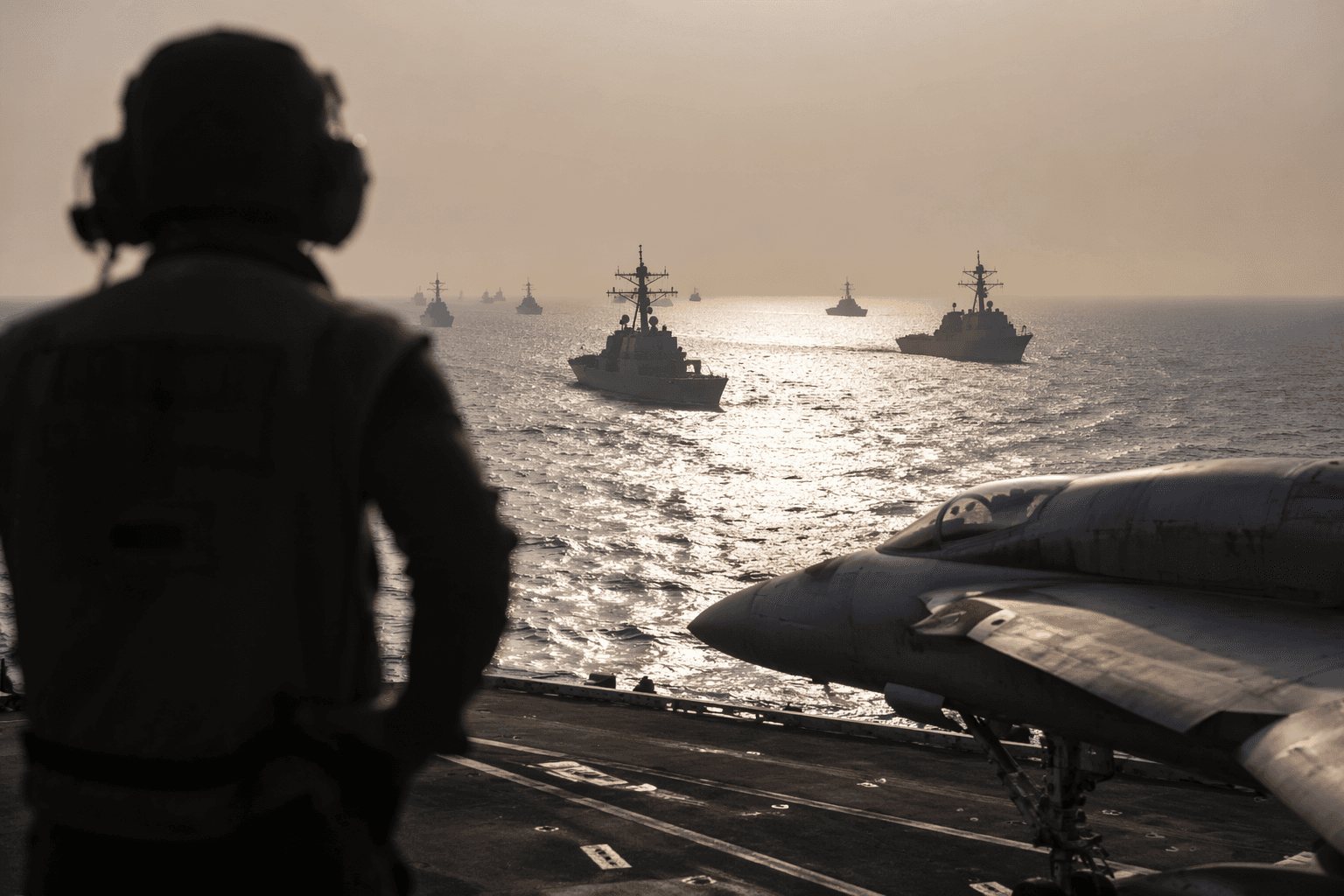
Trump framed the U.S. role in the lane in sweeping terms, calling the United States a “guardian angel” for the strait and saying it “controls” the waterway. Reuters-linked reporting said he also reinstated a blockade on Iranian shipping. The language matters because the Strait of Hormuz is traditionally open and free of charge, and the waterway at its narrowest point is split between Iranian and Omani waters. Any attempt to impose a fee or restrict passage would challenge a shipping route on which the global energy market depends.
Washington has already spent months warning that Iran could threaten the passage. In May, the State Department said Iran was threatening to close the strait, laying sea mines and trying to charge tolls. In June, the United States and the Gulf Cooperation Council said free, unconditional and unrestricted navigation through Hormuz remains essential to regional and global security. That position is now colliding with the reality of repeated strikes, tanker attacks and public threats to seize control of the route.
The wider economic shock would not stop at the strait. The U.S. Department of Energy says the Strategic Petroleum Reserve, the world’s largest emergency crude supply, was created to reduce the impact of petroleum disruptions, but a prolonged interruption through Hormuz would still raise risks for refiners and importers across the region. If attacks on shipping continue, insurers are likely to price in a higher war-risk premium, and every new strike will widen the chance that the confrontation at sea turns into a broader regional war.
This article was produced by Prism’s automated news system from verified source data, official records, and press releases, then run through automated quality and moderation checks before publishing. The system is built and supervised by the people who set the standards it runs under. Read our full AI policy.
Did this article answer your question?