India-Bangladesh border pushbacks leave families stranded, tensions rise
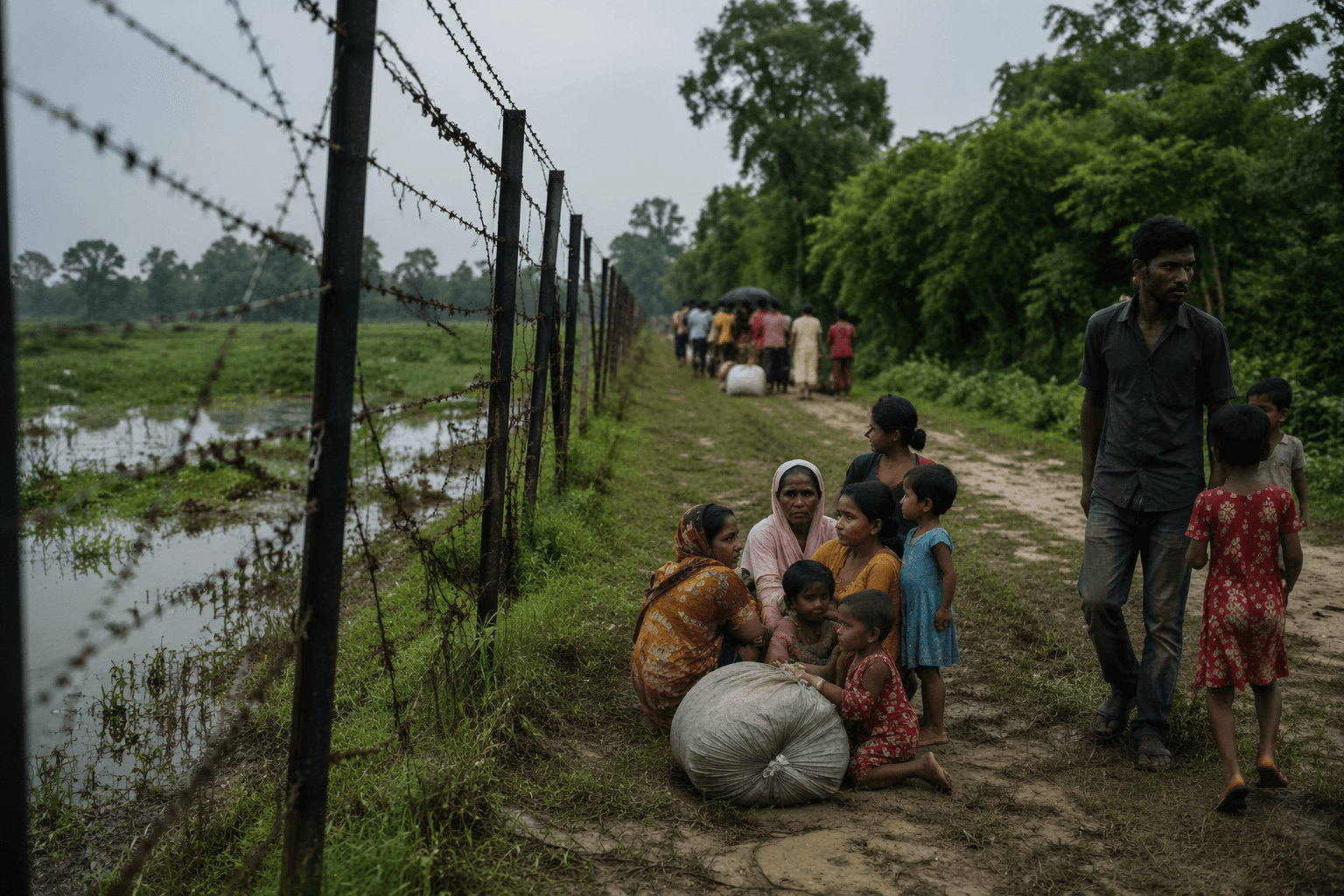
Families have been left at the zero line as India and Bangladesh trade pushbacks, with more than 200 people caught in 21 border attempts since June 1.

Human Rights Watch said Indian authorities were forcibly expelling ethnic Bengali residents, mostly Muslims from West Bengal, into Bangladesh without basic due process, while Bangladesh border guards said they had foiled 21 push attempts since June 1 involving more than 200 people, including children. In one case, HRW described a 75-hour standoff in Panchagarh on June 5 after India allegedly tried to push 10 people across the frontier, a scene that has turned the India-Bangladesh border into a corridor of stranded families, military patrols and diplomatic protest.
The dispute is straining a border that runs roughly 4,000 kilometers and is difficult to police across rivers, fields and unfenced stretches. Bangladesh has objected to what it calls Indian “push-ins,” stepped up border vigilance and warned it will act if people are forced over the line without formal repatriation procedures. Border forces from both countries have also held talks in Delhi to calm the situation, but local standoffs have continued, including in Malda district on June 21, when hundreds reportedly tried to cross from Bangladesh into India after an alleged push-back and BSF personnel stopped them in an unfenced area.
Inside India, the campaign has become part of West Bengal’s political fight over migration, identity and security. Suvendu Adhikari said the state had detained hundreds of “Bangladeshi infiltrators” and forced nearly 5,000 people to go back, while West Bengal officials said about 4,800 people had already been sent across the border and 836 remained in custody. The state government also ordered districts to set up holding centers for undocumented Bangladeshis and Rohingyas awaiting verification and deportation, tying the crackdown to the Bharatiya Janata Party’s broader “detect, delete and deport” drive.
New Delhi has framed the issue as a matter of process as well as enforcement. On May 7, the Ministry of External Affairs said repatriation of illegal Bangladeshis is a “core issue” and said 2,862 nationality-verification cases were pending with Bangladesh, some for more than five years. Indian officials argue that deportations must follow established bilateral procedures and cooperation from Dhaka, even as Bangladesh says the current practice bypasses those channels and leaves people in limbo at the border.
The confrontation is feeding a wider chill in India-Bangladesh relations that has deepened since Bangladesh’s political upheaval in 2024 and the rise of a new government in 2026. Rights groups say the pushback campaign risks sweeping up Indian citizens and long-term residents without due process, while supporters in India cast it as a national-security response to illegal immigration and demographic change.
This article was produced by Prism’s automated news system from verified source data, official records, and press releases, then run through automated quality and moderation checks before publishing. The system is built and supervised by the people who set the standards it runs under. Read our full AI policy.
Did this article answer your question?