North Korea braces for Typhoon Bavi as Kim urges maximum vigilance
North Korea warned of heavy rain and strong winds as Bavi approached, with Kim Jong-un ordering "maximum vigilance" over floods, crops and weak infrastructure.
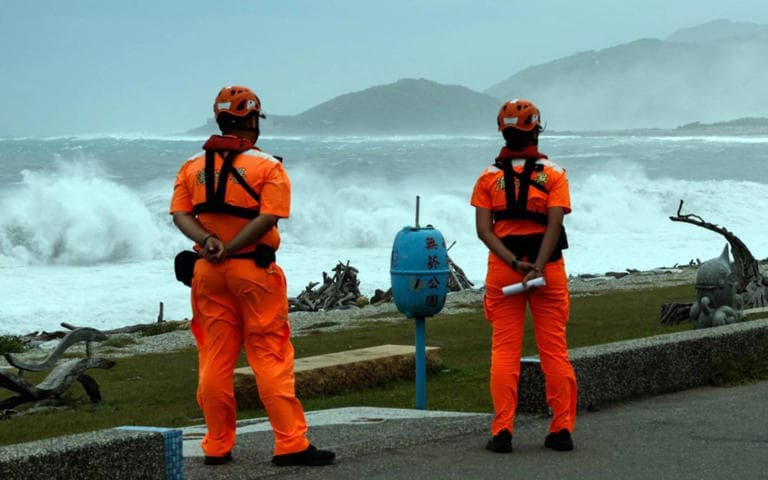
North Korea warned of heavy rain and strong winds as Typhoon Bavi approached, while Kim Jong-un urged officials and workers to stay on "maximum vigilance" to limit damage. The forecast still called for substantial rainfall in central North Korea and the north, along with strong winds along the west coast and inland areas, even as state media said the storm would weaken into a low-pressure system after moving in from the Yellow Sea.
International tracking showed why the threat remained serious. The Japan Meteorological Agency said Bavi had reached peak 10-minute sustained winds of about 155 km/h, or 100 mph, and a lowest pressure of about 950 hPa before landfall. GDACS said Tropical Cyclone Bavi came ashore over the coast of North Pyongan Province with maximum sustained winds of about 100 to 120 km/h. Bavi made landfall in North Korea on Aug. 27, 2020, after skirting the South Korean coast overnight, dumping heavy rain and uprooting trees.
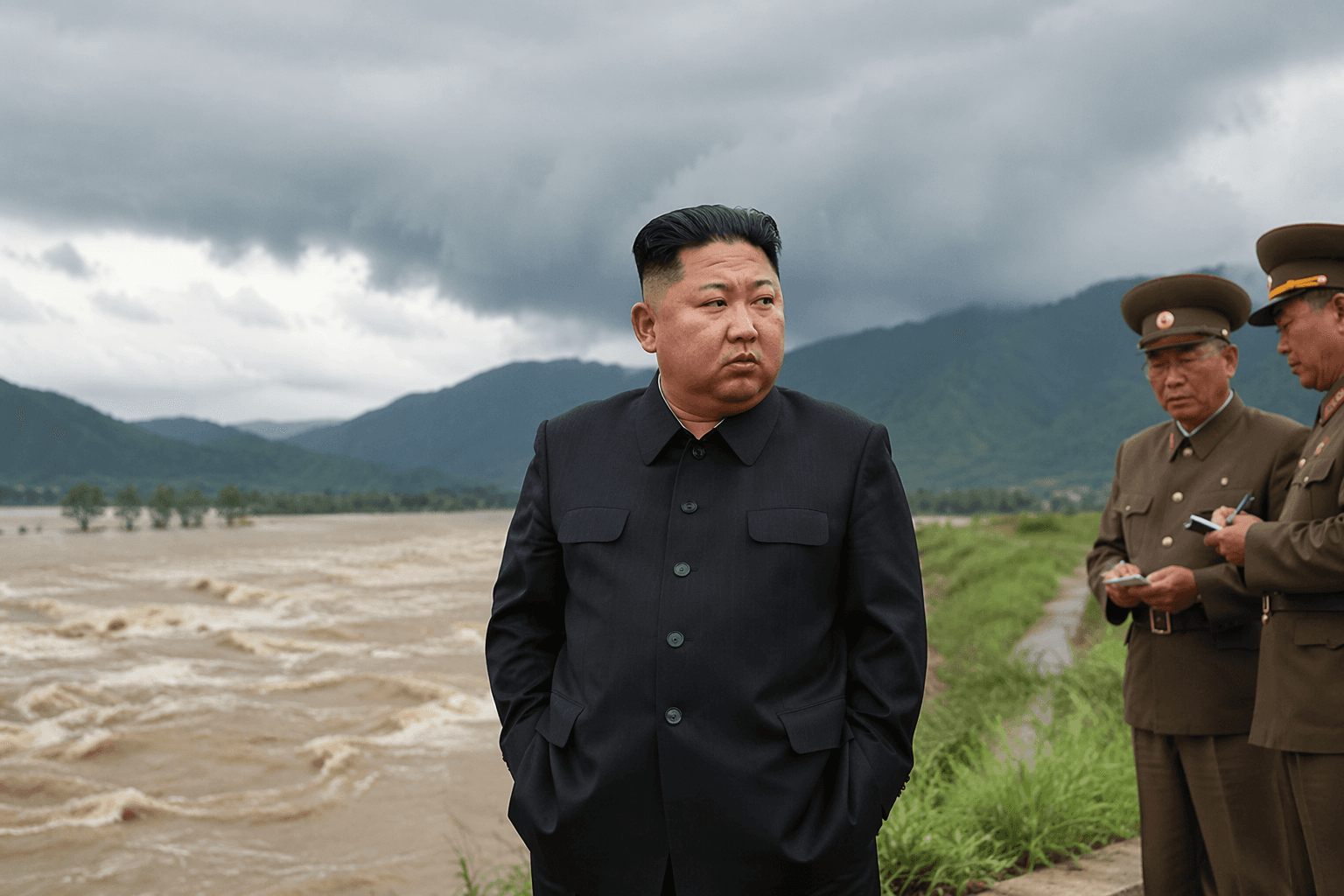
Kim later described the damage as minimal and visited South Hwanghae Province to inspect crop losses, but state media images showed broken trees and inundated streets in Hwanghae Province. The storm’s path over North Pyongan, North Hwanghae and South Hwanghae underscored the agricultural stakes of even a weakening typhoon in a country where farming and fishing communities sit close to flood-prone rivers and exposed coastal areas.
The warning landed in a country with chronic power shortages, weak infrastructure and limited capacity to move food, people and repair crews quickly when extreme weather strikes. North Korea’s isolation and scarce resources make evacuation, emergency food distribution and rebuilding far harder than in neighboring states, and the 2024 flood season showed how fast a weather event can turn into a humanitarian crisis. More than 40,000 people were evacuated in North Pyongan Province and nearby areas, and more than 4,200 people were airlifted from Sinuiju city and Uiju town with about 10 military helicopters and boats mobilized. In August 2024, Vladimir Putin offered humanitarian aid after flood damage, and the Food and Agriculture Organization warned that severe flooding could reduce crop output and increase pest infestations.
The broader climate backdrop has only sharpened the risk. The World Meteorological Organization has said Asia is warming at about twice the global average, that 2024 was one of the warmest years on record, and that the warming trend from 1991 to 2024 was nearly double the pace seen from 1961 to 1990. In North Korea, that means a weakening typhoon can still bring landslides, river flooding and crop damage severe enough to strain local authorities long after the wind passes.
This article was produced by Prism’s automated news system from verified source data, official records, and press releases, then run through automated quality and moderation checks before publishing. The system is built and supervised by the people who set the standards it runs under. Read our full AI policy.
Did this article answer your question?

